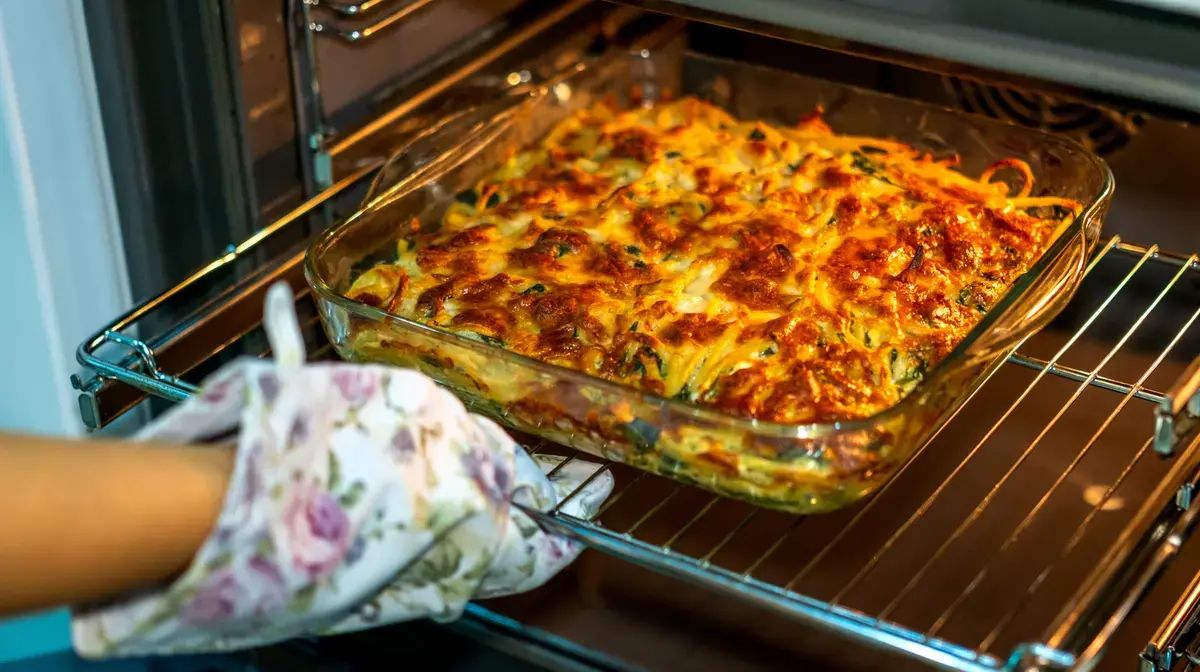
Avoid These Common Casserole Additions If You Want a Dry, Flavor‑Rich Dish
Ingredients That Release Too Much Moisture
Home cooks across the United States are discovering that a few everyday ingredients can turn a hearty casserole into a watery disappointment. The trend emerged in kitchens from suburban kitchens to college dorms during the spring of 2026, as chefs and food bloggers share tips for keeping baked dishes firm and flavorful.
Latest news
 The Ultimate Homemade Chili Recipe for Cold Weather
 The Nutritional Power of Pumpkin Beyond Seasonal Desserts
 A Culinary Journey Through the 30th Epcot International Food and Wine Festival
 Burger King Unleashes Hello Kitty Kids' Meal with Ultra-Rare Golden Collectible
Most casserole recipes call for a mix of proteins, starches, vegetables, and sauce. When certain moisture‑laden components are added without adjustment, the dish can end up sloshing on the plate. The problem is not the ingredients themselves but the way they release liquid during the long bake. Understanding which items to limit, and how to compensate, can save a meal from becoming a soggy mess.
Tomatoes, zucchini, and frozen peas are among the top culprits. A study by the Culinary Institute of America found that raw zucchini can release up to 90 percent of its weight as water when heated. „Even a modest amount of fresh zucchini can flood a casserole,” said chef Lina Patel, who teaches at the institute.
Canned soups and broth also pose a risk. Many home cooks add a can of condensed soup for convenience, assuming the thickened sauce will hold the dish together. In reality, the soup often thins out as it heats, especially if the casserole sits uncovered for the final minutes. „A single can of soup can add a cup of liquid,” Patel noted, „which is enough to change the texture dramatically.”
Can You Still Use These Items Without the Soup?
Yes, but preparation matters. Draining and patting zucchini slices dry before layering them can cut moisture loss by half. For tomatoes, removing seeds and excess juice creates a richer flavor without the added water.
When a recipe calls for frozen peas, a quick blanch in boiling water followed by an ice bath helps lock in their natural sugars while reducing the water they would otherwise release. „The key is to treat high‑water vegetables as you would any other ingredient that could over‑hydrate the dish,” Patel explained.
If a sauce is essential, thicken it with a roux or a small amount of cornstarch before mixing it in. This creates a barrier that holds the sauce in place during baking. Many chefs also recommend covering the casserole with foil for the first half of cooking, then uncovering it to allow excess steam to escape.
The payoff for these adjustments is a casserole that holds its shape, delivers a satisfying bite, and showcases each component’s flavor. Home cooks report that dishes prepared with these techniques receive higher ratings from family members and guests.
Frequently Asked Questions
Looking ahead, culinary educators anticipate that more cooking tutorials will highlight moisture control as a core skill. As the trend spreads, the average home‑cooked casserole may become firmer, richer, and less prone to the dreaded watery bottom.
What vegetables should I avoid in a casserole? Root vegetables like carrots are fine, but high‑water produce such as zucchini, tomatoes, and bell peppers should be pre‑drained or lightly sautéed to reduce excess liquid.
Is it safe to use canned soup if I want a thicker sauce? Yes, but first thin the soup with a little broth, then simmer it with a thickening agent like flour or cornstarch before adding it to the casserole.
How can I tell if my casserole is too watery before baking? A quick test is to press a spoon into the uncooked mixture; if it releases a lot of liquid, the dish likely needs additional thickening or moisture removal.
Content written by Lucas Carter for fancy-meals.com editorial team, AI-assisted.