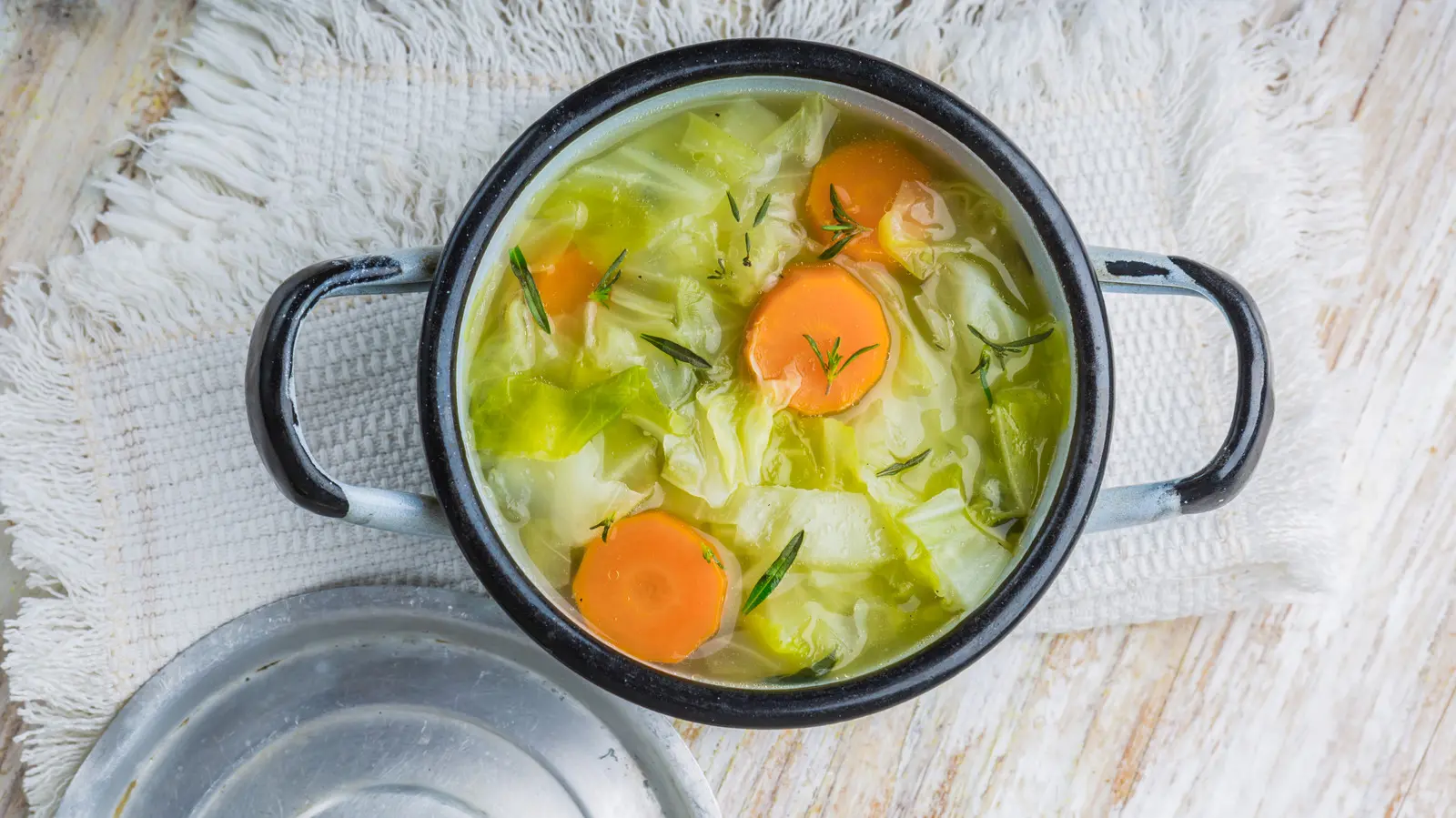
A Splash Of Soy Sauce Elevates Simple Cabbage Soup
Why Fermented Flavors Work Best in Vegetable Soups
Adding a dash of soy sauce transforms basic cabbage soup into a richer, more satisfying meal with minimal effort. This pantry staple enhances flavor without complicating preparation, making it ideal for quick weeknight dinners. The technique works with any cabbage soup recipe, whether homemade or from a mix, and requires only a small amount to make a noticeable difference.
Latest news
 The Ultimate Homemade Chili Recipe for Cold Weather
 The Nutritional Power of Pumpkin Beyond Seasonal Desserts
 A Culinary Journey Through the 30th Epcot International Food and Wine Festival
 Burger King Unleashes Hello Kitty Kids' Meal with Ultra-Rare Golden Collectible
Soy sauce contributes salty, savory, and umami notes that deepen the soup’s taste profile. Unlike salt alone, it adds complexity through fermented soybean flavors that complement the natural sweetness of cabbage and other vegetables. A tablespoon or less is typically sufficient, allowing cooks to adjust to taste without overpowering the dish. This simple addition turns an ordinary vegetable soup into something more restaurant-worthy while keeping costs low and preparation time short.
How Much Should You Really Add?
The fermentation process in soy sauce creates glutamates that trigger umami receptors on the tongue, creating a sensation of richness. This effect is especially valuable in vegetable-based soups that lack meat or dairy for depth. Culinary experts note that umami balances bitter notes sometimes present in cruciferous vegetables like cabbage. The liquid also integrates smoothly into broths without altering texture, unlike thicker sauces that might make soup feel heavy.
Start with half a tablespoon per four servings and taste before adding more. Soy sauce varies in saltiness between brands, so incremental addition prevents over-salting. Remember that flavors concentrate as soup simmers, so it’s easier to add than to fix excess. For those watching sodium, low-sodium soy sauce offers the same flavor benefits with reduced salt content. A final splash just before serving can brighten the dish if flavors have dulled during cooking.
Will soy sauce make my cabbage soup taste Asian? Not necessarily. While soy sauce originates from Asian cuisine, using it in small amounts adds savory depth without imparting distinct soy or Asian flavors. It functions more like a flavor enhancer than a dominant ingredient, similar to how anchovy paste works in Caesar dressing.
Frequently Asked Questions
Can I use other sauces instead? Worcestershire sauce or fish sauce provide similar umami boosts but bring their own distinct flavors. Soy sauce remains the most neutral option for enhancing vegetable soups without altering their fundamental character. Miso paste dissolved in broth is another alternative, though it requires more preparation.
Does this work with other vegetable soups? Yes, the technique applies to soups featuring carrots, celery, onions, or tomatoes. Any vegetable broth benefits from umami enrichment, particularly those that might taste flat or one-dimensional. Heartier soups like lentil or minestrone also gain complexity from a touch of soy sauce.
Content written by Henry Cross for fancy-meals.com editorial team, AI-assisted.