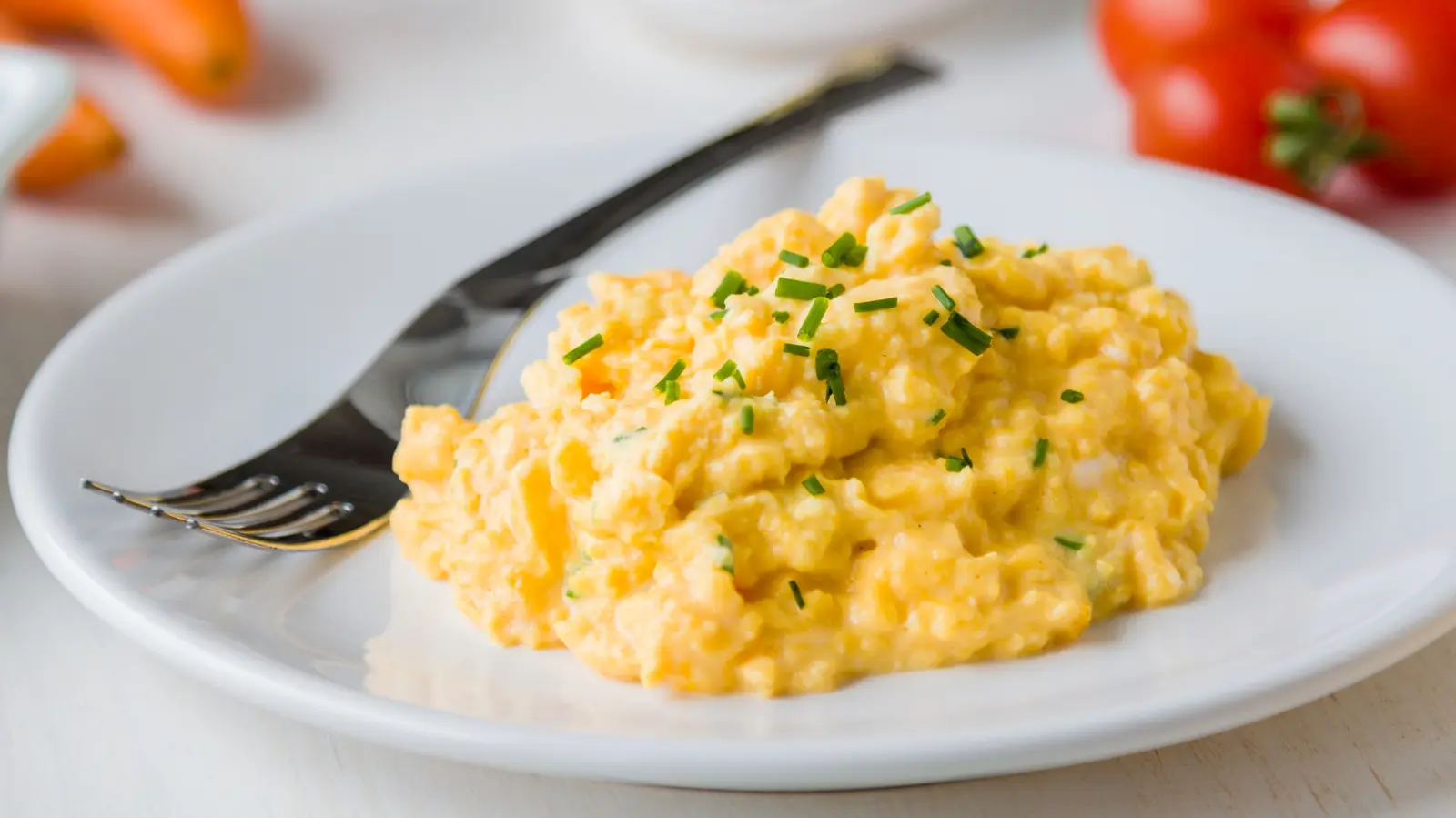
A single splash of high-fat cream transforms ordinary scrambled eggs into a luxurious dish
Why Fat Changes the Texture
Home cooks often struggle to replicate the silky texture found in professional kitchens. A new culinary tip suggests that adding heavy cream is the key difference. This simple adjustment creates a richer, fluffier result without complex techniques. The method works for any skill level. It turns a basic breakfast item into a gourmet experience instantly.
Latest news
 The Ultimate Homemade Chili Recipe for Cold Weather
 The Nutritional Power of Pumpkin Beyond Seasonal Desserts
 A Culinary Journey Through the 30th Epcot International Food and Wine Festival
 Burger King Unleashes Hello Kitty Kids' Meal with Ultra-Rare Golden Collectible
The secret lies in the fat content. Standard recipes rely on milk or water, which yield a drier product. Heavy cream introduces a higher concentration of butterfat. This fat coats the protein strands during cooking. As a result, the curds remain soft and tender. Chefs have long used this technique to achieve a custard-like consistency. The added richness mimics the mouthfeel of restaurant-prepared dishes. It requires no special equipment or rare ingredients. Just a small amount of cream makes a significant impact on flavor and texture.
Understanding the science behind this trick explains its effectiveness. When eggs cook, proteins coagulate and form a solid structure. Adding liquid slows this process down slightly. However, fat does something different. It lubricates the forming egg matrix. This prevents the proteins from binding too tightly together. The final product stays moist rather than becoming rubbery. Many home cooks skip the cream because they fear making the eggs too greasy. In reality, the fat integrates smoothly into the curds. It enhances the natural yolk flavor rather than masking it. This balance creates depth that plain eggs lack.
Is Cream Better Than Butter?
Many people assume butter is the superior additive. While butter adds flavor, it does not change the structural integrity as effectively. Butter melts quickly and can sometimes cause sticking. Cream stays suspended in the mixture longer. It provides a consistent coating throughout the pan. Some chefs recommend combining both for maximum effect. A pat of butter for searing and cream for tenderness. This dual approach ensures a golden exterior and a soft interior. The choice depends on personal preference for richness. Both methods outperform using only water or milk.
The shift toward simpler, high-quality ingredients continues to grow. Home diners seek ways to improve everyday meals without extensive effort. This cream-based technique fits that trend perfectly. It offers immediate gratification with minimal cost. As food enthusiasts share tips online, such hacks gain wider popularity. Restaurants may continue to guard their specific ratios, but the core principle remains accessible. Future breakfast menus might highlight this technique more prominently. For now, the kitchen is the best place to test this transformation. The result is a plate of eggs that feels indulgent yet easy to prepare.
Frequently Asked Questions
How much cream should I use per egg? Use approximately one tablespoon of heavy cream for every two eggs. This ratio ensures enough fat to coat the proteins without overwhelming the dish. Adjust based on your preferred level of richness.
Can I substitute half-and-half instead? Yes, half-and-half works well if you prefer a lighter texture. It contains less fat than heavy cream but still improves tenderness compared to water. The result will be slightly less rich but still superior to standard methods.
Does this work with non-stick pans? Absolutely, the technique works in any skillet. Non-stick surfaces help prevent sticking while the cream integrates. Use low heat to ensure the cream does not scorch before the eggs set.
Content written by Isabelle Fontaine for fancy-meals.com editorial team, AI-assisted.