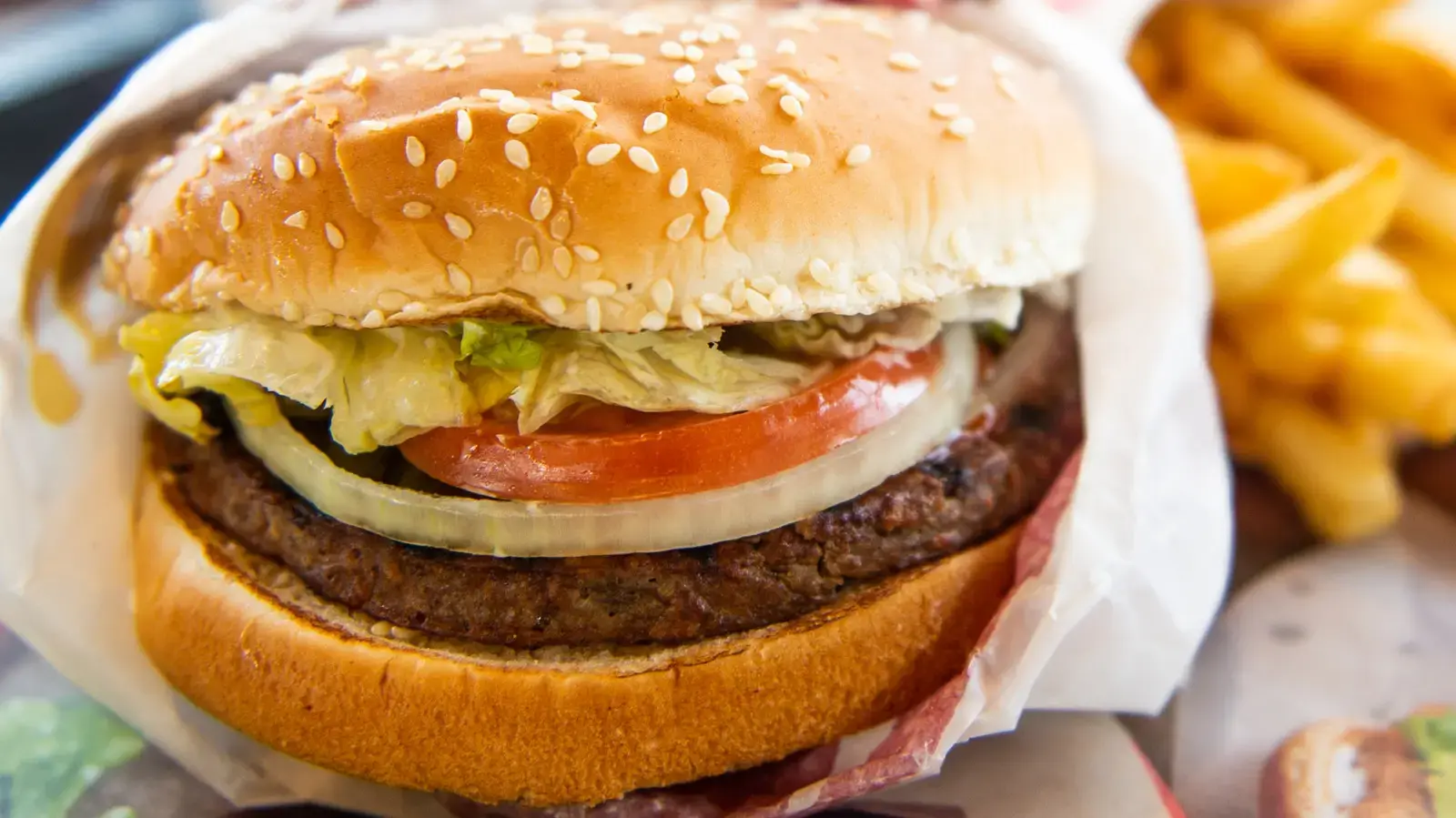
Whopper or Quarter Pounder: The Healthier Fast Food Choice
Nutritional Breakdown and Caloric Differences
Burger King’s Whopper and McDonald’s Quarter Pounder with Cheese represent the ultimate fast food face-off. While these iconic sandwiches appear nearly identical to the casual observer, significant differences exist beneath the surface. Consumers often assume they are eating similar products, yet the nutritional profiles diverge sharply. This comparison helps diners make informed decisions about their caloric intake and overall health. Understanding these distinctions is crucial for those managing their diets while enjoying popular chain meals.
Latest news
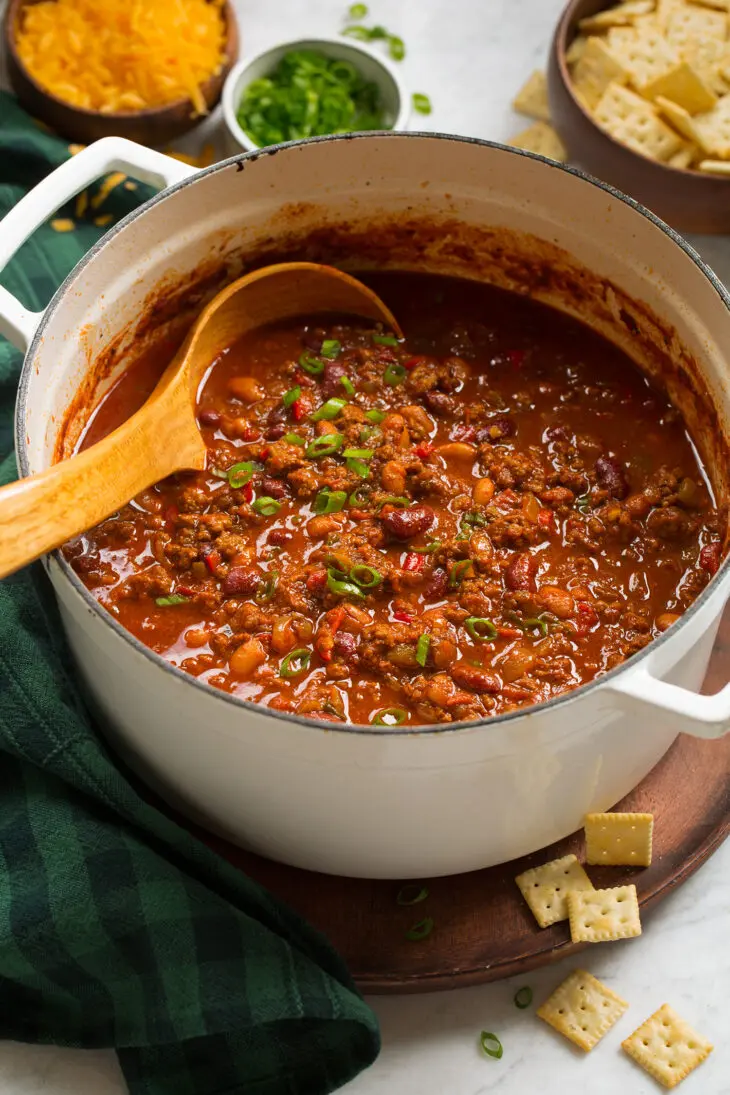 The Ultimate Homemade Chili Recipe for Cold Weather
 The Nutritional Power of Pumpkin Beyond Seasonal Desserts
 A Culinary Journey Through the 30th Epcot International Food and Wine Festival
 Burger King Unleashes Hello Kitty Kids' Meal with Ultra-Rare Golden Collectible
The visual similarity between the two burgers masks distinct variations in ingredients and preparation methods. Both feature a beef patty, lettuce, tomato, onion, pickles, and condiments. However, the specific ratios and cooking techniques differ. Burger King emphasizes flame-grilling its patties, which some argue reduces fat content compared to gas grills. McDonald’s uses a different process that affects the texture and moisture retention of the meat. These subtle production choices influence the final nutritional breakdown significantly.
Which Burger Fits Your Dietary Goals?
When analyzing the macronutrients, the Whopper generally contains more calories than the Quarter Pounder with Cheese. A standard Whopper typically offers around 540 calories, while the Quarter Pounder sits slightly lower. The protein content remains high in both options, providing a substantial amount per serving. Fat levels vary, with the Whopper often containing more total fat due to its larger patty size. Carbohydrate counts are relatively similar, driven primarily by the buns and toppings. Sodium levels are notably high in both sandwiches, exceeding daily recommended limits for many individuals.
Dietitians suggest that neither burger is inherently healthyin the traditional sense. They are both processed foods with added sugars in the sauces. The Whopper includes a thicker spread of mayonnaise and ketchup, adding extra sugar and fat. The Quarter Pounder relies heavily on cheese, increasing saturated fat levels. For those watching their weight, the Quarter Pounder might offer a slight edge in calorie control. However, the Whopper provides more volume, which can lead to greater satiety. Personal dietary goals should dictate the choice rather than a blanket rule.
Choosing between these two giants depends on individual health priorities. If protein intake is the primary goal, both options serve well. For those limiting sodium, neither is ideal without modifications. Removing condiments can drastically reduce sugar and salt intake. Swapping the bun for a lettuce wrap is another common strategy to cut carbs. The flame-grilled aspect of the Whopper appeals to those who prefer less greasy textures. Conversely, the Quarter Pounder’s consistency appeals to fans of softer, juicier patties. There is no single winner; the best choice aligns with personal nutritional targets.
Frequently Asked Questions
Is the Whopper healthier because it is flame-grilled? Flame-grilling does not automatically make the Whopper healthier. It changes the flavor profile and may reduce some grease, but the total calorie and fat count remains high. The cooking method alone does not offset the added condiments and large patty size.
Can I make either burger healthier by removing toppings? Yes, removing cheese, pickles, and sauces significantly lowers the calorie and sodium count. This modification allows you to focus on the protein and vegetables. It is one of the easiest ways to improve the nutritional value of a fast food meal.
Content written by Henry Cross for fancy-meals.com editorial team, AI-assisted.