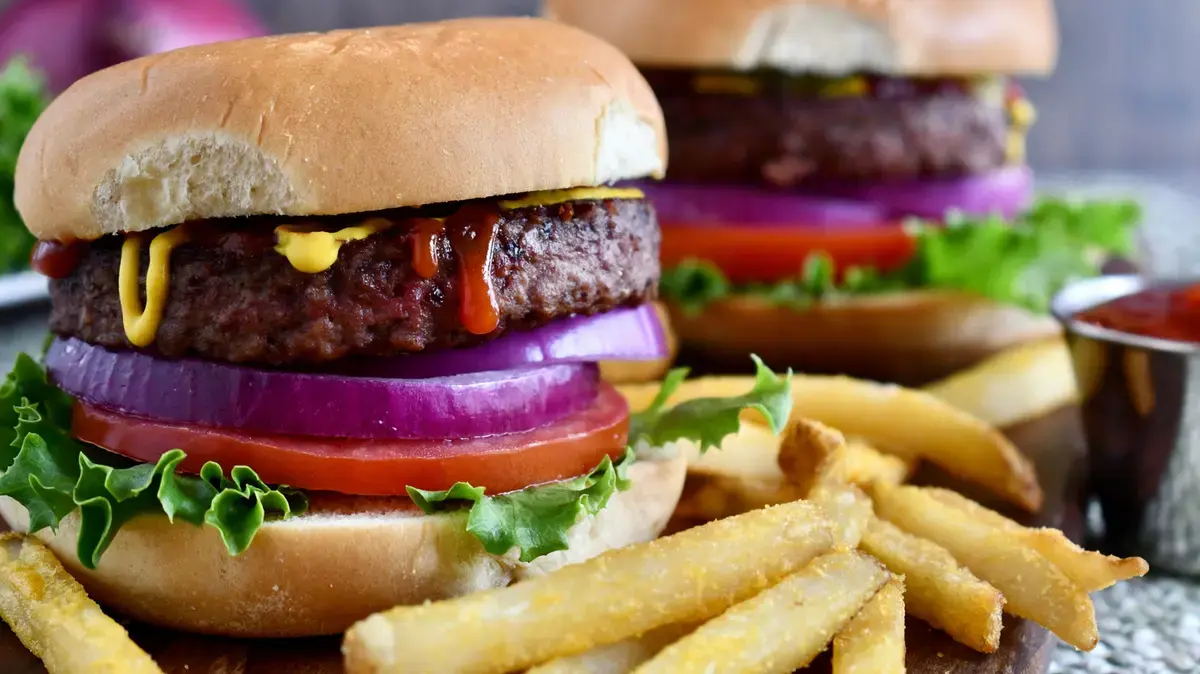
The Hidden Ingredients in Plant-Based Fast Food Burgers
Navigating Shared Kitchen Environments
Plant-based diners seeking quick meals often face unexpected hurdles when ordering meat-free burgers at major fast-food chains. While the Impossible Burger has gained popularity since 2016 for mimicking the taste of beef, consumers frequently assume these patties are strictly vegan. However, preparation methods and shared cooking surfaces often complicate these dietary choices.
Latest news
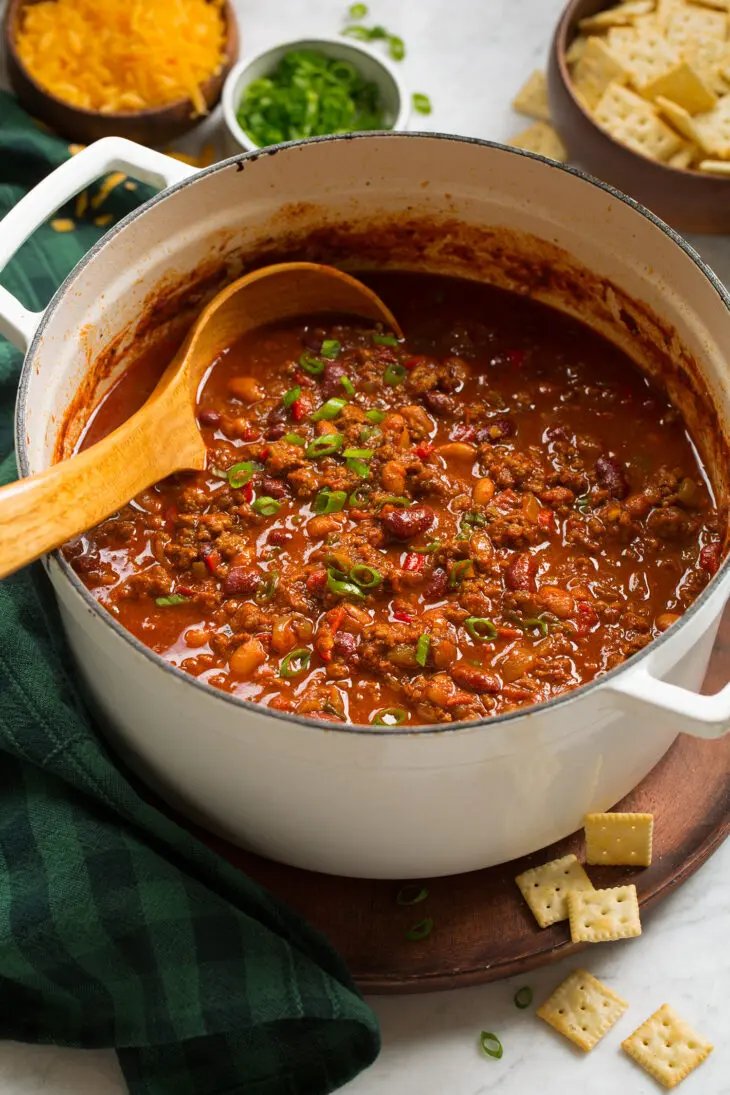 The Ultimate Homemade Chili Recipe for Cold Weather
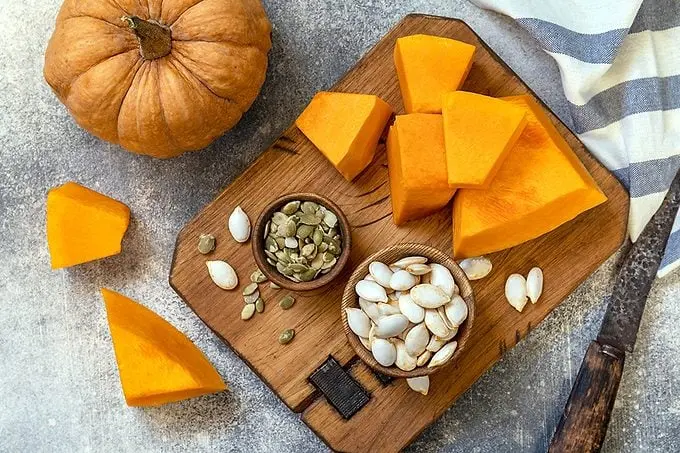 The Nutritional Power of Pumpkin Beyond Seasonal Desserts
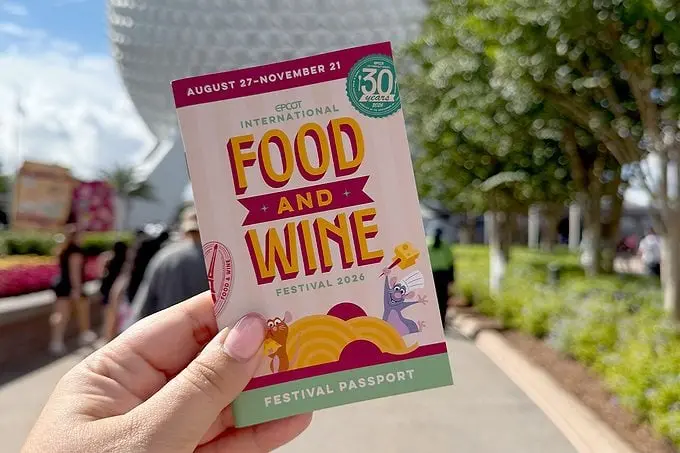 A Culinary Journey Through the 30th Epcot International Food and Wine Festival
 Burger King Unleashes Hello Kitty Kids' Meal with Ultra-Rare Golden Collectible
Many fast-food establishments cook plant-based patties on the same grills used for traditional beef products. This practice leads to cross-contamination, meaning a meat-free burger may come into contact with animal fats. Furthermore, some chains include non-vegan toppings like dairy-based cheese or mayonnaise by default. Customers must explicitly request modifications to ensure their meal remains entirely free of animal products.
The primary challenge lies in the operational logistics of high-volume kitchens. Most quick-service restaurants prioritize speed and efficiency, which rarely allows for dedicated equipment for vegetarian items. Even if a patty is made from plants, the cooking surface often retains residue from animal proteins. For strict vegans, this reality often disqualifies these menu items as truly plant-based.
Are Plant-Based Options Truly Animal-Free?
Beyond the grill, the assembly process requires careful attention. Standard burger builds often feature ingredients derived from animal sources. Without specific instructions, a plant-based patty is frequently served on a bun that may contain dairy or egg, paired with non-vegan condiments. Diners are encouraged to verify ingredient lists and preparation protocols directly with staff before ordering.
The distinction between „meat-freeand ”veganis critical for those avoiding animal products. A patty containing no meat is not automatically vegan if it is processed with animal-derived additives or cooked alongside beef. Manufacturers focus on flavor and texture, but they do not always prioritize the strict requirements of vegan certification. Consumers must weigh their personal comfort levels regarding cross-contact in fast-paced environments.
As demand for meat alternatives grows, transparency remains a significant issue for the industry. While these burgers offer a sustainable alternative to traditional beef, they are not a one-size-fits-all solution for vegan diets. Future menu developments may eventually include separate cooking zones, but for now, caution is necessary. Diners should remain informed about how their food is prepared to avoid accidental consumption of animal ingredients.
Frequently Asked Questions
Can vegans safely eat plant-based burgers at fast-food restaurants? Not necessarily. While the patty itself is plant-based, shared cooking surfaces and non-vegan toppings often make these items unsuitable for strict vegans.
Why do fast-food chains cook plant-based patties on the same grills as beef? Most restaurants prioritize efficiency and lack the space or equipment to maintain separate cooking areas for different types of food.
How can I ensure my burger is truly vegan? Ask staff if the patty can be cooked in a separate pan or microwave. Always specify no cheese or mayonnaise and confirm the bun is vegan-friendly.
Content written by Isabelle Fontaine for fancy-meals.com editorial team, AI-assisted.