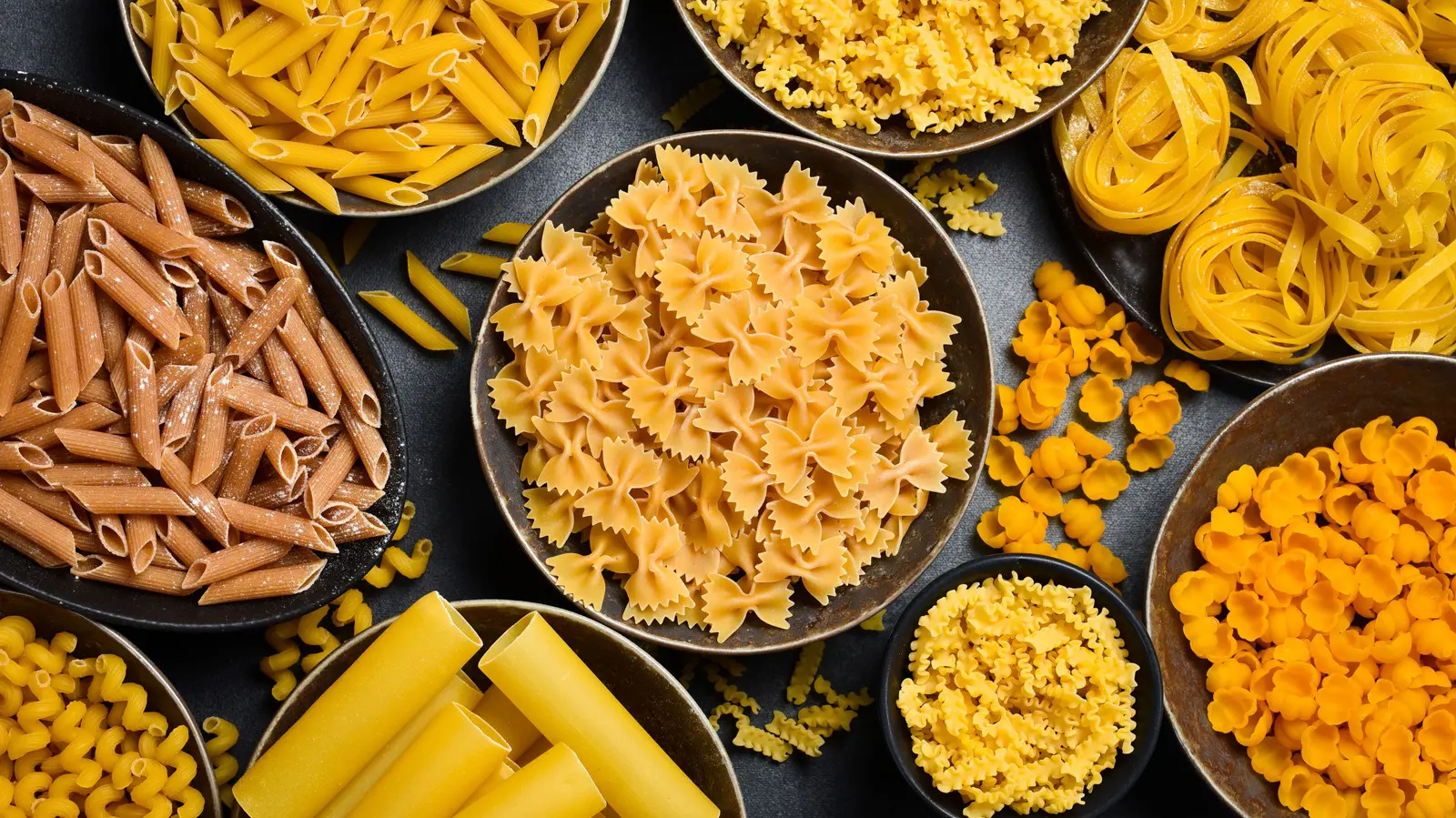
The 2 Trader Joe's Gluten-Free Pastas To Buy If You Miss Traditional Pasta
Both are sold in familiar shapes and cook similarly to traditional pasta
For those avoiding gluten but craving the familiar taste and texture of wheat-based pasta, Trader Joe's offers two standout options that closely mimic the real thing. As of October 2026, these products have gained attention for delivering a satisfying experience without compromising dietary needs, addressing a common gap in the gluten-free market where many alternatives fall short in flavor and mouthfeel. The first recommended pasta is Trader Joe's Organic Brown Rice & Quinoa Pasta, which blends two gluten-free grains to create a firmer, more authentic bite compared to single-grain versions. The second is their Gluten-Free Fusilli Made with Lentils, praised for its rich, earthy flavor and ability to hold sauces well—qualities often missing in other gluten-free varieties.
Latest news
 The Ultimate Homemade Chili Recipe for Cold Weather
 The Nutritional Power of Pumpkin Beyond Seasonal Desserts
 A Culinary Journey Through the 30th Epcot International Food and Wine Festival
 Burger King Unleashes Hello Kitty Kids' Meal with Ultra-Rare Golden Collectible
Both are sold in familiar shapes and cook similarly to traditional pasta, making them easy substitutes in classic recipes. Why These Two Stand Out Among Gluten-Free Options Unlike many gluten-free pastas that turn mushy or gritty when cooked, these Trader Joe's selections maintain structure and texture through proper cooking times. The brown rice and quinoa blend provides a neutral base that doesn’t overpower sauces, while the lentil-based fusilli adds protein and a hearty feel. Shoppers note that when paired with robust sauces like marinara or pesto, the difference from wheat pasta becomes barely noticeable, helping ease the transition for those newly adopting a gluten-free lifestyle. How Do They Compare in Nutrition and Taste? Nutritionally, the lentil fusilli offers more protein and fiber than the rice-quinoa blend, making it a filling choice for balanced meals.
The rice-quinoa pasta, while lower in protein
The rice-quinoa pasta, while lower in protein, is often preferred for its closer resemblance to traditional semolina pasta in both color and texture. Taste tests conducted by Trader Joe's internal teams in late 2025 showed that over 70% of participants found these two options acceptable substitutes in blind trials, a significant improvement over earlier gluten-free pasta iterations that scored poorly in similarity tests. What Should Shoppers Look for When Buying Gluten-Free Pasta? Consumers are advised to check cooking times carefully, as gluten-free pasta can go from firm to overcooked quickly. Rinsing after draining is not recommended, as it removes surface starch that helps sauce adhere. Instead, tossing the pasta directly with warm sauce improves cohesion and flavor.
Both Trader Joe's options are located in the gluten-free aisle or near international foods, clearly labeled and priced competitively with other specialty pastas. Frequently Asked Questions Are these pastas safe for people with celiac disease? Yes, both products are certified gluten-free and produced in facilities that follow strict protocols to avoid cross-contamination, making them suitable for those with celiac disease or gluten sensitivity. Do they need to be cooked differently than regular pasta? They cook in a similar time frame—typically 8 to 10 minutes—but should be tasted early for doneness, as gluten-free pasta can become soft faster than wheat-based versions. Can they be used in baked pasta dishes like lasagna? While possible, the lentil fusilli holds up better in baked dishes due to its firmer texture; the rice-quinoa blend may break down more easily under prolonged heat, so it's best suited for sauced or sautéed preparations.
Content written by Tasting Table for fancy-meals.com editorial team, AI-assisted.