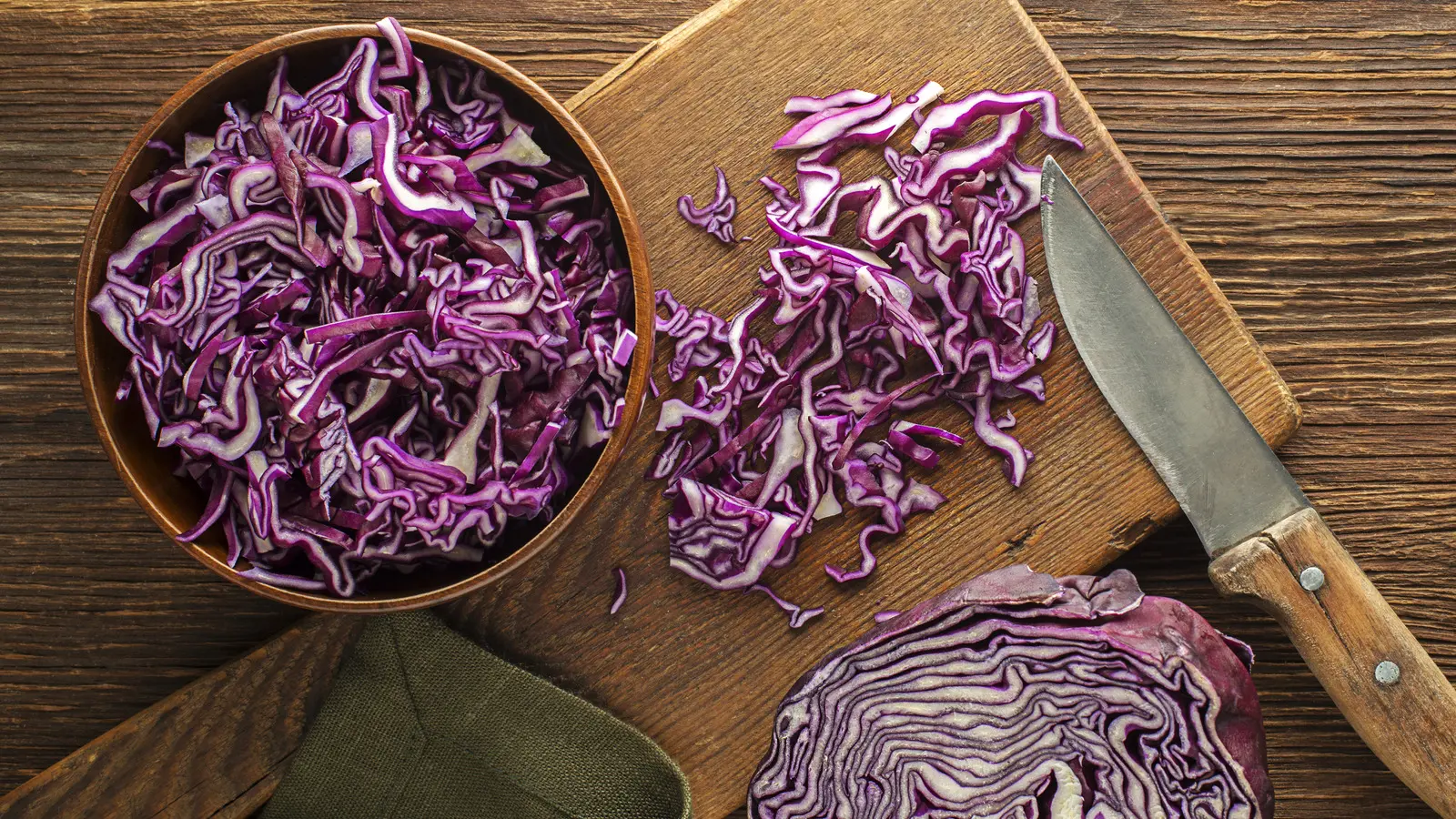
Red Cabbage Is 10X More Flavorful When You Make It Danish Style
How Does the Danish Method Enhance Nutritional Benefits?
A traditional Danish preparation transforms red cabbage into a vibrant, tangy side dish that pairs exceptionally well with pork, whether served warm or chilled. This method enhances the vegetable’s natural sweetness and depth, making it a standout component in Nordic cuisine. While green cabbage often dominates culinary conversations, red cabbage offers superior nutritional value, particularly in antioxidants.
Latest news
 The Ultimate Homemade Chili Recipe for Cold Weather
 The Nutritional Power of Pumpkin Beyond Seasonal Desserts
 A Culinary Journey Through the 30th Epcot International Food and Wine Festival
 Burger King Unleashes Hello Kitty Kids' Meal with Ultra-Rare Golden Collectible
The Danish technique involves slow-cooking shredded red cabbage with vinegar, sugar, and spices like cloves and bay leaf, creating a sweet-sour balance that intensifies flavor over time. This process not only preserves the cabbage but also boosts its bioavailability of nutrients. Red cabbage contains higher levels of anthocyanins and vitamin C compared to green varieties, contributing to its enhanced health profile. The dish is commonly prepared in advance, allowing flavors to meld and deepen, which explains why it tastes significantly more flavorful—up to ten times more—than simply boiled or raw versions.
Why Is Red Cabbage Often Overlooked in Modern Diets?
The fermentation-like effect from the acidic brine in Danish-style preparation helps break down tough fibers, making nutrients easier to absorb. Unlike boiling, which can leach water-soluble vitamins, this method retains more of the cabbage’s beneficial compounds. Studies suggest that the combination of heat, acid, and sugar in the cooking process stabilizes antioxidants, preventing degradation. As a result, the dish delivers both culinary richness and improved nutritional uptake, especially when consumed regularly as part of a balanced meal.
Despite its benefits, red cabbage receives less attention than green cabbage or trendy superfoods, partly due to its stronger color and perceived bitterness when unprepared. However, when treated with the Danish approach, its flavor becomes mellow and complex, appealing to a broader palate. Culinary experts note that cultural familiarity plays a role—Nordic households have long used this method, while other regions default to quicker, less nuanced preparations. Increasing awareness of food-based health benefits is slowly shifting this perception.
What makes Danish-style red cabbage different from regular cooked cabbage? The Danish method uses a sweet-sour brine with vinegar and sugar, slow-cooked to develop deep flavor and preserve nutrients, unlike plain boiling or steaming.
Frequently Asked Questions
Can this dish be made ahead of time, and how long does it last? Yes, it tastes better after a day or two as flavors meld, and it can be stored in the refrigerator for up to two weeks in an airtight container.
Is Danish-style red cabbage suitable for vegetarian or vegan diets? Absolutely, as the traditional recipe contains no animal products and relies solely on plant-based ingredients and spices.
Content written by Tasting Table for fancy-meals.com editorial team, AI-assisted.