Not White Or Black Beans - Add These to Your Next Pot of Soup For Extra Saucy Flavor (And Fiber)
Supes that benefit from this culinary trick
Adding beans from chili preparations to soup: a secret to enriching taste and nutrition
Latest news
 Anthony Bourdain’s Most Unforgettable Meals on „No Reservations”
 Mastering the Art of Perfect Pie Baking
 Chocolate Peppermint Whoopie Pies: Holiday Treats Made Easy With Boxed Mix
 Ree Drummond Shares 10 Tips for the Perfect Thanksgiving Turkey
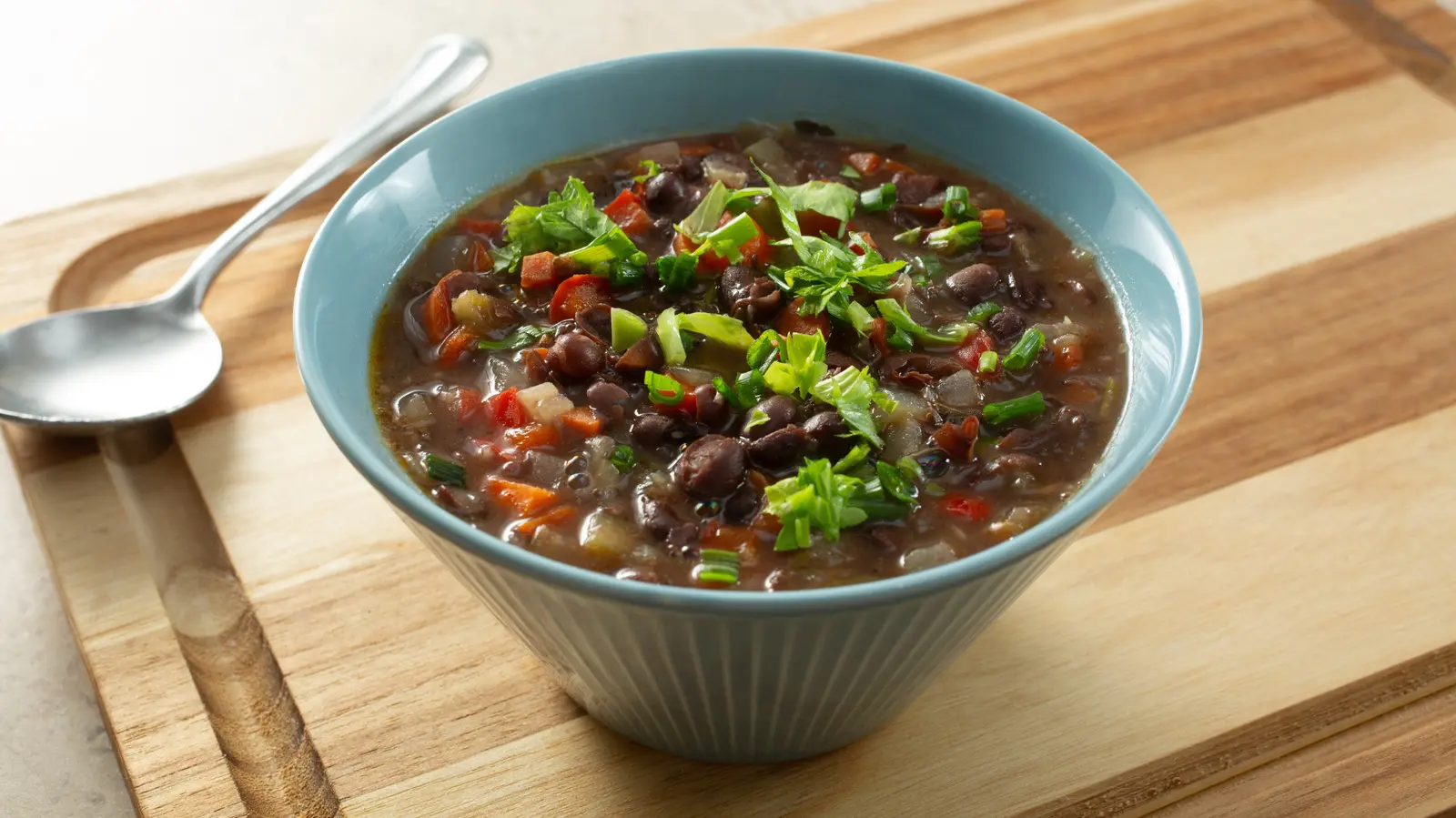
There are numerous methods by which the content of legumes in any soup pot can be increased, including varieties such as navy, Great Northern or toothed beans. However, a product from the kitchen seasoning flour may be more useful than it is supposed to be: chili beans. These cans usually contain pinto beans, kidney beans, or even black beans or cannellini. The distinctive feature is that they are cooked in a tomato-based soup, enriched with spices such as garlic, yogurt, chili powder and cumin. Because they were originally designed for vegetarian chili recipes, they offer much more than just preserved vegetables; they provide an excellent aromatic base.
This addition not only increases the volume of the soup, providing more fiber and protein, but also serves as a savory foundation, enriched in sauce and flavors. A major advantage of using these preservatives is the simplicity of preparation: no softening of the dried beans is necessary, nor is the preservative liquid leaking before incorporation. A single can makes the enrichment process of the meal much easier and, most importantly, much more delicious.
Supes that benefit from this culinary trick
Important considerations regarding spices and texture
One obvious area where chili beans can be integrated is in the tomato soup. Since they are already soaked in tomato sauce, they can be added directly to the soup liquid, giving a subtle spicy note. It also blends perfectly into simpler vegetable soups, such as carrots or sweet potatoes. In these cases, they can add an extra texture or they can be completely ground into the base of the soup, resulting in a thicker and richer consistency.
For a tortilla-style soup, chili beans offer smoky, deep aromas, similar to those you'd make manually using various spices from the spice shelf. Although chili is not a soup, the two preparations often share similar ingredients, depending on the type of soup prepared. This convergence of spices is a crucial aspect to keep in mind when incorporating chili beans into preferred soup recipes.
Important considerations regarding spices and texture
It's important to note that chili beans are already seasoned, and some brands may have high sodium levels. Therefore, reduce the amount of salt, soup cubes, or other spices added to the soup by testing the taste before deciding what else to adjust. Also, because the sauce in these cans is relatively thick, if you're making a thinner, more liquid soup, use the cans in moderation, as opposed to a denser, more substantial soup, where the amount can be higher.
This simple and quick method is an excellent solution for someone who doesn't want to invest time in long preparation processes, turning a simple preservative into an essential element for a more satisfying and nutritious meal. By understanding these small adjustments, anyone can increase the taste and nutritional value of homemade soup without additional effort. This culinary strategy demonstrates how canned ingredients can be far more complex and satisfying than a simple addition of uncondimented legumes, providing a gastronomic experience enriched with a pleasant texture and complex flavor profile without the effort associated with preparing from scratch.