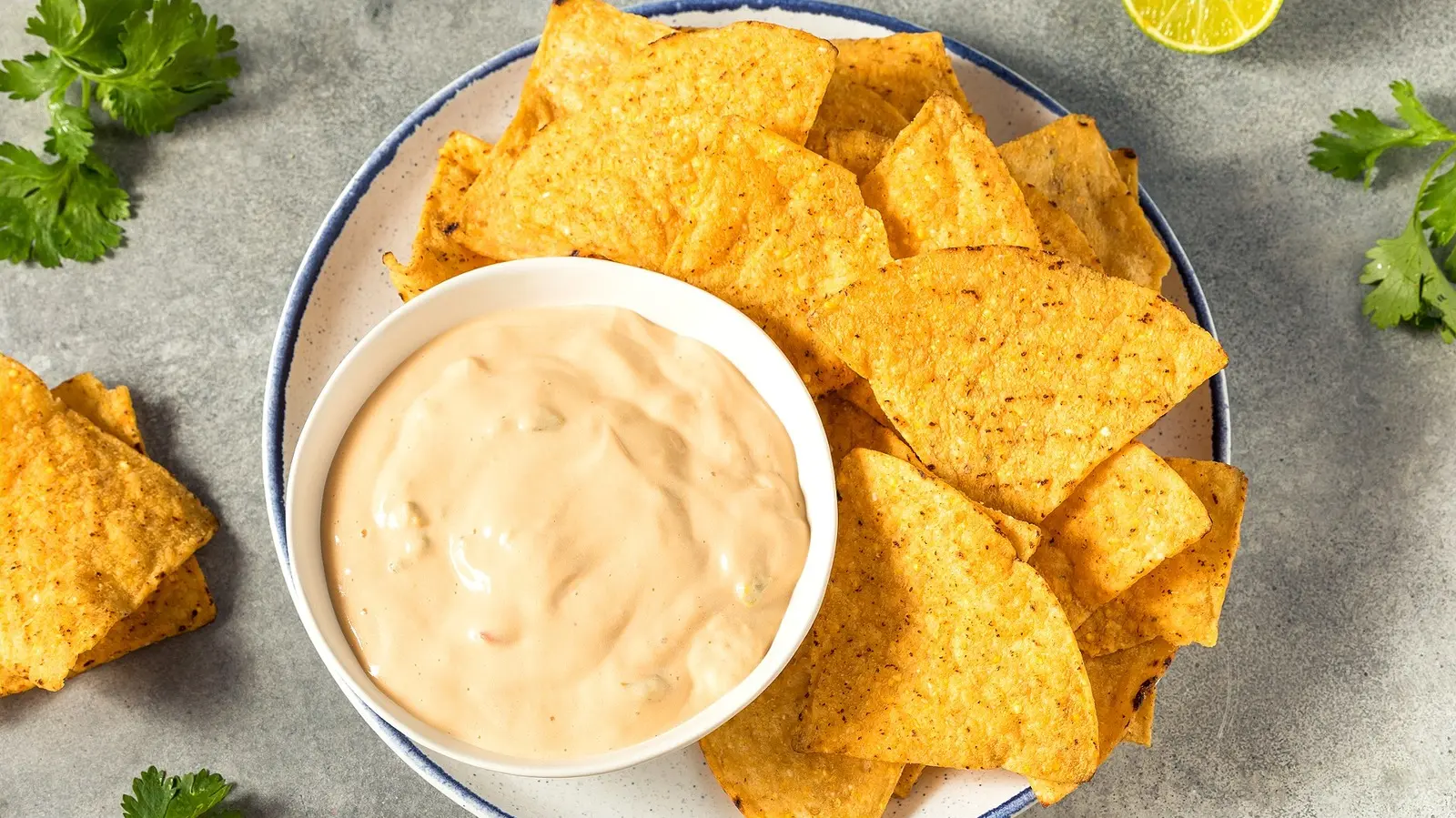
Give Queso Dip An Unforgettable Texture By Adding This High-Protein Ingredient
How Does Protein Change the Cheese Melt
A simple tweak can transform ordinary queso dip into a richer, more satisfying snack by incorporating a high-protein ingredient that enhances both texture and nutrition. This method, shared by food enthusiasts, focuses on improving the mouthfeel of melted cheese blends without compromising flavor. The addition creates a creamier consistency that clings better to chips and vegetables, making each bite more indulgent. Home cooks looking to elevate their game-day spread or casual snack can achieve this with minimal effort and common pantry staples.
Latest news
 The Ultimate Homemade Chili Recipe for Cold Weather
 The Nutritional Power of Pumpkin Beyond Seasonal Desserts
 A Culinary Journey Through the 30th Epcot International Food and Wine Festival
 Burger King Unleashes Hello Kitty Kids' Meal with Ultra-Rare Golden Collectible
The key lies in stirring in cooked, crumbled bacon or diced ham during the final stages of heating the queso. These proteins not only add a savory depth but also help stabilize the emulsion, preventing the dip from separating or becoming oily as it sits. The fat from the meat integrates smoothly with the cheese, creating a luxurious texture that feels more substantial. This technique works particularly well with processed cheese bases like Velveeta or American cheese blends, which are prone to breaking down when heated. By adding the protein toward the end, the dip retains its smoothness while gaining a hearty bite.
Can This Method Work With Vegetarian Options
When proteins like bacon or ham are introduced to melted cheese, they interact with the fat and water molecules, creating a more stable network that resists breaking. This results in a dip that maintains its creamy texture longer, even at room temperature. The Maillard reaction from lightly crisped meat also adds complex flavor notes that complement the sharpness of cheddar or the mildness of Monterey Jack. Unlike adding flour or cornstarch, which can make the dip gummy, real meat proteins enhance richness without altering the intended consistency. Chefs note that this approach mirrors techniques used in fondue, where stabilizers ensure a smooth, dip-ready texture.
For those avoiding meat, plant-based proteins like crumbled tempeh or textured vegetable protein offer a similar texture boost when sautéed first and folded in at the end. These alternatives absorb the cheese’s flavor while providing a firmer bite that mimics the mouthfeel of animal-based proteins. Nutritional yeast, while not a direct protein substitute for texture, can be added alongside to deepen the umami profile without affecting stability. The success of the method depends on ensuring any added ingredient is well-drained and not overly moist, as excess water can cause the cheese to seize or become grainy. Testing small batches allows for adjustments based on desired thickness and richness.
What type of cheese works best with this protein addition? Processed cheese blends like Velveeta or American cheese are ideal because they melt smoothly and benefit most from the stabilizing effect of added proteins. Natural cheeses like cheddar can be used but may require lower heat to prevent separation.
Frequently Asked Questions
How much protein should I add to a standard batch of queso? For every 16 ounces of cheese base, start with ¼ cup of finely chopped, cooked bacon or ham and adjust to taste. This ratio ensures texture improvement without overwhelming the cheese flavor.
Can I prepare this dip ahead of time without losing texture? Yes, the protein-enhanced queso holds its texture better than plain queso when reheated gently over low heat, stirring frequently to maintain smoothness. Avoid microwaving at high power, which can cause uneven heating and separation.
Content written by Lucas Carter for fancy-meals.com editorial team, AI-assisted.