
All you need to know about black pudding
Health enthusiasts have even begun referring to it as a potential 'superfood'
Black pudding, a traditional blood sausage made from pork blood, fat, and oatmeal, has long been a staple in British and Irish breakfasts. Often served fried alongside eggs and bacon, it divides opinion due to its dark colour and rich, savoury flavour. While some avoid it over concerns about ingredients, others praise its deep taste and cultural significance in regional cuisine. Despite its controversial reputation, black pudding is gaining attention from nutritionists who highlight its high iron and protein content. Made with minimal additives in many traditional recipes, it offers a dense source of nutrients that can support energy levels and red blood cell production.
Latest news
 The Ultimate Homemade Chili Recipe for Cold Weather
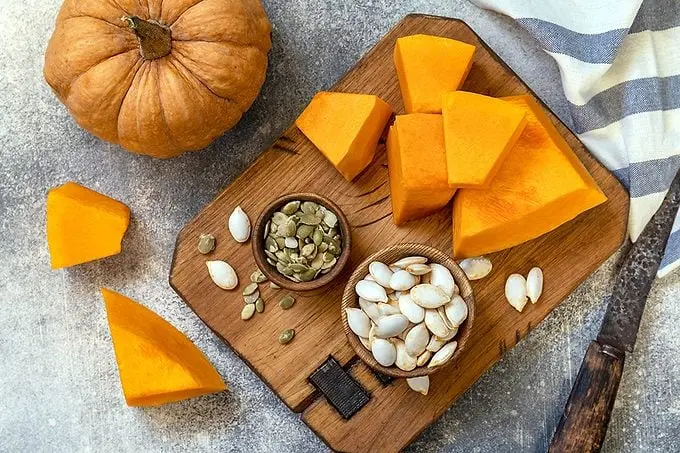 The Nutritional Power of Pumpkin Beyond Seasonal Desserts
 A Culinary Journey Through the 30th Epcot International Food and Wine Festival
 Burger King Unleashes Hello Kitty Kids' Meal with Ultra-Rare Golden Collectible
Health enthusiasts have even begun referring to it as a potential 'superfood' due to its nutritional density. Why nutritionists are rethinking black pudding Recent analysis shows that a typical serving of black pudding provides up to 15% of the recommended daily iron intake, making it particularly beneficial for those at risk of deficiency. Unlike processed meats high in sodium and preservatives, artisanal versions often contain simple ingredients: blood, suet, and grains. Nutritionist Jane Reeves notes, „When sourced responsibly, black pudding delivers more nutrients per calorie than many breakfast alternatives.”Its protein content also aids satiety, helping to reduce mid-morning cravings. Could black pudding fit into a balanced diet? While not a daily staple for everyone, black pudding can be part of a varied diet when consumed in moderation. Pairing it with fibre-rich vegetables or whole grains balances its richness and supports digestive health.
Chefs are also experimenting with lighter preparations, such as grilling or
Chefs are also experimenting with lighter preparations, such as grilling or crumbling it into salads, to modernise its image. For those open to trying it, starting with a small portion allows the palate to adjust to its distinctive taste. Frequently Asked Questions Is black pudding safe to eat if I’m concerned about consuming blood? Yes, the blood used in black pudding is fully cooked during production, making it safe to eat. It undergoes the same food safety standards as other meat products, and the cooking process eliminates any health risks associated with raw blood. Does black pudding contain allergens I should be aware of? Traditional recipes often include oatmeal or barley, which contain gluten, so it may not be suitable for those with celiac disease or gluten sensitivity. Some versions also use dairy or spices, so checking the label is essential for those with specific food allergies.
How does black pudding compare nutritionally to other sausages? Compared to many pork sausages, black pudding tends to be lower in fat and higher in iron and protein, especially when made without fillers. However, sodium levels can vary, so choosing brands with minimal added salt is advisable for heart-healthy eating.
Content written by Natalie Hardwick – Head of Multimedia Operations, goodfood.com for fancy-meals.com editorial team, AI-assisted.