
The Most Common Types of Food Poisoning and Their Risks
Understanding Common Foodborne Illnesses
Food poisoning affects millions each year, posing serious health risks. The U. S. Centers for Disease Control and Prevention reports that approximately 48 million people in the U. S. suffer from foodborne illnesses annually. Among these cases, 128,000 require hospitalization, highlighting the severity of the issue.
Latest news
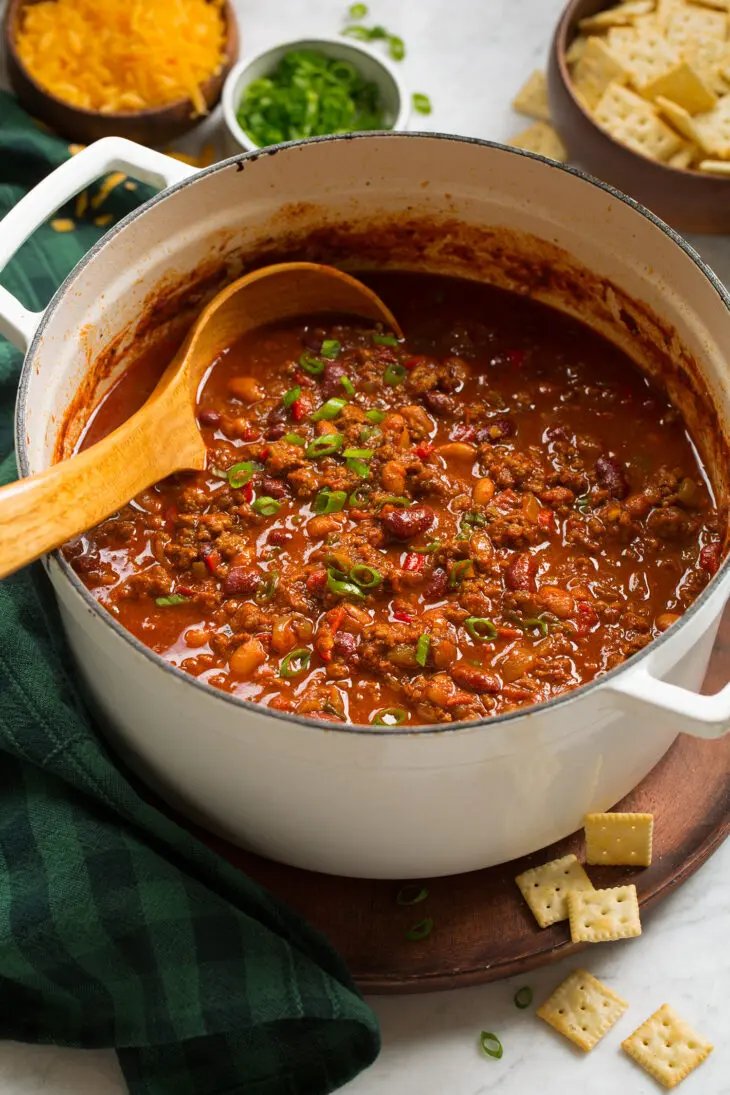 The Ultimate Homemade Chili Recipe for Cold Weather
 The Nutritional Power of Pumpkin Beyond Seasonal Desserts
 A Culinary Journey Through the 30th Epcot International Food and Wine Festival
 Burger King Unleashes Hello Kitty Kids' Meal with Ultra-Rare Golden Collectible
Food poisoning can occur from various sources, including contaminated food or beverages. Bacteria, viruses, and parasites are common culprits. Improper food handling, undercooked meals, and poor hygiene practices contribute significantly to the spread of these pathogens. Even seemingly healthy individuals can experience severe symptoms and complications, making awareness crucial.
There are five prevalent types of food poisoning that people should be aware of. Salmonella is one of the most common, often linked to undercooked poultry, eggs, and unpasteurized milk. Symptoms typically include diarrhea, fever, and abdominal cramps.
Another frequent offender is E. coli, which can be found in undercooked beef and contaminated produce. This bacteria can lead to severe stomach cramps and, in some cases, kidney failure. Norovirus is also widespread, often transmitted through contaminated water or food, particularly shellfish. It causes vomiting and diarrhea, making it highly contagious.
How Can You Protect Yourself from Food Poisoning?
Listeria, found in deli meats and unpasteurized dairy products, can lead to serious complications, especially in pregnant women and individuals with weakened immune systems. Lastly, Clostridium perfringens, often associated with large gatherings and improperly stored food, can cause gastrointestinal issues.
Preventing food poisoning requires vigilance in food preparation and handling. Always wash hands before cooking and ensure that surfaces and utensils are clean. Cooking food to the appropriate temperatures is essential, as is separating raw and cooked foods to avoid cross-contamination.
Storing food correctly is also vital. Refrigerate leftovers promptly and avoid leaving perishable items out for extended periods. Being aware of food recalls and safety alerts can further minimize risks.
Frequently Asked Questions
Food poisoning can lead to severe health consequences, including hospitalization and long-term complications. Awareness and proper food practices are essential for reducing risks. As foodborne illnesses remain a significant public health concern, individuals must prioritize food safety to protect themselves and their families.
What are the symptoms of food poisoning? Symptoms can vary but commonly include nausea, vomiting, diarrhea, abdominal pain, and fever. Severity can depend on the type of pathogen involved.
How long does food poisoning last? The duration of food poisoning symptoms can range from a few hours to several days, depending on the cause and individual health factors.
Can food poisoning be prevented? Yes, practicing good hygiene, cooking food to safe temperatures, and proper food storage can significantly reduce the risk of food poisoning.
Content written by Henry Cross for fancy-meals.com editorial team, AI-assisted.