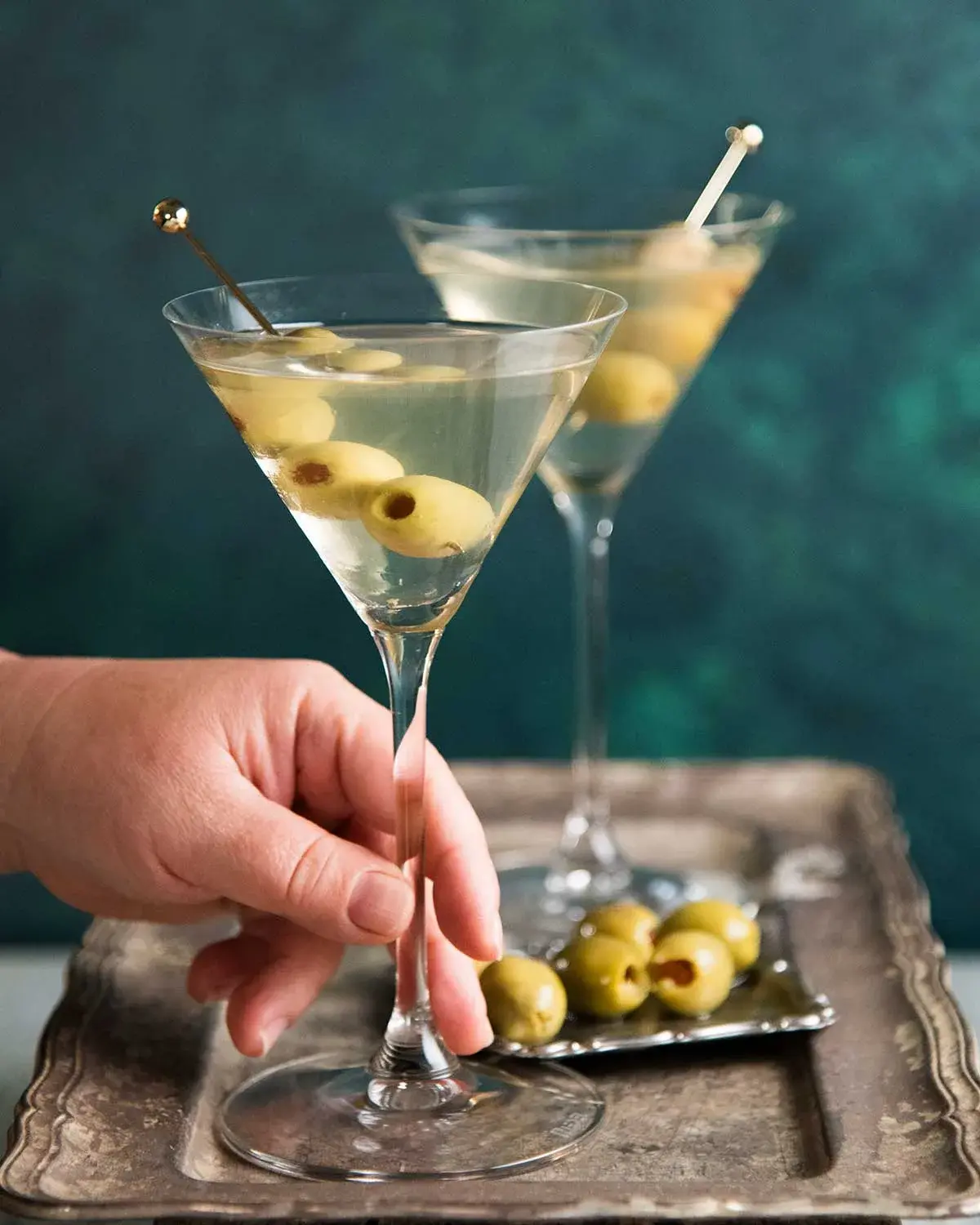
The Dirty Martini: A Modern Twist on a Classic Cocktail
Why Olive Brine Changes the Game
The Dirty Martini has become a popular choice for those looking to start an evening with a sophisticated yet approachable drink. Originating as a variation of the traditional gin martini, it incorporates a small amount of olive brine to create a savory, slightly salty profile that softens the spirit’s sharp edges. This simple addition transforms the cocktail into something many find more palatable, especially those who previously avoided straight martinis.
Latest news
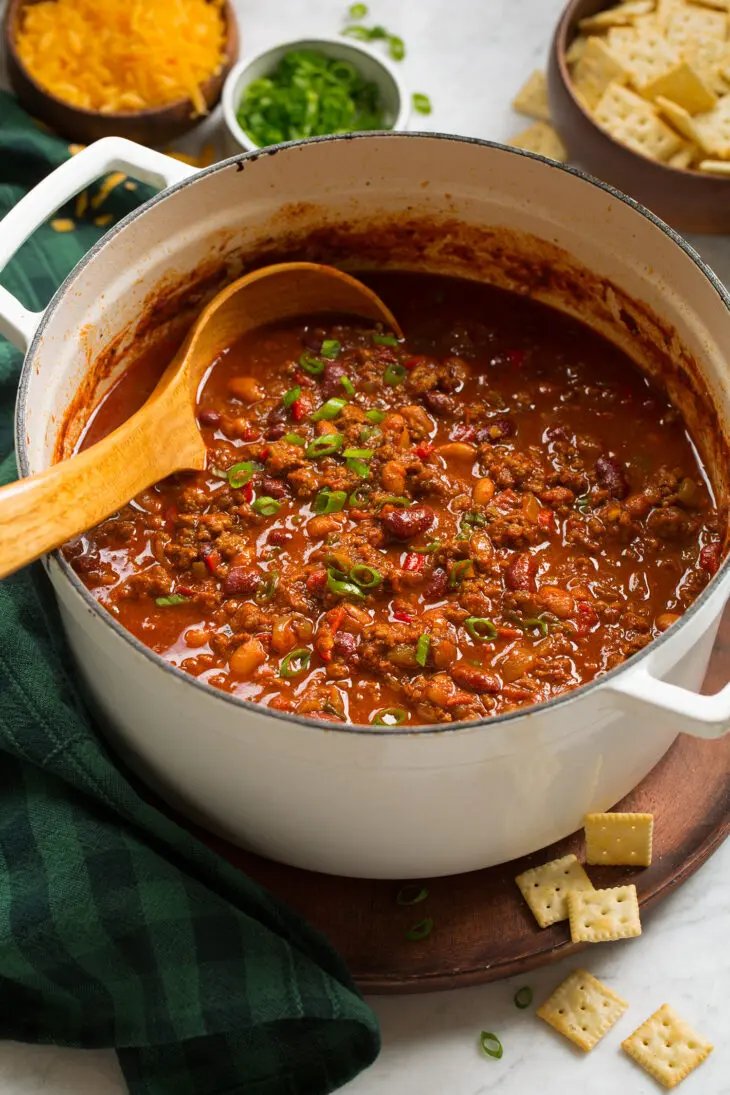 The Ultimate Homemade Chili Recipe for Cold Weather
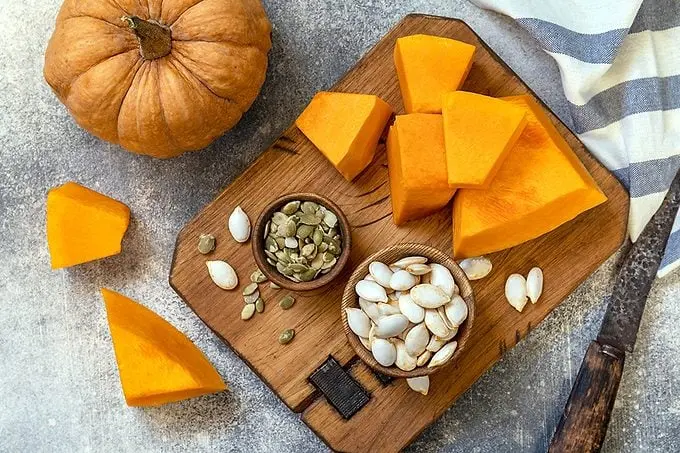 The Nutritional Power of Pumpkin Beyond Seasonal Desserts
 A Culinary Journey Through the 30th Epcot International Food and Wine Festival
 Burger King Unleashes Hello Kitty Kids' Meal with Ultra-Rare Golden Collectible
What makes the Dirty Martini stand out is its balance between tradition and accessibility. While a classic martini relies solely on gin and vermouth, the dirty version introduces olive brine—typically from the jar of garnish olives—to add depth and umami. Bartenders often adjust the ratio based on preference, with some using just a quarter-ounce and others going bolder for a more pronounced brine flavor. The drink is usually stirred, not shaken, to maintain clarity and a silky texture, then strained into a chilled coupe or martini glass and garnished with one or more olives on a skewer.
How Do You Make a Dirty Martini at Home?
The inclusion of olive brine does more than just add saltiness; it alters the perception of alcohol on the palate. The brine’s natural compounds interact with the gin’s botanicals, rounding out juniper notes and reducing the burn often associated with high-proof spirits. This effect makes the Dirty Martini feel smoother and more complex, inviting slower sipping. Many enthusiasts describe it as „dangerously drinkable” precisely because it masks the strength while enhancing flavor. The garnish olives themselves contribute to the experience, releasing subtle oils and aromas as they sit in the drink.
Creating a Dirty Martini requires only a few quality ingredients: good gin, dry vermouth, olive brine, and olives for garnish. Start by filling a mixing glass with ice, then add two ounces of gin, half an ounce of dry vermouth, and anywhere from a quarter to half an ounce of olive brine—adjust to taste. Stir gently for about 20 seconds until well-chilled, then strain into a pre-chilled glass. Garnish with one or three olives; tradition favors an odd number, though personal preference rules. The key is to taste as you go, since brine intensity varies between brands.
The Dirty Martini’s rise reflects a broader trend toward cocktails that honor tradition while embracing personal taste. As more drinkers seek flavorful yet balanced options, variations like this one continue to gain traction in bars and home settings alike. Its enduring appeal lies in its adaptability—whether you prefer it extra dirty, with a twist of lemon, or made with vodka instead of gin, the core concept remains a welcoming gateway into the world of stirred cocktails.
Frequently Asked Questions
What type of olives work best for a Dirty Martini? While any pitted olive can be used, many prefer Castelvetrano or Manzanilla varieties for their mild, buttery flavor and firm texture. The brine from these olives tends to be less bitter, contributing a cleaner savoriness to the drink. Avoid olives with strong herbs or citrus if you want to keep the focus on the gin and vermouth.
Can I make a Dirty Martini with vodka instead of gin? Yes, a vodka-based Dirty Martini is a common and equally valid variation. Vodka’s neutral profile allows the olive brine and vermouth to shine more directly, resulting in a cleaner, crisper drink. Some purists argue it strays from the martini’s roots, but it remains a popular choice for those who find gin too assertive.
Content written by Isabelle Fontaine for fancy-meals.com editorial team, AI-assisted.