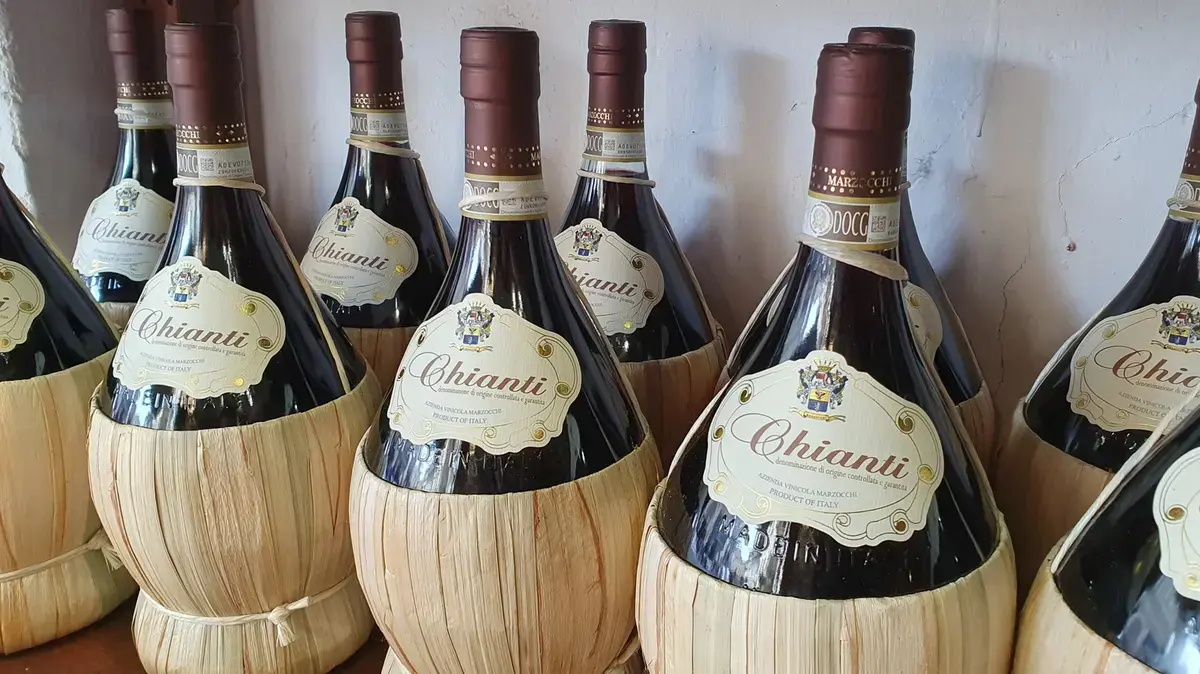
The Chianti Bottle's Straw Wrapper
A Marketing Legacy
Dining at a traditional Italian trattoria often means encountering a distinctive teardrop-shaped wine bottle wrapped in a straw basket. This iconic packaging, known as a fiasco, has been a staple in Italian eateries for decades. The fiasco's origins date back to the 19th century.
Latest news
 The Ultimate Homemade Chili Recipe for Cold Weather
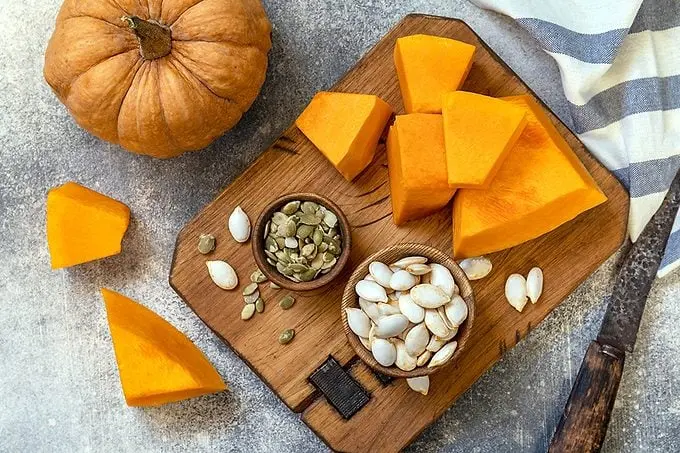 The Nutritional Power of Pumpkin Beyond Seasonal Desserts
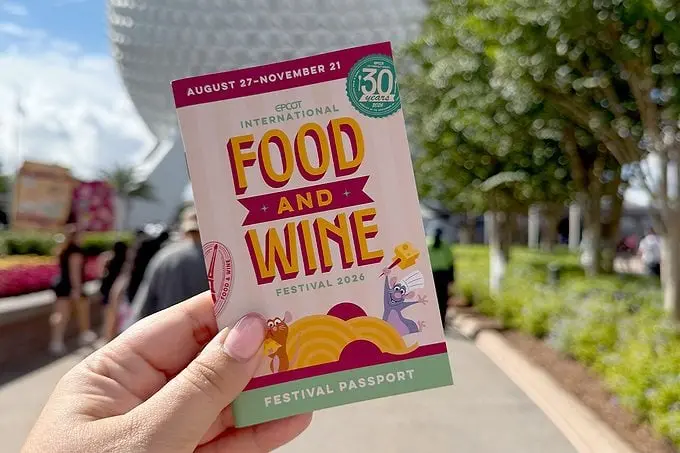 A Culinary Journey Through the 30th Epcot International Food and Wine Festival
 Burger King Unleashes Hello Kitty Kids' Meal with Ultra-Rare Golden Collectible
The straw wrapping was originally used to protect the bottle during transportation. In the past, glass production techniques were not as advanced, making bottles more prone to breakage. The straw wrapping helped to cushion the bottle and prevent damage.
The fiasco's design became closely associated with Chianti wine, a Tuscan staple. The straw wrapping was not just functional but also added to the bottle's rustic charm. As Italian immigrants brought their traditions to other countries, the fiasco became a recognizable symbol of Italian culture.
Is the Fiasco Still Relevant?
Despite changes in glass production and packaging, the fiasco remains a nostalgic reminder of traditional Italian dining. Many modern wineries have moved away from the traditional fiasco, opting for more modern packaging. However, some producers continue to use the iconic design as a nod to their heritage.
The fiasco's enduring presence in Italian trattorias is a testament to the power of tradition and nostalgia. As the wine industry continues to evolve, it will be interesting to see if the fiasco remains a staple of Italian culture.
Frequently Asked Questions
What is the purpose of the straw wrapping on a Chianti bottle? The straw wrapping was originally used to protect the bottle during transportation and prevent breakage. It has since become a distinctive part of the bottle's design.
Why is the Chianti bottle teardrop-shaped? The teardrop shape was a result of the manufacturing process at the time. It was a common shape for bottles produced using certain glassmaking techniques.
Is the fiasco still used today? While many modern wineries have moved away from the traditional fiasco, some producers continue to use the iconic design as a nod to their heritage. It remains a recognizable symbol of Italian culture and tradition.
Content written by Victoria Lane for fancy-meals.com editorial team, AI-assisted.