
The Best Budget White Wines That Rival Their Expensive Counterparts
Why Price Isn’t the Only Indicator of Quality
A growing number of wine lovers are discovering that a high‑quality glass of white wine does not require a hefty price tag. In a recent guide, a selection of 15 affordable bottles was highlighted, each offering flavor profiles and complexity that rival much pricier options. The list, compiled by a seasoned wine critic, showcases wines from well‑known regions such as California, France, and Italy, proving that budget‑friendly choices can stand shoulder‑to‑shoulder with premium labels.
Latest news
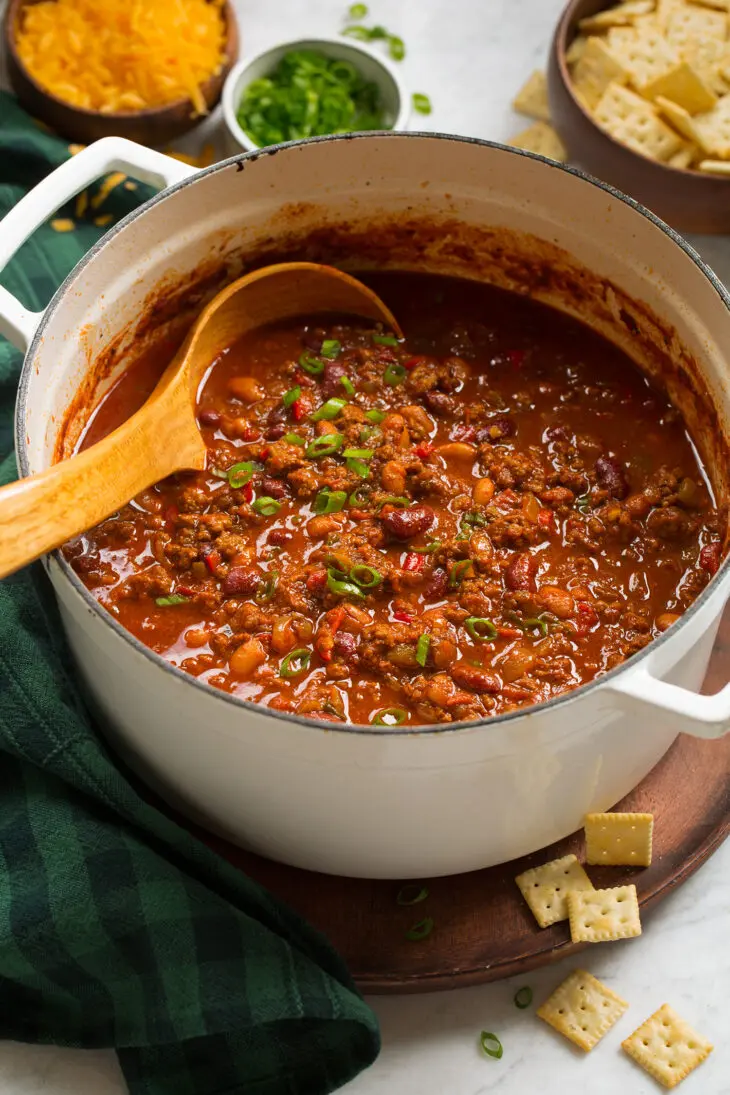 The Ultimate Homemade Chili Recipe for Cold Weather
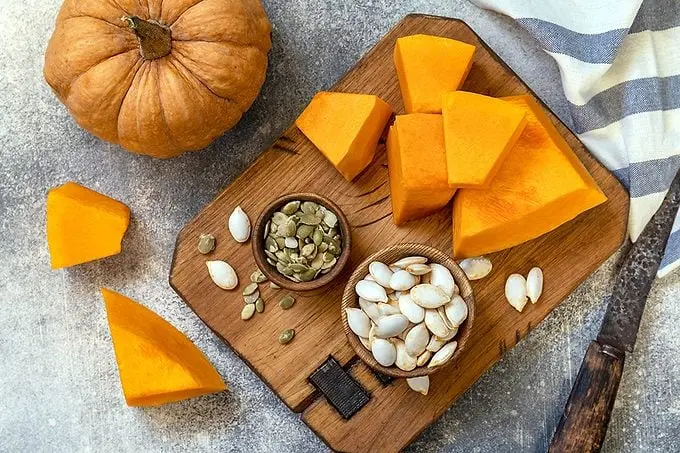 The Nutritional Power of Pumpkin Beyond Seasonal Desserts
 A Culinary Journey Through the 30th Epcot International Food and Wine Festival
 Burger King Unleashes Hello Kitty Kids' Meal with Ultra-Rare Golden Collectible
The guide was released on September 19, 2026, and has quickly become a go‑to reference for both casual drinkers and seasoned connoisseurs. It emphasizes that the perceived value of expensive wines often stems from marketing and prestige rather than intrinsic quality. By focusing on terroir, grape variety, and winemaking technique, the critic demonstrates that many lower‑priced bottles deliver the same aromatic richness, acidity, and finish as their high‑end counterparts.
The article argues that the cost of a wine bottle is frequently linked to factors such as limited production, aging potential, or brand reputation. However, these elements do not guarantee a superior tasting experience. Instead, the critic points to the importance of the vineyard’s microclimate, soil composition, and the winemaker’s skill. For instance, a Chardonnay from a small Californian estate may exhibit crisp minerality and subtle oak, rivaling a more expensive French Chardonnay that relies heavily on barrel aging. The guide cites tasting notes that compare the two, showing that flavor intensity and balance can be achieved at a fraction of the price.
Another key point is the role of consumer perception. When a wine is marketed as „premium,” buyers may expect a certain level of complexity. Yet, many inexpensive bottles are crafted with the same attention to detail, resulting in a surprisingly nuanced palate. By sharing tasting notes and pairing suggestions, the guide helps readers make informed choices without overspending.
Can You Really Find Hidden Gems in the Wine Aisle?
The guide lists 15 specific bottles, each under $20, that have earned praise from independent reviewers. These include a crisp Sauvignon Blanc from New Zealand, a buttery Riesling from Germany, and a robust Pinot Grigio from Italy. Each recommendation is paired with tasting notes, ideal food pairings, and a brief explanation of why the wine stands out. The critic also highlights how certain winemakers use sustainable practices, which often leads to cleaner, more expressive wines that are also more affordable.
Readers are encouraged to experiment with these options at home, noting how the wines perform over time. The guide suggests keeping a tasting journal to track flavor evolution, which can reveal whether a budget bottle ages well or remains best consumed young. By adopting this approach, consumers can broaden their palate while staying within a reasonable budget.
The article concludes that the trend toward affordable, high‑quality white wines is likely to continue. As more producers focus on terroir and sustainable practices, the market will offer increasingly diverse options that do not rely on high price tags. This shift benefits both consumers and the industry, fostering a more inclusive wine culture where enjoyment is not limited by cost.
The Future of Accessible Wine Culture
Frequently Asked Questions
What makes a cheap white wine taste like a premium bottle? Cheaper wines often come from vineyards with ideal microclimates and soils. Skilled winemakers use precise fermentation techniques and minimal intervention, producing balanced, aromatic wines that compete with pricier labels.
Do these budget wines pair well with a variety of foods? Yes. The guide includes pairing suggestions such as seafood, poultry, and light pasta dishes. The versatility of these wines makes them suitable for everyday meals and special occasions alike.
Can I trust the tasting notes in the guide? The critic bases the notes on independent reviews and personal tastings. While individual preferences vary, the consistent praise across multiple sources indicates reliable quality.
Content written by [email protected] (Lucia Capretti) for fancy-meals.com editorial team, AI-assisted.