
Seasonal Shifts in Bar Orders Reflect Changing Weather Patterns
Warm Spiced Variations Dominate the Menu
As autumn temperatures drop across major cities, bartenders report a distinct pivot in customer preferences. The arrival of cooler air signals a move away from light, citrus-heavy summer sips. Instead, patrons now seek warmth, depth, and complexity in their liquid choices. This seasonal transition is not merely aesthetic; it reflects a physiological desire for comfort. Bars are responding by highlighting drinks that align with the crisp, dry atmosphere of the fall season.
Latest news
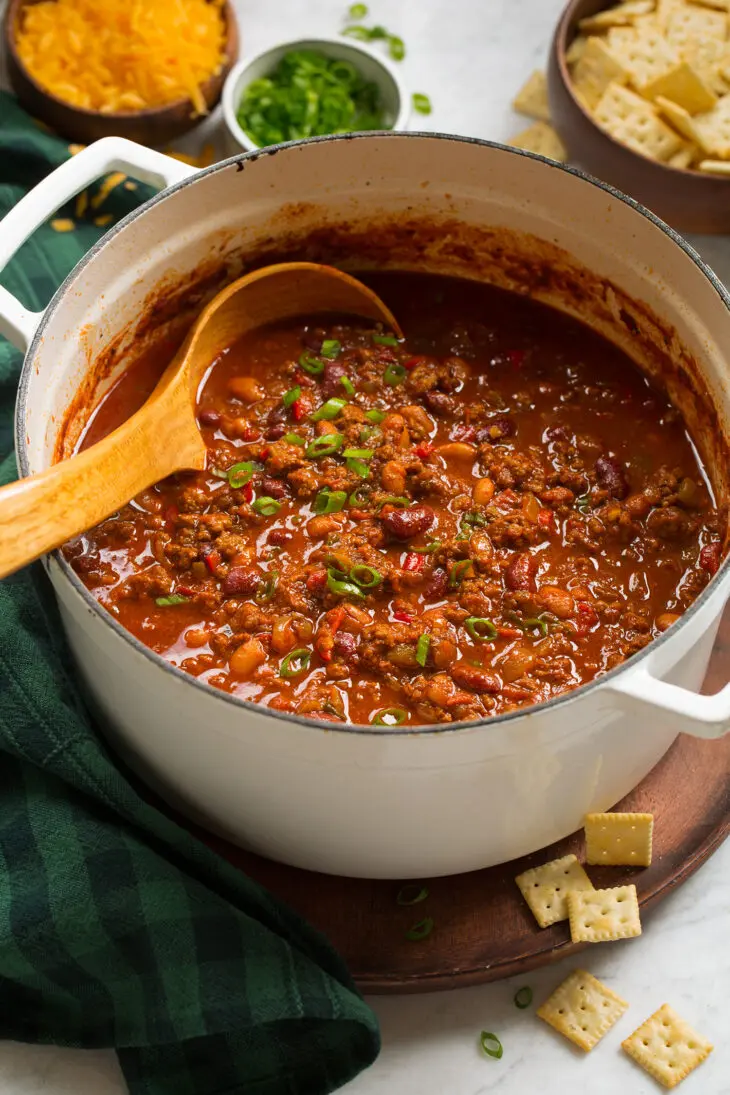 The Ultimate Homemade Chili Recipe for Cold Weather
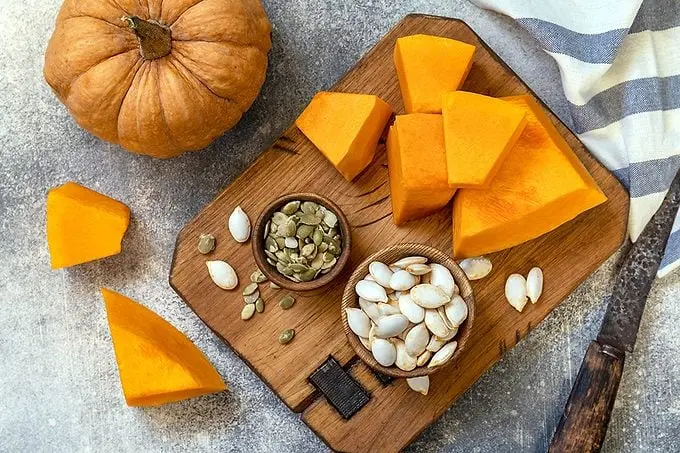 The Nutritional Power of Pumpkin Beyond Seasonal Desserts
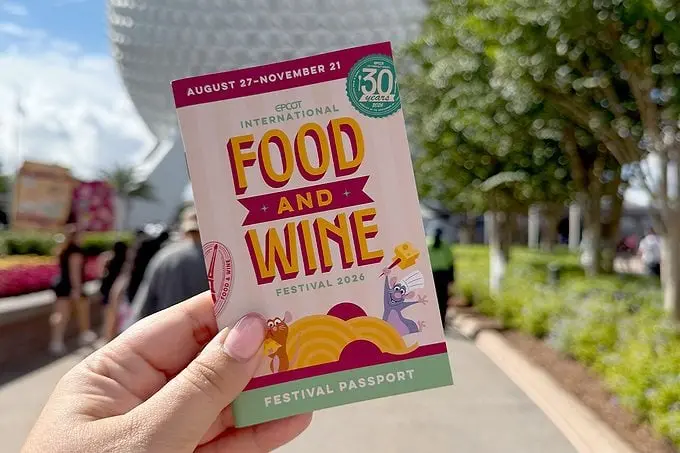 A Culinary Journey Through the 30th Epcot International Food and Wine Festival
 Burger King Unleashes Hello Kitty Kids' Meal with Ultra-Rare Golden Collectible
Bartenders emphasize that spice profiles become central to the cocktail experience during this time of year. Cinnamon, nutmeg, and allspice replace fresh herbs and bright zests. These ingredients provide a sensory bridge between the cold outdoors and the cozy interior of the establishment. Many establishments have begun featuring limited-edition menus specifically designed to capitalize on these flavor trends. The focus shifts toward roasted fruits, dark spirits, and rich syrups. This approach satisfies the craving for something substantial without being overly heavy.
Customers often request modifications to classic recipes to incorporate these autumn elements. A standard Old Fashioned might receive a dash of maple syrup or a garnish of dried orange peel. Similarly, gin-based drinks are often swapped for whiskey or rum variations to match the mood. The visual presentation also changes, with darker glassware and warmer lighting enhancing the overall ambiance. This holistic approach ensures the drinking experience feels cohesive with the external environment.
Why Do Drinks Change With the Seasons?
Human perception of flavor is heavily influenced by temperature and context. When the air is cool, the body naturally seeks higher-calorie, warming substances. This biological response drives demand for spiced and roasted flavors. Bartenders note that this shift is consistent year after year, regardless of specific weather forecasts. It is a cultural and physical ritual that marks the end of summer. The psychological comfort derived from a warm drink in a cold setting plays a significant role in consumer behavior.
Data from recent bar surveys indicates a spike in orders for bourbon, rye, and aged rum during October and November. These base spirits pair well with the aforementioned spices and sugars. Conversely, vodka and light tequila sales tend to dip slightly as the season progresses. This trend allows bars to manage inventory more effectively, stocking up on robust spirits while reducing lighter options. The economic impact is noticeable, with premium autumn cocktails often commanding higher prices due to their complex preparation.
Frequently Asked Questions
Which specific spices are most popular in fall cocktails? Cinnamon and nutmeg are the leading choices for adding warmth. Allspice and clove are also frequently used to create depth. These aromatics complement dark spirits and roasted fruit components effectively.
Do bars offer permanent or temporary fall menus? Most establishments feature temporary seasonal menus lasting four to six weeks. These items rotate out once winter begins. However, some signature autumn drinks remain on the main menu year-round.
Is there a difference in alcohol content for these drinks? Alcohol levels typically remain consistent with standard cocktail ratios. The change lies primarily in the flavor profile and temperature of service. Most fall cocktails are served neat or on the rocks rather than shaken with ice.
Content written by Henry Cross for fancy-meals.com editorial team, AI-assisted.