
Comparing Sauvignon Blanc and Moscato: Key Distinctions
Aromatic Profiles and Taste Sensations
White wine enthusiasts often encounter Sauvignon Blanc and Moscato. Both are popular choices in stores and restaurants. While both offer enjoyable experiences, they present distinct profiles. Understanding these differences helps consumers choose the perfect bottle.
Latest news
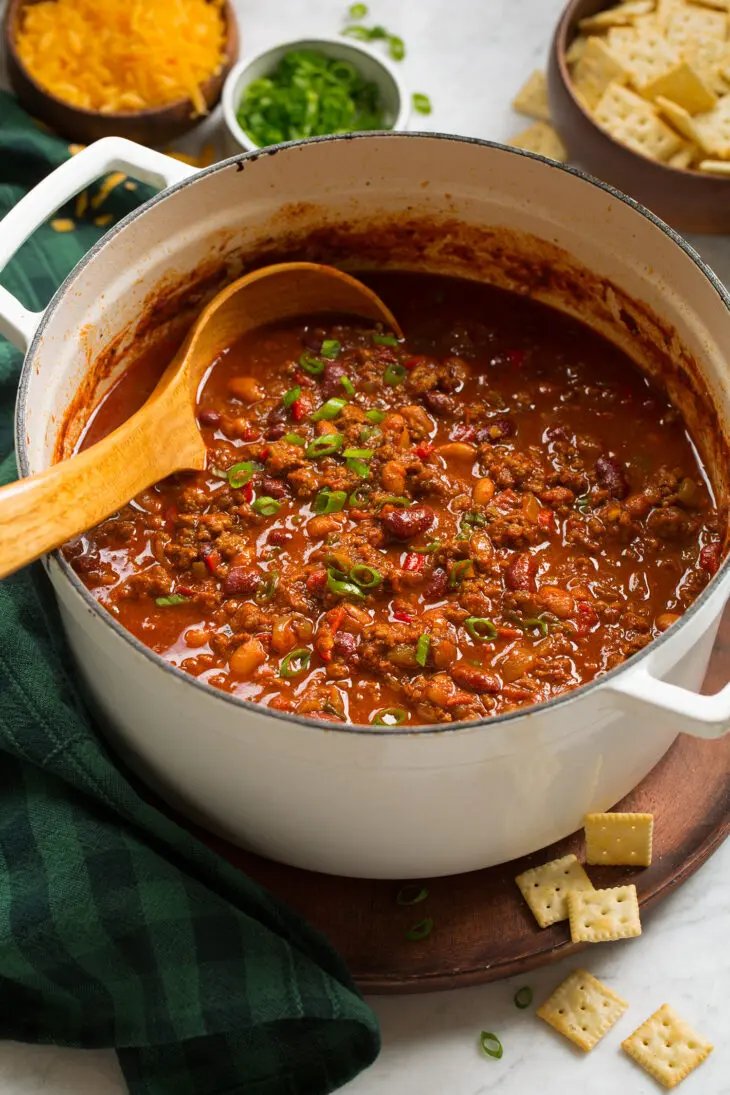 The Ultimate Homemade Chili Recipe for Cold Weather
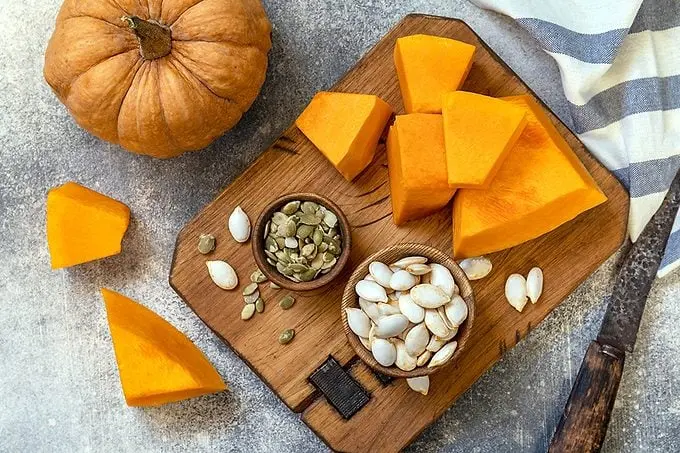 The Nutritional Power of Pumpkin Beyond Seasonal Desserts
 A Culinary Journey Through the 30th Epcot International Food and Wine Festival
 Burger King Unleashes Hello Kitty Kids' Meal with Ultra-Rare Golden Collectible
These two white wines stand out for their accessibility and varied characteristics. They appeal to both new and experienced wine drinkers. Despite their shared popularity, their individual traits set them far apart.
Sauvignon Blanc is known for its crisp, dry taste. It often features herbal notes, like freshly cut grass or bell pepper. Fruit flavors typically include grapefruit, passionfruit, and lime. This wine offers a refreshing acidity, making it bright and zesty on the palate. Its aroma is often described as vibrant and pungent.
How Do Alcohol Content and Body Differ?
Moscato, conversely, is celebrated for its sweet and fruity nature. It carries strong aromas of peach, apricot, and orange blossom. Many detect notes of honey and grape in its bouquet. This wine is typically lower in alcohol and has a slight effervescence. Its sweetness makes it a delightful dessert wine or aperitif.
The alcohol content varies significantly between these two wines. Sauvignon Blanc generally has a higher alcohol by volume (ABV), typically ranging from 12.5% to 14%. It is considered a medium-bodied wine. This means it feels substantial but not heavy in the mouth.
Moscato usually has a much lower ABV, often between 5% and 7%. It is a light-bodied wine. This lighter feel, combined with its sweetness and slight fizz, makes it very easy to drink. Its lower alcohol content also contributes to its appeal as a lighter option.
Food Pairings: Which Wine for What Meal?
Sauvignon Blanc pairs wonderfully with various foods. Its acidity cuts through rich dishes. Think seafood, goat cheese, and fresh salads. It also complements chicken and light pasta dishes. The wine's herbaceous notes can enhance green vegetables.
Moscato's sweetness makes it ideal for desserts. Fruit tarts, cheesecakes, and sorbets are excellent companions. It also pairs well with spicy Asian cuisine, as its sweetness can balance the heat. Some enjoy it with light appetizers or as a standalone celebratory drink.
Frequently Asked Questions
What is the primary flavor difference between Sauvignon Blanc and Moscato? Sauvignon Blanc is typically dry and acidic with herbal and citrus notes. Moscato is sweet and fruity, featuring flavors of peach, apricot, and honey.
Which wine has a higher alcohol content? Sauvignon Blanc generally has a higher alcohol by volume, usually between 12.5% and 14%. Moscato has a much lower ABV, typically ranging from 5% to 7%.
What food pairs best with Moscato? Moscato pairs excellently with desserts like fruit tarts and cheesecakes. It also complements spicy Asian dishes due to its sweetness.
Content written by Lucas Carter for fancy-meals.com editorial team, AI-assisted.