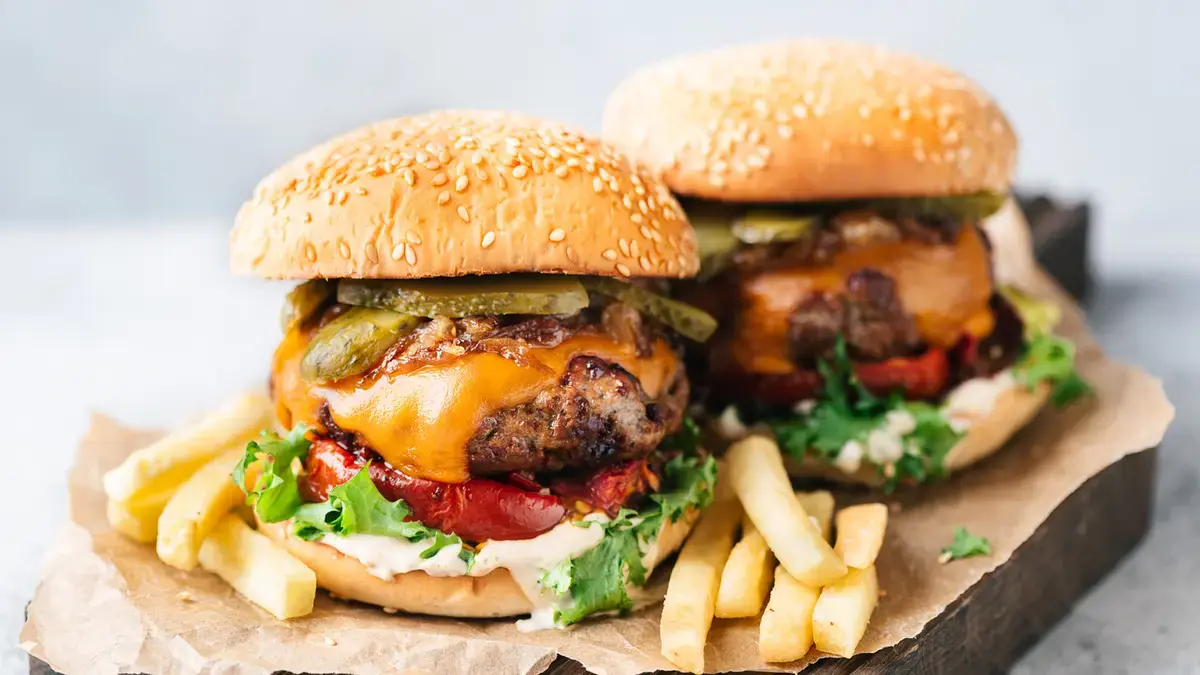
You'll Never Make The Best Burgers At Home If You Keep Making This Stovetop Mistake
Why Steam Sabotages Your Sear
Cooking burgers on the stovetop at home often leads to disappointing results when cooks instinctively cover the pan with a lid to control splattering grease. This common habit, while seemingly practical, traps steam and prevents proper searing, ultimately compromising the burger’s texture and flavor. The mistake occurs during the cooking process itself, particularly when aiming for a juicy interior with a caramelized crust.
Latest news
 The Ultimate Homemade Chili Recipe for Cold Weather
 The Nutritional Power of Pumpkin Beyond Seasonal Desserts
 A Culinary Journey Through the 30th Epcot International Food and Wine Festival
 Burger King Unleashes Hello Kitty Kids' Meal with Ultra-Rare Golden Collectible
Covering the pan creates a moist environment that steams the burger instead of allowing it to brown properly. As Whitney Bard explains, the sizzle and spatter seen in a hot pan are signs of the Maillard reaction taking place—the chemical process responsible for rich, savory flavors and appealing color. When a lid is added, this reaction is interrupted, resulting in a gray, boiled-like surface rather than the desirable crisp exterior. The trapped moisture also hinders fat rendering, leaving the burger greasy rather than rich and satisfying.
How Can You Prevent Grease Splatter Without a Lid?
The key to a great stovetop burger lies in managing heat and moisture. High heat initiates browning, but steam from the lid lowers the effective temperature at the meat’s surface, slowing or stopping the Maillard reaction. Without that crust, the burger lacks depth of flavor and appealing texture. Additionally, pressing down on the burger with a spatula—another frequent error—forces out juices, further drying the patty. Experts recommend leaving the burger undisturbed for several minutes per side to develop a proper sear before flipping once.
Instead of covering the pan, use a splatter screen to contain oil while allowing steam to escape. Alternatively, partially pre-cook the burger in the oven or choose a leaner grind to reduce fat output. Some cooks find success by starting with a cold pan and gradually heating it, which minimizes sudden fat release. Maintaining medium-high heat and avoiding overcrowding the pan also helps control splatter without sacrificing browning. Letting the burger rest after cooking allows juices to redistribute, improving moisture and bite.
Is it ever okay to cover the pan when cooking burgers? Only if you're finishing thick patties with added cheese and need to melt it quickly—do so for the last 30 to 60 seconds with the lid slightly ajar to balance steam and melt.
Frequently Asked Questions
What internal temperature should a burger reach for safety and juiciness? Aim for 160°F (71°C) for well-done safety, but for medium, 140°F to 145°F (60°C to 63°C) is acceptable if using freshly ground, high-quality beef and consuming immediately.
Does the type of pan affect how much splatter occurs? Yes, heavier pans like cast iron retain heat better and promote even browning, while thin pans heat unevenly and can increase spatter due to hot spots. A well-seasoned skillet also reduces sticking and improves sear quality.
Content written by Lucas Carter for fancy-meals.com editorial team, AI-assisted.