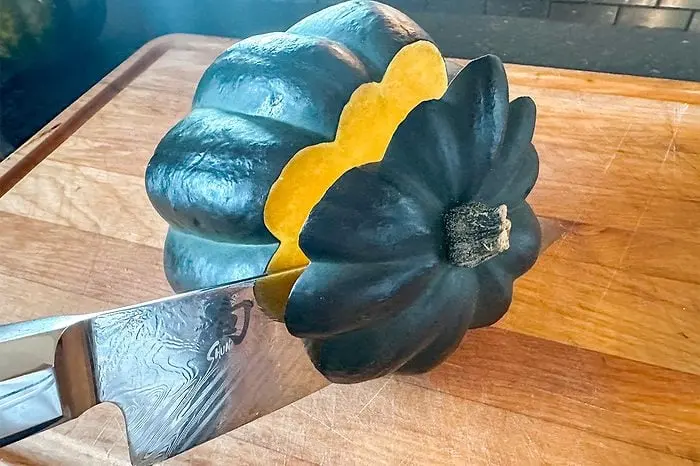
Winter Squash Cutting Made Simple With a Quick Heat Trick
How a Few Seconds of Heat Transforms the Cutting Process
Home cooks often struggle with tough winter squash like acorn or Hubbard varieties, which resist knives and demand extra effort. A simple method—applying brief heat to the squash’s surface—softens the rind enough to slice cleanly, turning a labor‑intensive task into a quick step before cooking. The technique works with any winter squash and requires only a kitchen torch or a hot skillet.
Latest news
 Prosciutto Elevates the Classic Grilled Cheese Sandwich
 Costco Frozen Shrimp Rivals Steakhouse Appetizers
 Skip Store‑Shelf German Chocolate for This Rich Duncan Hines Cake Mix
 Severed Sun: A Blood-Red Bourbon Halloween Cocktail
The heat‑softening trick takes advantage of the fact that the outer skin of winter squash hardens as it matures. By warming the area where the knife will cut, the cellulose fibers relax, allowing a standard chef’s knife to glide through without crushing the flesh. Experts suggest heating a small section for 10 to 15 seconds, then immediately making the cut. The method eliminates the need for heavy cleavers or time‑consuming pre‑soaking, and it keeps the interior of the squash intact, preserving flavor and texture for soups, roasts, or purees.
When a torch’s flame or a hot pan touches the squash, the temperature of the rind rises just enough to soften the tough outer layer. This localized heating does not cook the flesh; instead, it loosens the fibrous structure, reducing resistance. Chefs report that a single pass of a sharp knife after heating yields a clean slice, even on the most stubborn varieties. The technique also minimizes the risk of the knife slipping, a common safety concern when tackling hard squash. Home cooks who have tried the method note that it saves both time and effort, making winter squash more approachable for everyday meals.
Can This Heat Trick Replace Traditional Tools for All Squash Types?
While the heat method works well for most winter squashes, some exceptionally thick‑skinned pumpkins may still benefit from a sturdy cleaver. However, for the majority of household recipes—whether preparing butternut, acorn, or Hubbard squash—the quick‑heat approach offers a reliable alternative to heavy equipment. The simplicity of the trick means it can be taught to beginners, encouraging more people to experiment with seasonal produce. Moreover, the technique requires no additional ingredients, keeping the process clean and cost‑effective.
The adoption of this easy heat‑based method could change how home kitchens handle winter squash, turning a once‑daunting chore into a routine step. As more cooks share their successes on social platforms, the practice may become a standard tip in cooking classes and recipe books. In the long run, easier preparation could increase the popularity of winter squash dishes, supporting healthier eating habits during colder months.
Frequently Asked Questions
What tools are needed for the heat trick? A kitchen torch, a hot skillet, or even a stovetop burner can provide the necessary heat. No specialized equipment is required.
Is the squash cooked by the heat? No. The brief exposure only softens the rind; the interior remains raw and ready for your preferred cooking method.
Can I use this method on smaller squash like delicata? Yes, the technique works on any winter squash, though smaller varieties often need less heating time due to thinner skins.
Content written by Lindsay Parrill for fancy-meals.com editorial team, AI-assisted.