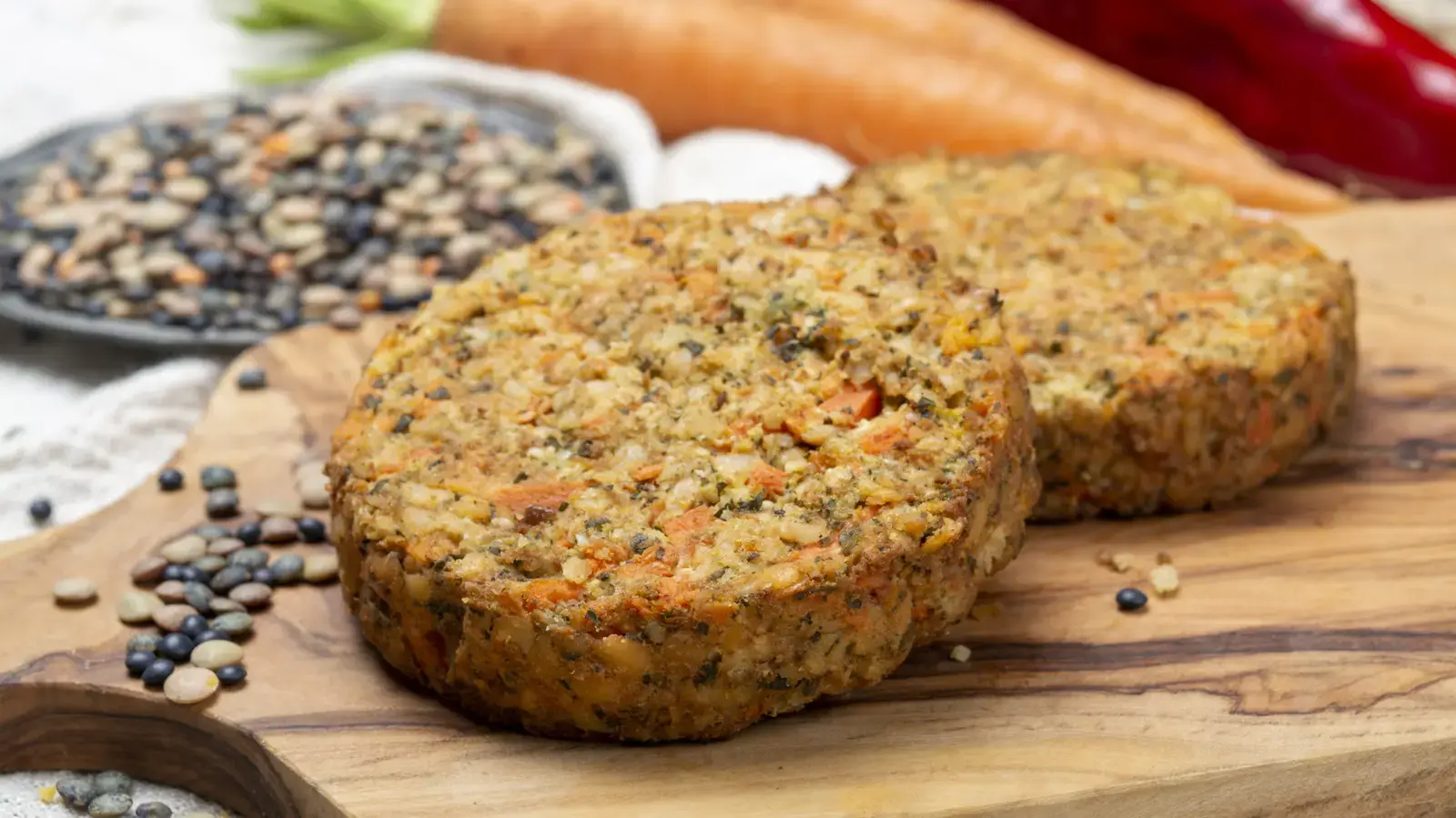
Veggie Burger Secrets: How to Cook Without Binders
Managing Moisture for Structural Integrity
Homemade vegetable patties often fall apart during cooking, frustrating many home cooks. This issue persists even for experienced chefs who avoid traditional binders like eggs or breadcrumbs. The problem stems from the lack of protein structure found in ground meat. Without these structural elements, vegetables release moisture easily. This liquid prevents ingredients from sticking together firmly. Consequently, the patty crumbles on the griddle or grill. Understanding this mechanical failure is the first step toward success.
Latest news
 The Ultimate Homemade Chili Recipe for Cold Weather
 The Nutritional Power of Pumpkin Beyond Seasonal Desserts
 A Culinary Journey Through the 30th Epcot International Food and Wine Festival
 Burger King Unleashes Hello Kitty Kids' Meal with Ultra-Rare Golden Collectible
The primary cause of crumbling lies in excess water content within vegetables. When heat is applied, this moisture expands and pushes ingredients apart. Standard binders absorb this liquid, but many people want to avoid them for dietary reasons. Gluten-free dieters often skip breadcrumbs. Egg allergies require skipping the classic binder. Some prefer plant-based options that do not rely on animal products. These groups need alternative methods to hold the patty shape. The solution involves managing moisture before cooking begins.
The most effective technique involves removing water from vegetable ingredients. Patting wet vegetables dry helps significantly. Squeezing excess liquid out of cooked vegetables is crucial. For example, sautéed mushrooms release substantial water. If this liquid remains, the patty becomes soggy and weak. You should let cooked vegetables cool completely before mixing. Warm ingredients melt fats and create slushy mixtures. This slush prevents proper cohesion. Another method is using a starchy vegetable as a natural glue. Mashed potatoes contain starch that binds other components. Adding a small amount of potato to the mix creates a sticky matrix. This holds grains, beans, or lentils together without external additives.
Why Do Patties Still Break Apart?
Texture plays a vital role in stability. Coarse textures slide past each other easily. Fine textures interlock better under pressure. Processing vegetables into a coarse paste rather than a fine puree helps. This creates friction between particles. Friction acts as a temporary binding force. Pressing the patty firmly into a mold also aids stability. Using a ring mold ensures uniform thickness. Uniform thickness promotes even cooking. Uneven patties cook at different rates, causing internal steam bursts. These bursts push the patty apart from the inside. Pre-cooking the patty slightly can set its shape. A brief microwave session firms up the exterior. This allows the patty to hold together on the grill.
Even with moisture control, some breakage occurs. This usually happens if the patty is too thick. Thick centers stay raw while edges burn. Raw centers lack structural integrity. Keeping patties thin, around half an inch, solves this. Thin patties cook through quickly and evenly. They develop a crust that seals the interior. This crust provides the necessary rigidity. Flipping the patty too early also causes damage. Wait until a golden brown crust forms. This crust acts as a protective shell. It holds the soft center in place. Rushing the flip tears the fragile structure. Patience during the first few minutes is essential.
Home cooks can now enjoy sturdy veggie burgers without relying on eggs or gluten. The key lies in aggressive moisture removal and texture management. By squeezing out liquid and using starches, you create a cohesive mass. Thin patties and proper searing ensure final stability. This approach satisfies dietary restrictions while delivering a satisfying meal. Future recipes should focus on dry ingredients and precise timing. Mastering these basics eliminates the frustration of crumbling patties. Frequently Asked Questions Can I use flour as a binder? Yes, a small amount of flour absorbs moisture and stiffens the mixture. However, it adds gluten, which may not suit all diets. How long should I pre-cook the patty? Microwave for thirty seconds to one minute. This sets the outer layer without fully cooking the center. Is cornstarch a good alternative? Cornstarch works well as a thickener. It creates a gel-like structure that holds ingredients together effectively.
Content written by Isabelle Fontaine for fancy-meals.com editorial team, AI-assisted.