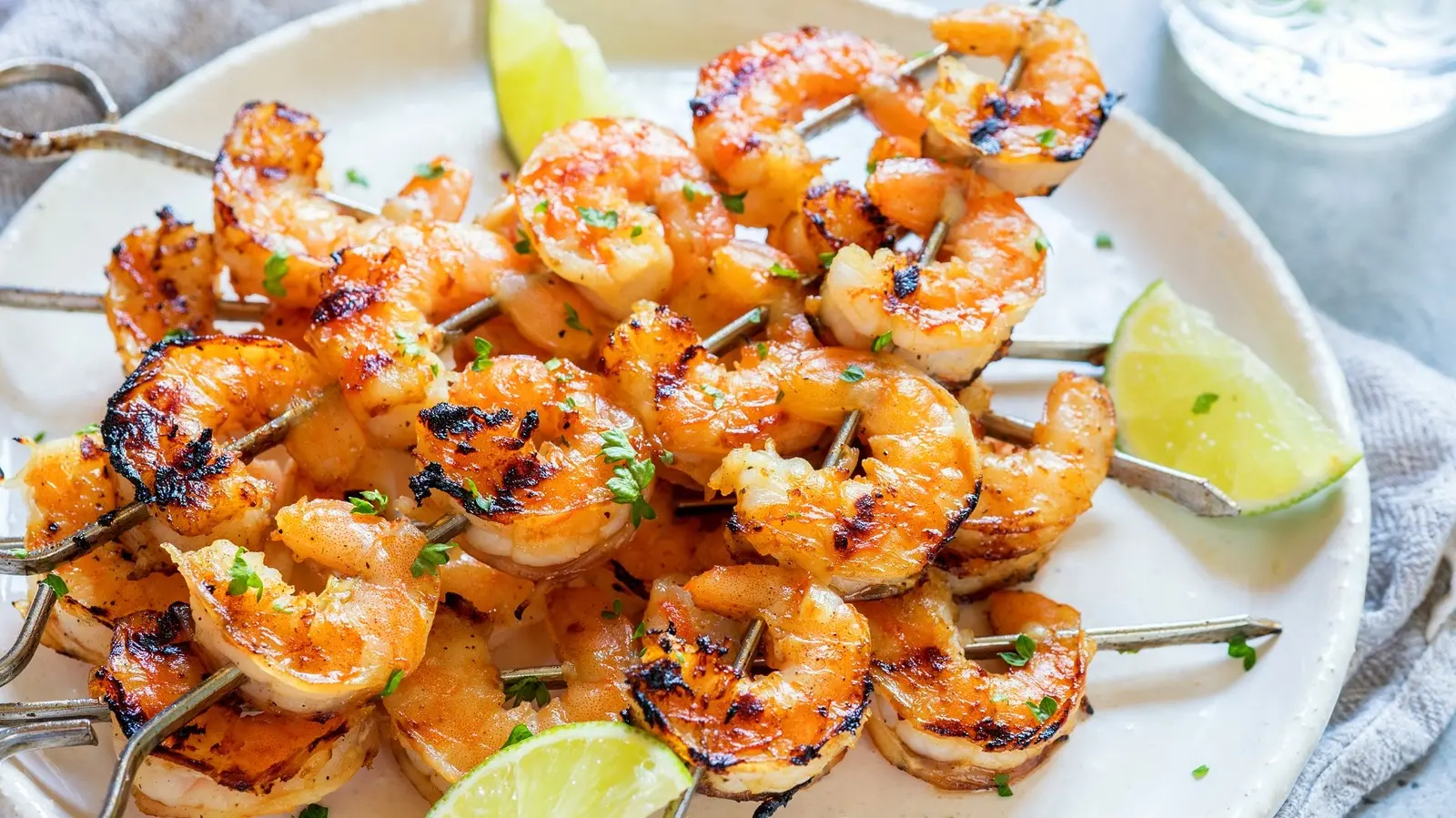
Use This Type Of Mustard For A Top-Tier Shrimp Marinade
Why Dijon Works Better Than Yellow Mustard
A simple mustard-based marinade can elevate shrimp from ordinary to exceptional with minimal effort. Food writer Amber Sutherland-Namako recommends using Dijon mustard as the foundation for a quick, flavorful coating that complements the delicate taste of shrimp without overpowering it. The technique works well for various cooking methods including grilling, searing, or roasting, making it ideal for busy weeknights or last-minute entertaining.
Latest news
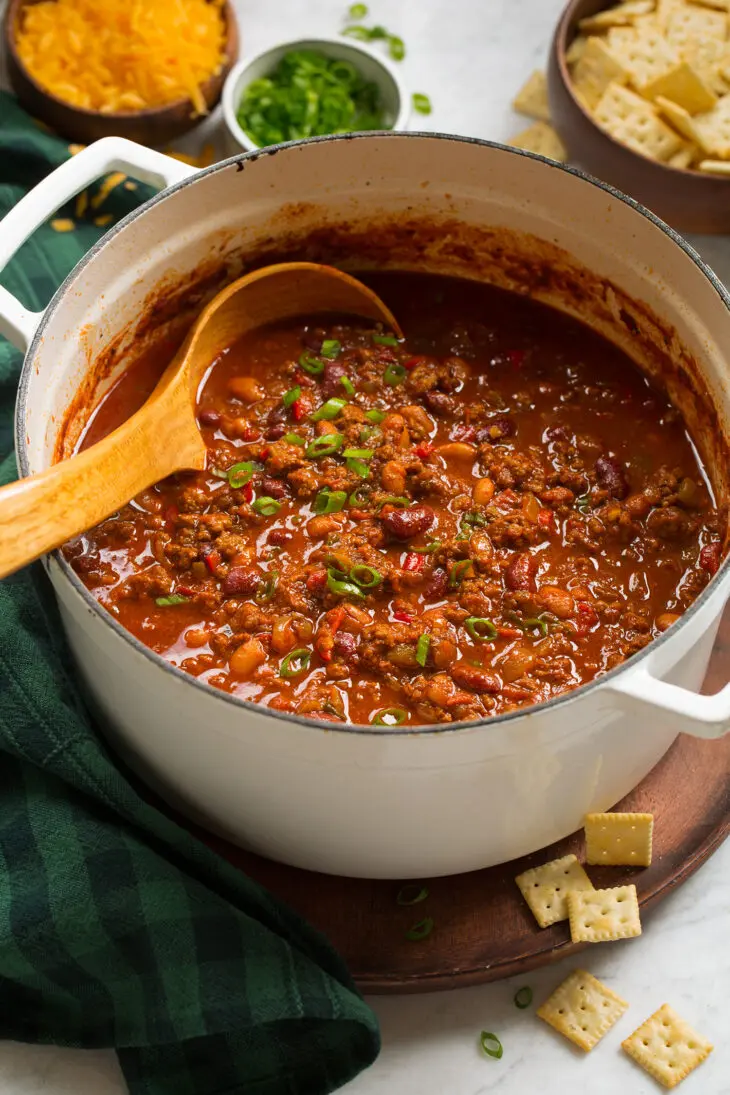 The Ultimate Homemade Chili Recipe for Cold Weather
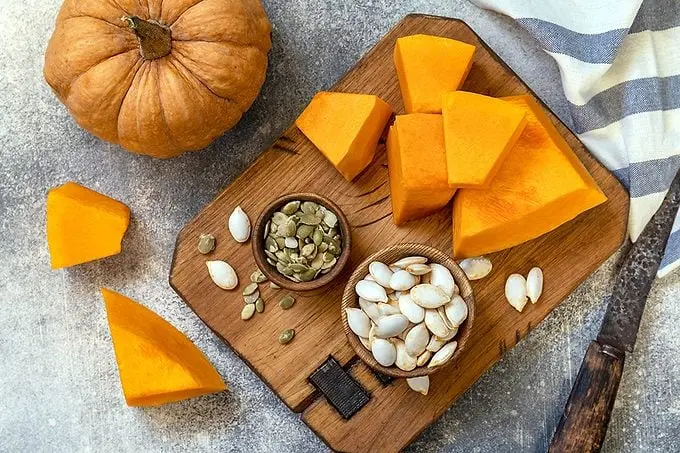 The Nutritional Power of Pumpkin Beyond Seasonal Desserts
 A Culinary Journey Through the 30th Epcot International Food and Wine Festival
 Burger King Unleashes Hello Kitty Kids' Meal with Ultra-Rare Golden Collectible
Dijon mustard provides a tangy depth that balances the natural sweetness of shrimp while helping other seasonings adhere during cooking. Its emulsifying properties create a light crust that locks in moisture, preventing the shrimp from drying out despite their fast cooking time. Sutherland-Namako suggests combining the mustard with olive oil, garlic, lemon zest, and fresh herbs like parsley or thyme for a bright, aromatic profile. The acidity from lemon juice or vinegar in the mustard also helps tenderize the shrimp slightly, enhancing texture without making it mushy.
How Long Should You Marinate Shrimp?
Unlike yellow mustard, which contains turmeric and vinegar that can impart a sharp, one-note flavor, Dijon offers a smoother, more complex taste derived from brown or black mustard seeds soaked in white wine or verjuice. This refinement allows it to blend seamlessly with complementary ingredients rather than dominate them. Sutherland-Namako notes that yellow mustard’s higher vinegar content can sometimes cause shrimp to toughen if marinated too long, whereas Dijon’s milder acidity is more forgiving. She advises limiting marination to 15–30 minutes to maintain tenderness.
Given shrimp’s delicate structure, extended marination in acidic ingredients can begin to cookthe surface, leading to a rubbery texture. For mustard-based marinades, Sutherland-Namako recommends no more than 30 minutes, with 15–20 minutes being optimal for flavor penetration without compromising texture. She emphasizes patting the shrimp dry before cooking to ensure proper browning, as excess moisture can steam the shrimp instead of searing it. Cooking time remains brief—typically 2–3 minutes per side over medium-high heat—depending on size and method.
Can I use whole grain mustard instead of Dijon? Yes, but it will add texture and a slightly milder flavor; blend it smoothly if you prefer a uniform coating.
Frequently Asked Questions
Is it safe to marinate shrimp at room temperature? No, always marinate shrimp in the refrigerator to prevent bacterial growth, especially since seafood is highly perishable.
What if I don’t have fresh herbs? Dried herbs work in a pinch—use one-third the amount—and add them to the marinade early to allow rehydration and flavor release.
Content written by Henry Cross for fancy-meals.com editorial team, AI-assisted.