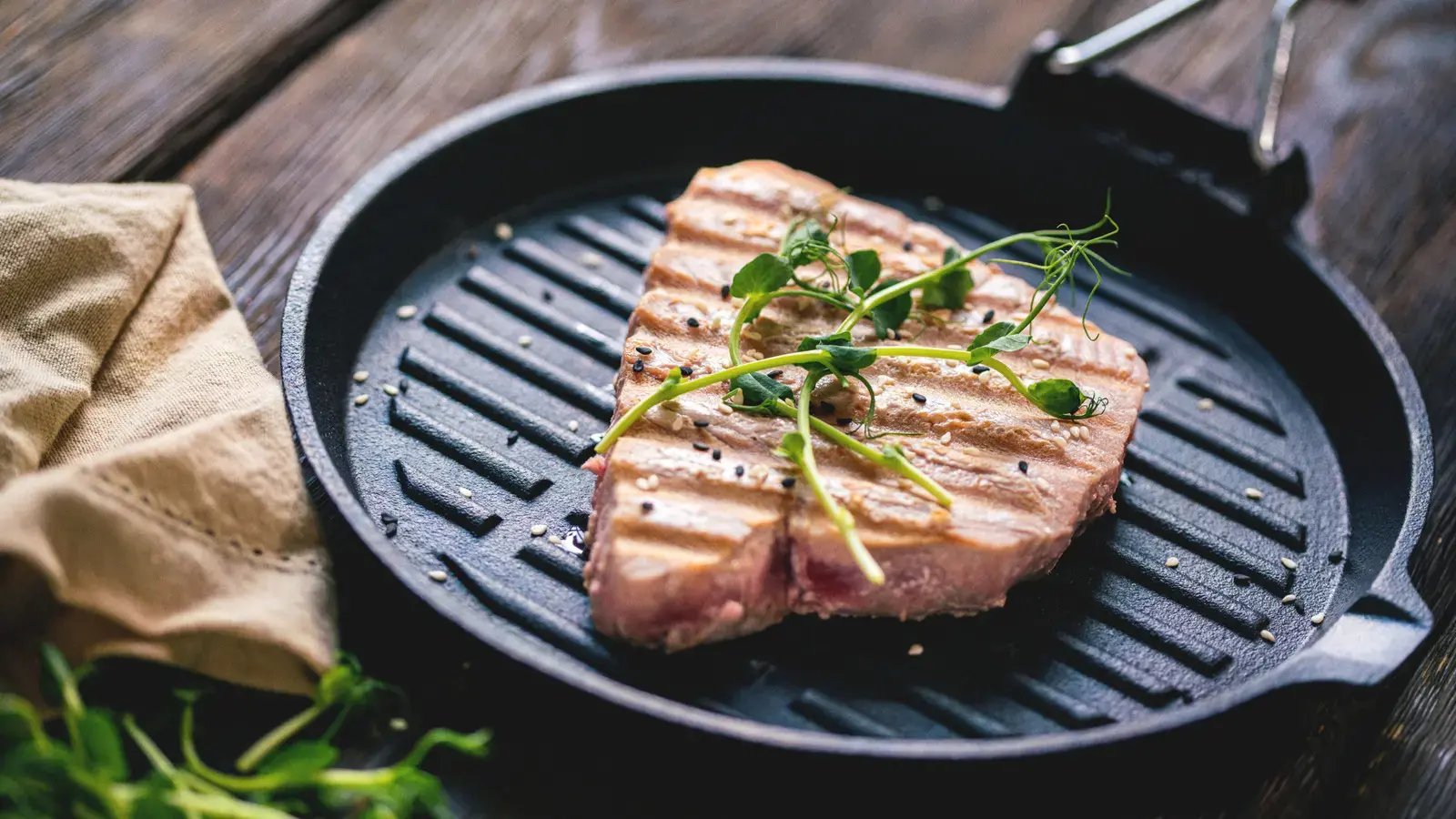
This Meaty Cut Of Tuna Can Rival Beef With A Technique That's Easy To Master
Why the Collar Cut Deserves a Second Look
A specific cut of tuna often overlooked in the United States is gaining attention for its beef-like qualities when prepared correctly. Chefs and home cooks are discovering that this underutilized portion, when treated with a simple method, delivers a rich, satisfying texture and flavor profile that rivals traditional steak. The technique requires minimal equipment and can be learned quickly, making it accessible for everyday cooking.
Latest news
 The Ultimate Homemade Chili Recipe for Cold Weather
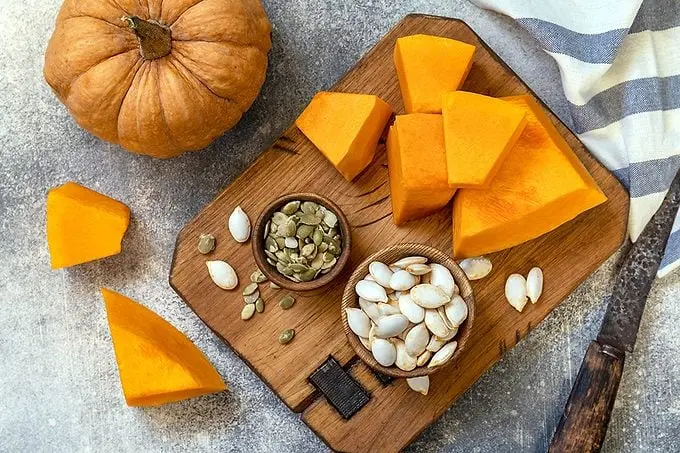 The Nutritional Power of Pumpkin Beyond Seasonal Desserts
 A Culinary Journey Through the 30th Epcot International Food and Wine Festival
 Burger King Unleashes Hello Kitty Kids' Meal with Ultra-Rare Golden Collectible
The cut in question comes from the tuna’s collar area, a section frequently discarded during processing due to its irregular shape and higher fat content compared to loins. Despite being passed over in many U. S. markets, this part of the fish is prized in Japanese cuisine for its marbled appearance and deep umami taste. When seared properly, it develops a crust similar to a well-cooked ribeye while remaining tender and juicy inside.
Unlike leaner tuna steaks that can dry out quickly, the collar contains intramuscular fat that melts during cooking, enhancing both flavor and mouthfeel. This natural marbling allows it to withstand higher heat without becoming tough, a common issue with other tuna preparations. Advocates of nose-to-tail eating highlight this cut as an example of reducing waste while unlocking unexpected culinary potential. Its affordability, often priced lower than premium loins, adds to its appeal for budget-conscious cooks seeking high-impact results.
How Do You Prepare Tuna Collar for Maximum Flavor?
The recommended approach involves a brief marination in soy sauce, mirin, and ginger, followed by a hot sear in a cast-iron pan or on a grill. Cooking time is short—typically two to three minutes per side—depending on thickness, to achieve a caramelized exterior and medium-rare interior. Resting the meat for a few minutes after cooking allows juices to redistribute, ensuring each bite remains moist. Some cooks finish it with a squeeze of citrus or a sprinkle of sesame seeds to brighten the rich taste.
As interest in sustainable seafood grows, the tuna collar represents a shift toward valuing the whole fish. Its rising popularity in specialty markets and cooking tutorials reflects a broader trend of reimagining overlooked ingredients. With minimal effort, this once-discarded cut offers a delicious, environmentally conscious alternative to beef that satisfies both the palate and the principle of using food resources wisely.
Frequently Asked Questions
What part of the tuna is the collar cut? The collar is located just behind the head and includes the area around the pectoral fins, known for its rich fat content and distinctive texture.
Is tuna collar safe to eat rare or medium-rare? Yes, when sourced fresh and handled properly, tuna collar can be safely consumed at medium-rare, similar to other high-quality tuna cuts, due to its low risk of parasitic contamination when handled under strict freshness standards.
Can this technique work with other fish collars? While the method is most effective with tuna due to its fat density, similar results can be achieved with collars from fatty fish like salmon or mackerel, though cooking times may vary slightly based on thickness and oil content.
Content written by [email protected] (A.J. Forget) for fancy-meals.com editorial team, AI-assisted.