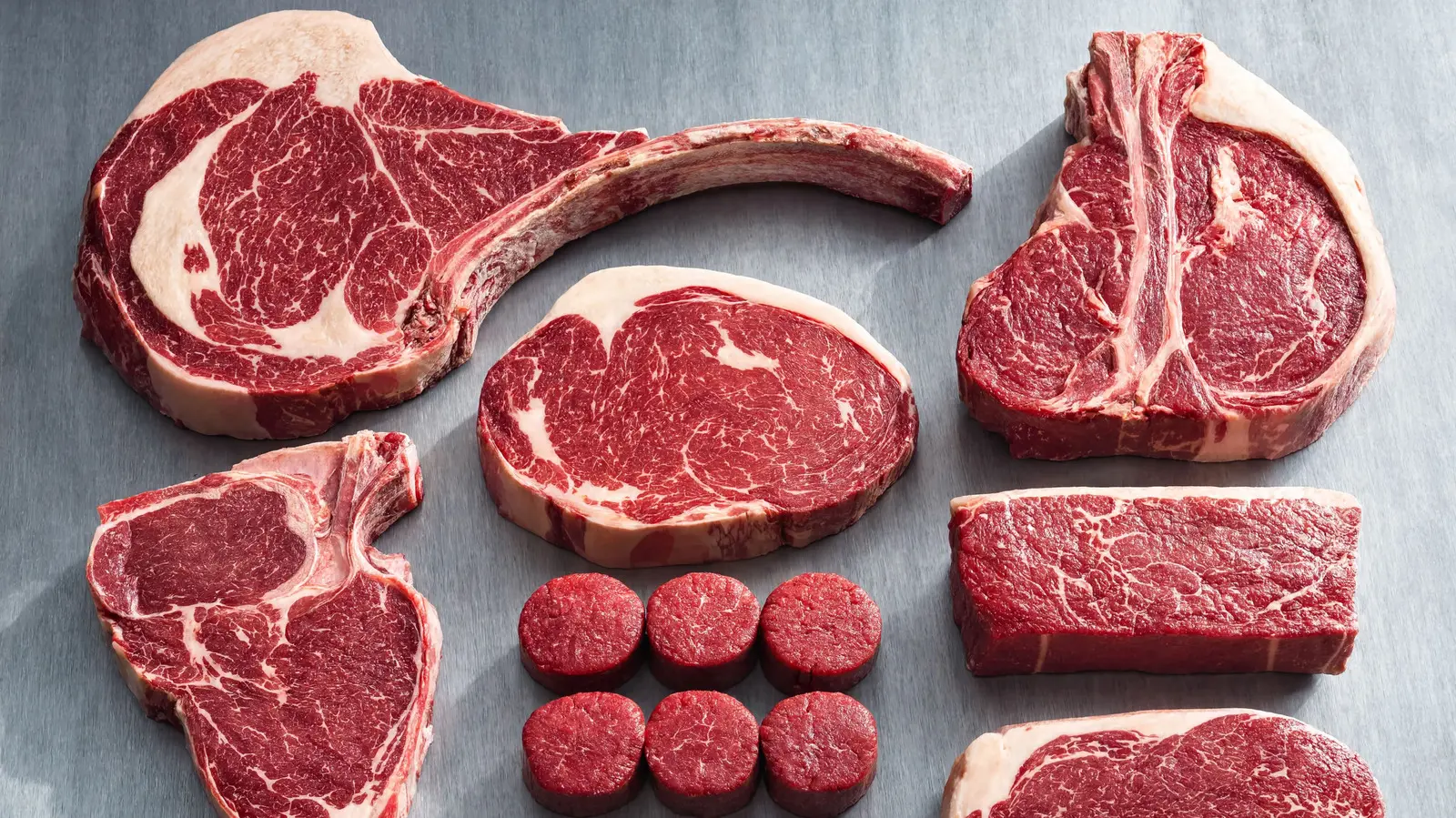
The Superior Tenderloin Alternative That Rivals Filet Mignon
Why the Chateaubriand Offers More
For steak enthusiasts who prioritize tenderness above all else, the filet mignon has long been the gold standard. Sourced from the tenderloin, this prized cut is renowned for its buttery texture. However, a larger, equally succulent alternative is gaining popularity among culinary experts seeking a more substantial dining experience.
Latest news
 Anthony Bourdain’s Most Unforgettable Meals on „No Reservations”
 Mastering the Art of Perfect Pie Baking
 Chocolate Peppermint Whoopie Pies: Holiday Treats Made Easy With Boxed Mix
 Ree Drummond Shares 10 Tips for the Perfect Thanksgiving Turkey
The filet mignon originates from the narrow end of the tenderloin muscle. Because this muscle supports very little weight during the animal's life, it remains incredibly soft. While filet mignon is often praised for its delicate mouthfeel, it is frequently criticized for its small portion size and lack of intense, deep beef flavor.
The Chateaubriand is carved from the thick, center portion of the same tenderloin muscle. This cut provides the same legendary tenderness found in a filet mignon but offers a much larger surface area. It is typically served as a roast, making it an ideal centerpiece for formal dinners.
Is This the Ultimate Luxury Steak?
Because of its thickness, the Chateaubriand retains moisture more effectively during the cooking process. It offers a more robust eating experience without sacrificing the refined texture that tenderloin lovers demand. Chefs often prefer this cut because it allows for more precise control over the internal temperature.
Many diners wonder if the Chateaubriand is simply a larger filet mignon. While they share the same muscle origin, the preparation method makes all the difference. The Chateaubriand is traditionally seared and finished in the oven, ensuring a perfect crust that contrasts with the tender, pink center.
Frequently Asked Questions
Choosing this cut means you no longer have to compromise between portion size and quality. As more home cooks discover the benefits of the central tenderloin, the Chateaubriand is rapidly becoming the preferred choice for special occasions. It elevates the standard steakhouse experience by providing a more satisfying and generous serving.
What is the main difference between these two cuts? The primary difference is the location on the tenderloin and the resulting size. Filet mignon comes from the small end, while the Chateaubriand comes from the thick, center portion.
Is the Chateaubriand harder to cook properly? Because it is thicker, it requires careful heat management to ensure the center reaches the desired temperature. Using a meat thermometer is recommended to avoid overcooking the exterior.