
The Secret to Crafting Restaurant-Quality Baked Potatoes at Home
Mastering the Steakhouse Texture
Home cooks often struggle to replicate the perfect baked potato found in popular steakhouse chains. While basic spuds are filling, achieving that signature creamy interior and seasoned, flavorful skin requires specific techniques. By mimicking professional kitchen methods, anyone can elevate this humble side dish into a restaurant-worthy experience right in their own kitchen.
Latest news
 Anthony Bourdain’s Most Unforgettable Meals on „No Reservations”
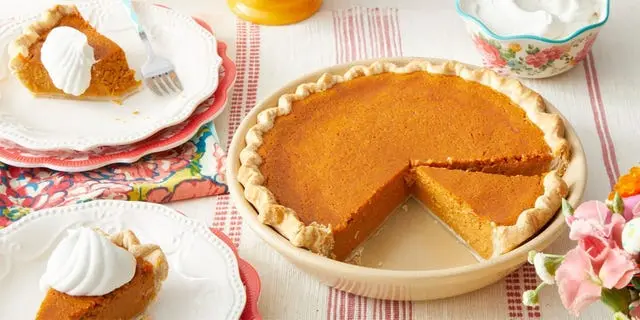 Mastering the Art of Perfect Pie Baking
 Chocolate Peppermint Whoopie Pies: Holiday Treats Made Easy With Boxed Mix
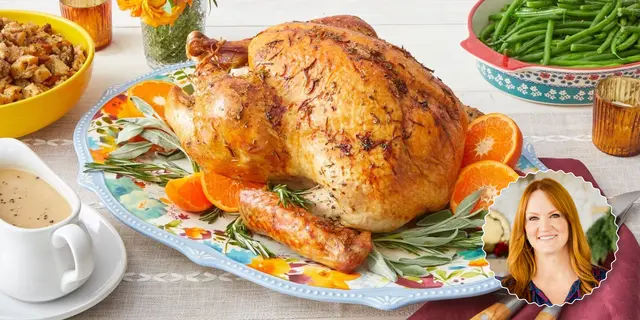 Ree Drummond Shares 10 Tips for the Perfect Thanksgiving Turkey
Achieving the ideal texture starts with selecting the right potato and preparing the exterior properly. Professionals emphasize cleaning the skin thoroughly before coating it in oil and salt. This process ensures the skin remains crispy rather than soggy while the inside stays fluffy. Many home chefs overlook this step, resulting in a bland and uninspired final product.
The secret often lies in the oven temperature and the timing of the seasoning. High heat is essential to crisp the skin while the internal starch cooks through evenly. Wrapping potatoes in foil is a common mistake that steams the vegetable instead of baking it. Leaving the potato unwrapped allows moisture to escape, which creates the light, airy texture associated with high-end dining.
Why Does Foil Ruin Your Spuds?
Once the potato is cooked, the finishing touches determine the final flavor profile. A generous amount of high-quality butter, sharp cheddar cheese, and fresh chives are standard additions. These ingredients penetrate the hot, fluffy center, creating a rich and savory bite. Properly scoring the potato before adding toppings ensures the flavors distribute evenly throughout the entire dish.
Many home cooks rely on foil to speed up the cooking process or keep potatoes warm. However, foil traps moisture and creates a steamed, gummy texture that lacks the signature crunch of a steakhouse potato. Removing the foil allows the skin to dehydrate slightly, which is the key to achieving that perfect, crackling exterior.
Mastering these simple adjustments transforms a basic pantry staple into a standout meal component. With the right technique, you can consistently produce potatoes that rival those served in professional dining establishments. This method requires no special equipment, only patience and attention to the basic principles of heat and moisture control.
Frequently Asked Questions
What is the best potato variety for baking? Russet potatoes are the gold standard for baking because of their high starch content. This variety provides the fluffy, light interior texture that holds toppings well without becoming dense.
Should I poke holes in the potato before baking? Yes, piercing the skin with a fork is essential. This allows steam to escape during the cooking process, which prevents the potato from bursting in the oven.
How do I know when the potato is fully cooked? The potato is ready when a knife slides easily into the center with no resistance. It should feel soft to the touch when gently squeezed with an oven mitt.