
The Science Behind Commercial Ketchup Consistency
The Role of Hydrocolloids and Starches
Home cooks often struggle to replicate the signature thickness of store-bought ketchup. While homemade versions frequently turn out thin or watery, industrial manufacturers utilize specific food science techniques to achieve that perfect, slow-pouring texture. Understanding these methods reveals why your kitchen-made condiment rarely matches the viscosity of your favorite bottled brand.
Latest news
 Prosciutto Elevates the Classic Grilled Cheese Sandwich
 Costco Frozen Shrimp Rivals Steakhouse Appetizers
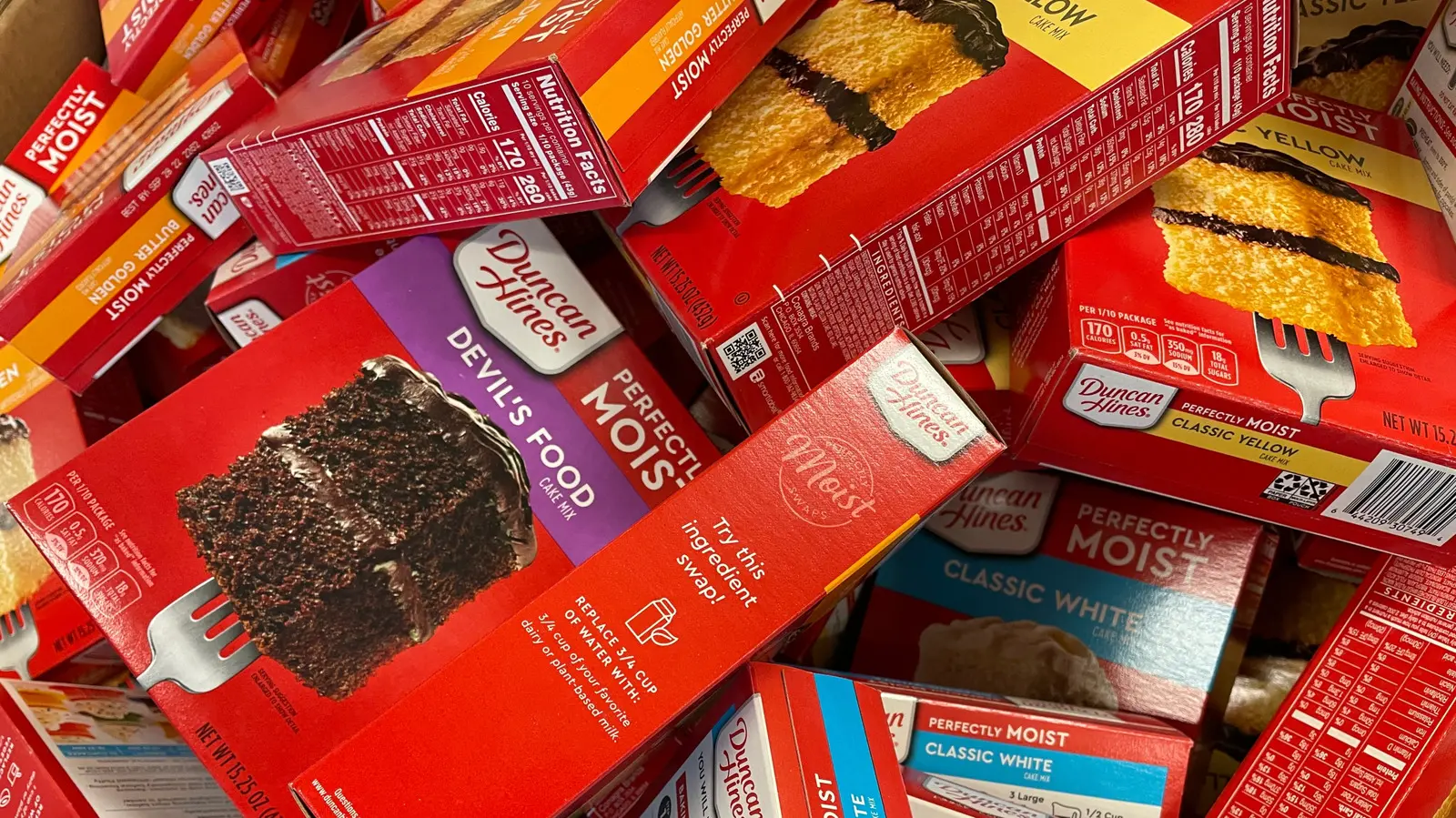 Skip Store‑Shelf German Chocolate for This Rich Duncan Hines Cake Mix
 Severed Sun: A Blood-Red Bourbon Halloween Cocktail
Commercial producers rely on a combination of high-solids content and specialized thickening agents to stabilize their product. The process begins with concentrated tomato paste, which provides a denser foundation than fresh tomatoes. By carefully managing the ratio of solids to liquid, manufacturers ensure the sauce maintains its structural integrity while remaining pourable.
Beyond simple reduction, food scientists incorporate hydrocolloids like xanthan gum to improve mouthfeel and stability. These additives act as thickening agents that prevent the sauce from separating over time. They create a suspension that holds the tomato particles in place, resulting in the uniform, glossy appearance consumers expect from a shelf-stable bottle.
Can You Achieve Industrial Thickness at Home?
Thermal processing also plays a critical role in achieving the desired consistency. Factories use vacuum evaporation to remove excess moisture without scorching the tomato base. This method preserves the vibrant red color and fresh flavor profile while significantly increasing the viscosity of the final product.
Replicating this texture at home is difficult because most kitchens lack vacuum evaporation equipment. You can improve your results by simmering your sauce longer to reduce water content or by incorporating natural starches. However, achieving the exact suspension found in commercial bottles usually requires food-grade stabilizers that are rarely used in standard home recipes.
Frequently Asked Questions
The pursuit of the perfect ketchup consistency highlights the gap between artisanal cooking and industrial food engineering. While homemade ketchup offers superior flavor control, the specific texture of commercial brands remains a product of precise laboratory formulation. Most home cooks find that accepting a slightly thinner consistency is a fair trade for the fresh, preservative-free taste of a homemade batch.
Why is homemade ketchup usually thinner than store-bought versions? Homemade ketchup lacks the industrial vacuum evaporation and food-grade stabilizers used in factories. These commercial processes remove excess moisture and create a stable, thick suspension that is hard to replicate manually.
Can I use cornstarch to thicken my homemade ketchup? Yes, you can add a small amount of cornstarch or arrowroot powder to your recipe. Be careful to cook it thoroughly so the sauce does not develop a starchy or pasty texture.
Content written by Victoria Lane for fancy-meals.com editorial team, AI-assisted.