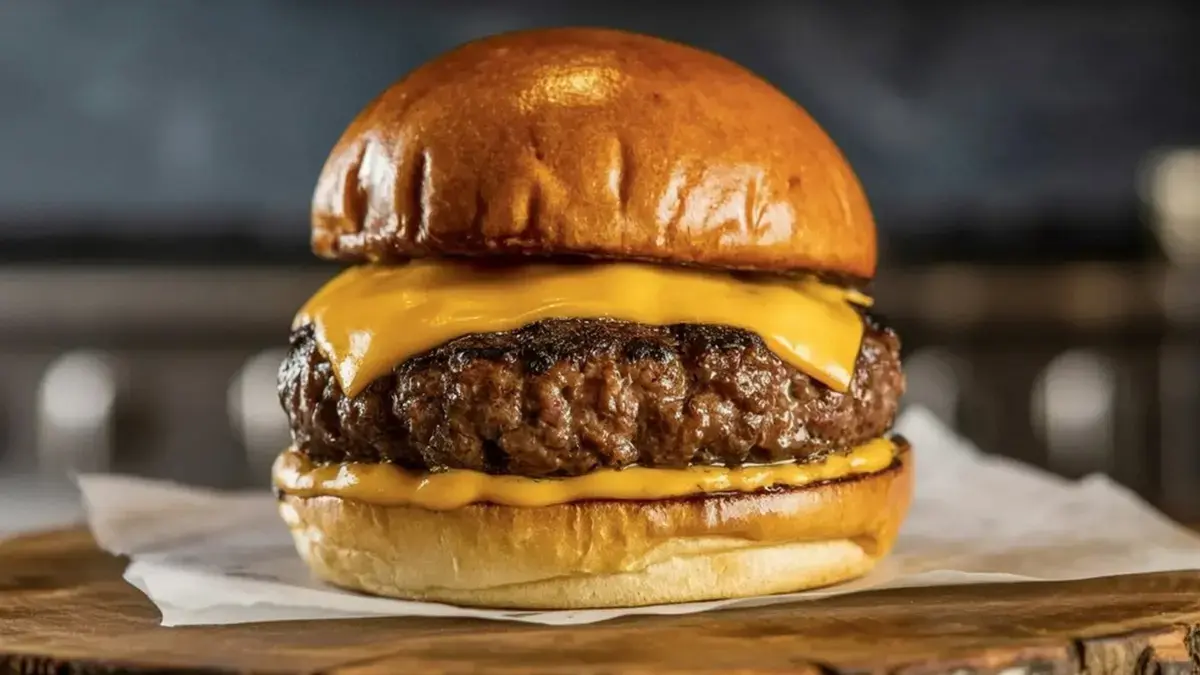
The Perfect Cheeseburger Grilling Technique
The Science of Searing
As summer arrives, backyard barbecues become a staple of social gatherings. Home cooks often struggle to achieve the ideal burger. Getting it right is a matter of technique.
Latest news
 The Ultimate Homemade Chili Recipe for Cold Weather
 The Nutritional Power of Pumpkin Beyond Seasonal Desserts
 A Culinary Journey Through the 30th Epcot International Food and Wine Festival
 Burger King Unleashes Hello Kitty Kids' Meal with Ultra-Rare Golden Collectible
Barbecuing at home is often viewed as straightforward, but achieving a juicy cheeseburger with a crispy crust requires more finesse. Simply slapping burgers onto the grill and flipping them doesn't guarantee the desired outcome.
Can You Grill a Perfect Burger Every Time?
A crusty exterior and juicy interior are achieved by controlling the grilling process. Searing the burger at high heat creates the crust, while finishing it at a lower temperature keeps the inside juicy. This method prevents the burger from cooking too quickly, which can lead to a dry patty.
To achieve the perfect sear, the grill should be preheated to a high temperature. The burgers should be cooked for a short time on the first side to create a crust, then flipped and finished at a lower heat. Adding cheese towards the end of cooking allows it to melt without overcooking the burger.
Consistency is key to grilling the perfect burger. Factors such as patty thickness, grill temperature, and cooking time all play a role. By mastering these elements, home cooks can achieve a consistently great burger.
Frequently Asked Questions
With practice and patience, anyone can become a grill master. The result is a deliciously juicy cheeseburger with a crispy crust that's sure to impress.
What's the ideal grill temperature for a cheeseburger? The grill should be preheated to a high temperature, around 400°F, for searing. How long should I cook my burger? Cooking time varies depending on patty thickness and desired doneness, but a general rule is 4-5 minutes per side. Can I use this method for other types of burgers? Yes, this technique can be applied to various burger types, including turkey and veggie burgers, with adjustments made for cooking time and temperature.
Content written by Isabelle Fontaine for fancy-meals.com editorial team, AI-assisted.