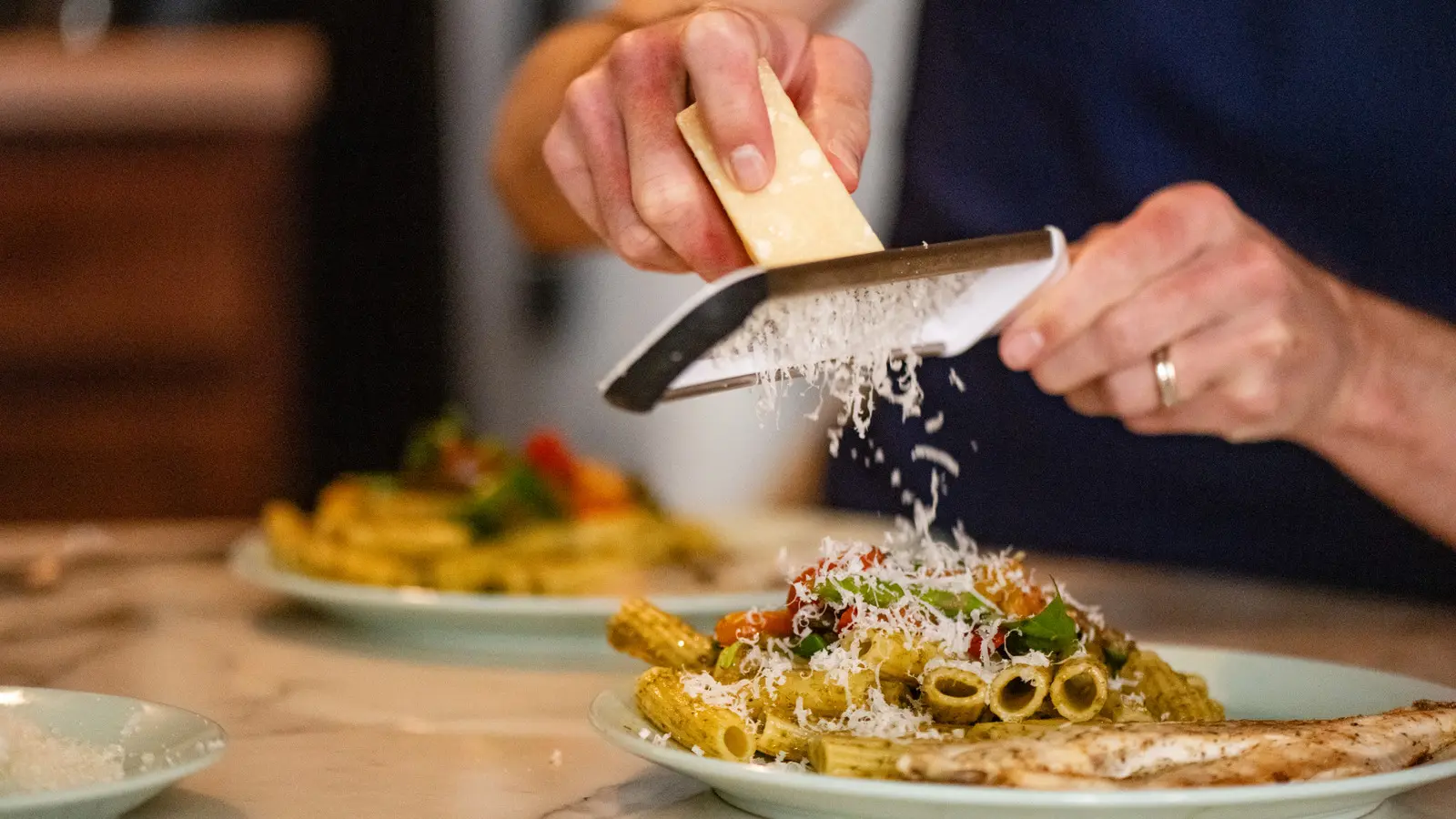
The Major Mistake Almost Everyone Makes When Adding Cheese To Pasta (It's So Simple)
Instead, the hot pasta water, reserved before draining
Cheese and pasta are a classic combination, but many home cooks ruin the dish by adding cheese at the wrong time. This simple error prevents the sauce from emulsifying properly, resulting in a clumpy or greasy texture instead of a smooth, creamy coating. The mistake is especially common with dishes like cacio e pepe, where technique is everything. The key to a perfect cheese pasta sauce lies in timing and temperature. Cheese should be added off the heat, after the pasta is cooked and drained, but while it's still hot enough to melt the cheese gently. Adding cheese directly to a hot pan can cause the proteins to seize and the fats to separate, breaking the emulsion.
Latest news
 The Ultimate Homemade Chili Recipe for Cold Weather
 The Nutritional Power of Pumpkin Beyond Seasonal Desserts
 A Culinary Journey Through the 30th Epcot International Food and Wine Festival
 Burger King Unleashes Hello Kitty Kids' Meal with Ultra-Rare Golden Collectible
Instead, the hot pasta water, reserved before draining, should be used to help create a silky sauce when combined with the cheese off the burner. Why Reserved Pasta Water Matters The starch in the pasta water acts as a natural emulsifier, binding the cheese and fat together into a cohesive sauce. Without it, the cheese tends to clump or sit on top of the pasta rather than clinging to each strand. Experts recommend adding the water gradually, a few tablespoons at a time, while tossing the pasta and cheese together in the bowl. This method allows the sauce to thicken evenly and coat the pasta uniformly. How Can You Tell If Your Sauce Is Emulsified? A properly emulsified sauce will look glossy and smooth, with no visible oil separation or lumps. It should cling to the pasta like a light cream, not slide off in pools.
If the sauce appears broken, adding a bit more warm pasta water and vigorous
If the sauce appears broken, adding a bit more warm pasta water and vigorous tossing can often rescue it. The goal is a sauce that feels luxurious but not heavy, enhancing the pasta without overpowering it. Frequently Asked Questions Why does adding cheese to hot pasta cause clumping? Direct heat can cause the cheese proteins to tighten and expel fat, leading to a grainy or oily texture. Low heat or residual warmth is better for smooth melting. Can I use any type of pasta water for the sauce? Yes, as long as it's starchy and warm. The water from boiling pasta contains enough starch to help emulsify the sauce when combined with cheese off the heat. Is it necessary to grate the cheese finely? Finely grated cheese melts more evenly and quickly, reducing the risk of clumping. Coarse shreds may not incorporate smoothly into the sauce.
Content written by Tasting Table for fancy-meals.com editorial team, AI-assisted.