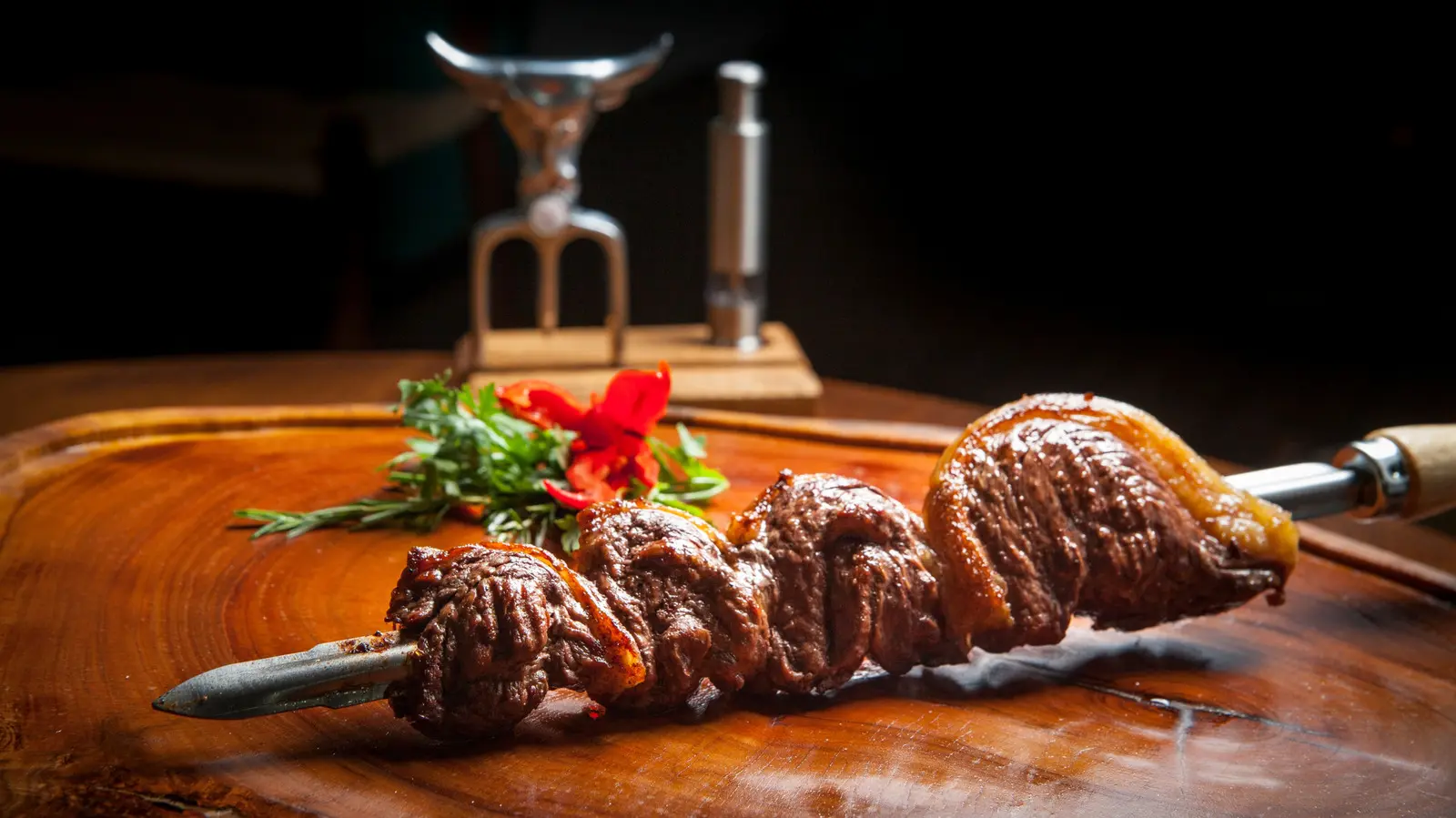
The Juicy Picanha: Brazil’s Signature Steakhouse Cut
Why Picanha Remains the Star of Brazilian Churrasco
Picanha, a triangular beef cap prized for its rich flavor, appears on every Brazilian churrascaria menu. Visitors to these all‑you‑can‑eat meat houses in São Paulo, Rio or abroad will see servers carving thick slices from a large, fat‑capped roast, often seasoned simply with coarse salt. The cut’s popularity stems from its tender texture and the way the thin fat layer melts into the meat during the high‑heat grill, delivering a juicy, smoky bite that defines the churrasco experience.
Latest news
 The Ultimate Homemade Chili Recipe for Cold Weather
 The Nutritional Power of Pumpkin Beyond Seasonal Desserts
 A Culinary Journey Through the 30th Epcot International Food and Wine Festival
 Burger King Unleashes Hello Kitty Kids' Meal with Ultra-Rare Golden Collectible
The tradition dates back to Brazil’s rural cattle farms, where butchers trimmed the top sirloin cap for local consumption. Over time, the cut migrated to urban steakhouses, becoming a hallmark of the country’s dining culture. Its name, „picanha,” is believed to derive from the Portuguese verb „picar,” meaning „to cut,” reflecting the way diners slice it at the table. Chefs favor picanha because the fat renders evenly on the open‑flame rotisserie, creating a caramelized crust while keeping the interior medium‑rare. The simple seasoning—just sea salt—allows the beef’s natural taste to shine, and many restaurants serve it whole, letting guests request their preferred thickness.
In Brazil, picanha is more than a menu item; it’s a cultural symbol of hospitality and celebration. Restaurants often present the whole roast on a large skewer, rotating it over charcoal until the fat forms a crisp, golden rind. When the meat reaches the ideal temperature, staff carve thin, mouth‑watering slices onto plates. „The moment the fat starts to crack, you know the picanha is ready,” says chef Marcos Silva of Rio’s famed Fogo de Chão. This ritual creates a communal atmosphere, as diners share the same cut, passing plates around the table. The simplicity of the preparation also makes picanha adaptable to various side dishes, from grilled vegetables to traditional farofa, enhancing its appeal across diverse palates.
Can You Find Authentic Picanha Outside Brazil?
Travelers often wonder whether the picanha served abroad matches the quality of its Brazilian counterpart. While many international churrascarias import the cut from South American farms, variations in grading and fat thickness can affect flavor. In the United States, for example, USDA regulations sometimes require trimming the fat cap to meet local standards, which can diminish the signature juiciness. However, specialty meat suppliers now offer „Brazilian‑style” picanha with the full fat layer intact, catering to chefs who aim to replicate the authentic experience. Diners seeking the true taste should look for restaurants that source the meat directly from Brazilian ranches and grill it over charcoal rather than gas.
As global interest in Brazilian cuisine grows, picanha’s reputation as a must‑try steak continues to rise. Food enthusiasts are increasingly demanding higher‑quality imports, prompting more farms to export the cut with its traditional fat cap preserved. This trend suggests that future churrascarias worldwide will offer a more faithful rendition of Brazil’s beloved beef, keeping the ritual of carving and sharing alive for generations to come.
Frequently Asked Questions
What part of the cow does picanha come from? Picanha is cut from the top of the rump, specifically the fat‑capped portion of the sirloin cap, known for its tenderness and flavor.
How should picanha be cooked for optimal taste? The traditional method grills the whole roast over charcoal, allowing the fat to melt and crisp while the interior stays medium‑rare; thin slices are then served.
Is picanha suitable for home cooking? Yes, home chefs can season a whole picanha with salt, grill it on a high‑heat barbecue, and slice it thinly once the fat renders and the meat reaches the desired doneness.
Content written by [email protected] (Claire Coit) for fancy-meals.com editorial team, AI-assisted.