The Family-Owned Company Supplying Eggs to McDonald's
How Does a Family Farm Meet Corporate Standards
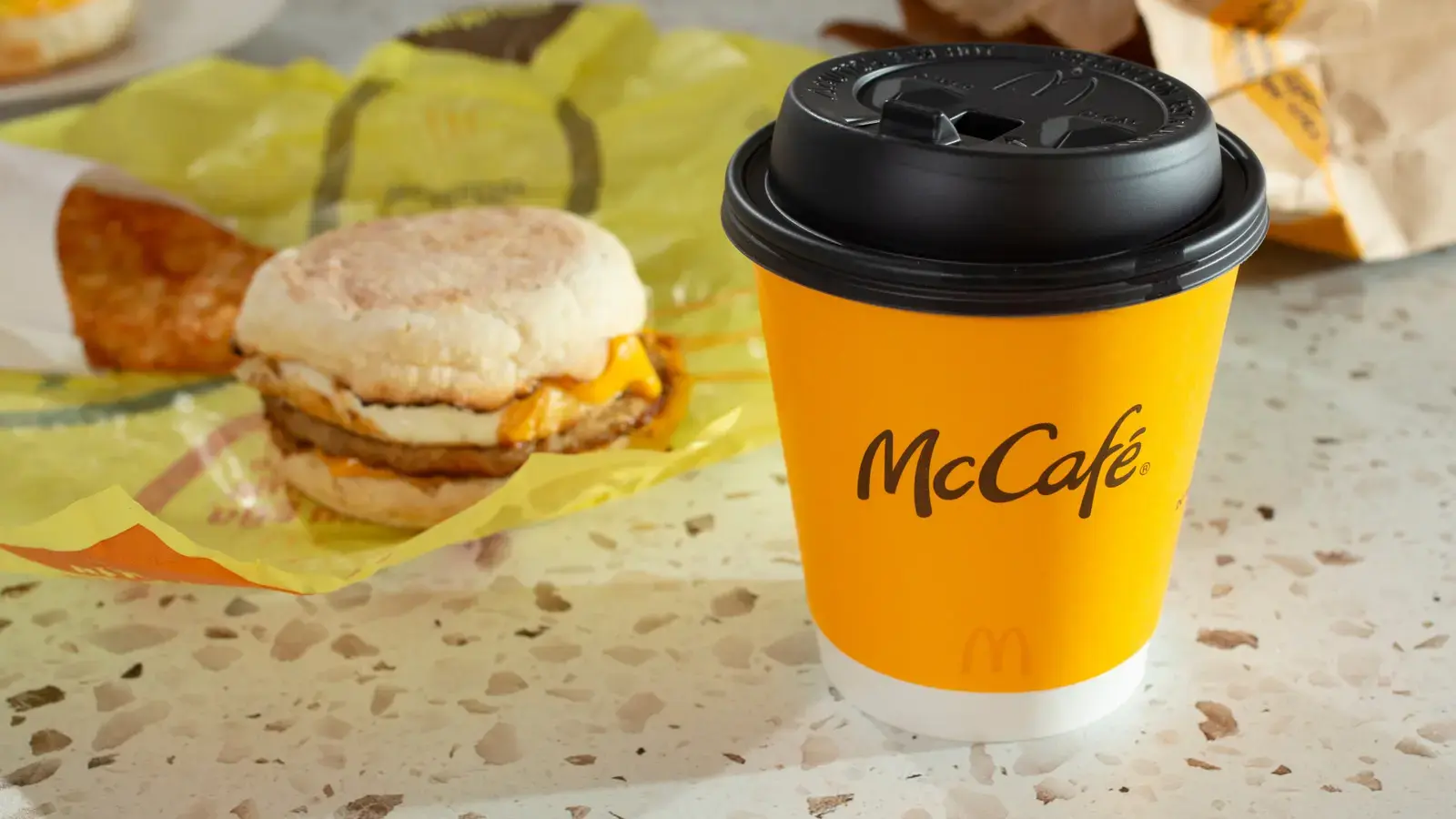
A family-run business in the Midwest has quietly become a key supplier of eggs for McDonald's breakfast menu across the United States. Operating for generations, the company provides millions of eggs annually to support items like the Egg McMuffin and other morning offerings. Based in Iowa, the farm works under strict quality and safety standards to meet the fast-food giant’s demands. This partnership highlights how large chains rely on specialized agricultural producers for consistent ingredients.
Latest news
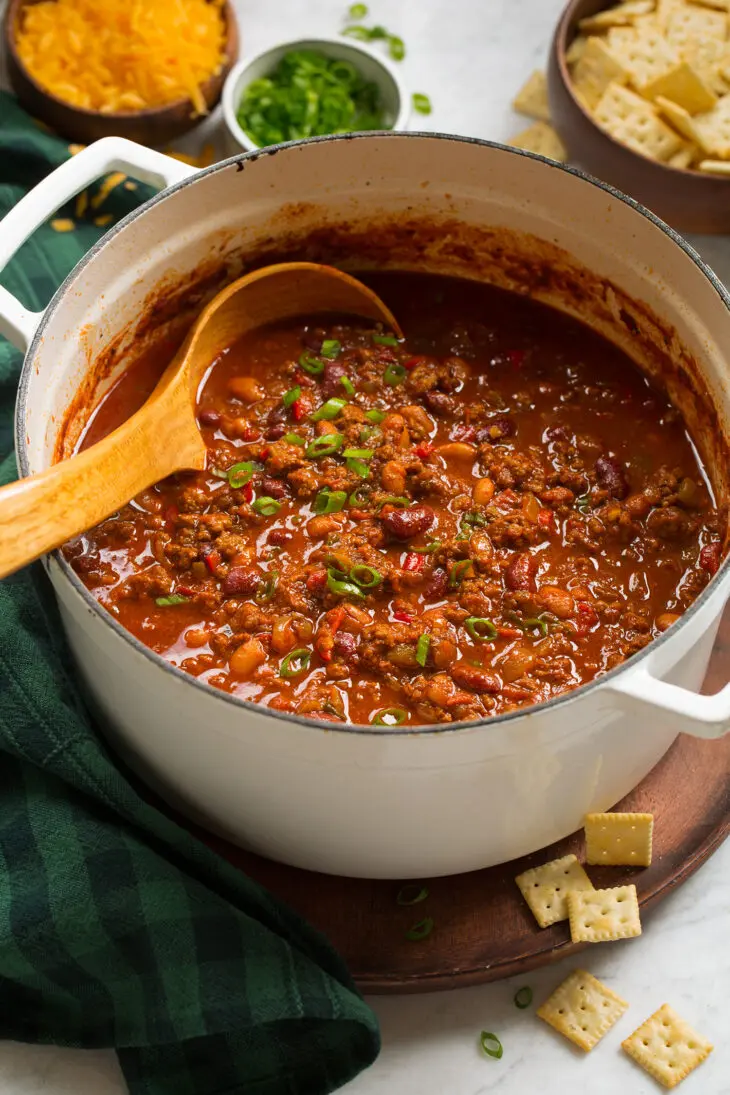 The Ultimate Homemade Chili Recipe for Cold Weather
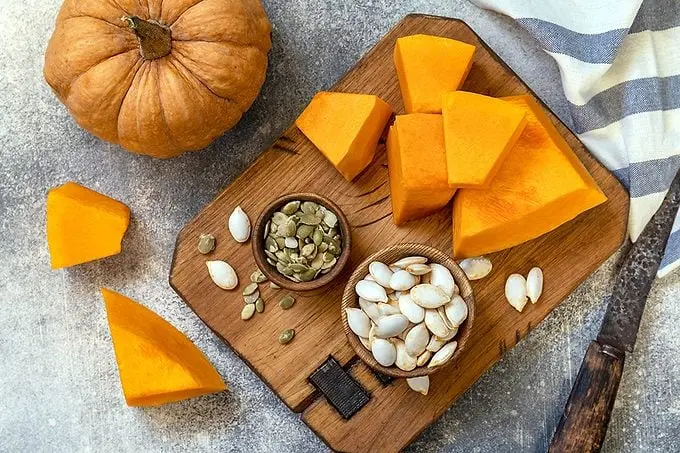 The Nutritional Power of Pumpkin Beyond Seasonal Desserts
 A Culinary Journey Through the 30th Epcot International Food and Wine Festival
 Burger King Unleashes Hello Kitty Kids' Meal with Ultra-Rare Golden Collectible
The company, which prefers to remain low-profile, has scaled its operations over decades to meet the volume needs of national chains. It uses modern hen housing systems focused on animal welfare and biosecurity, aligning with McDonald’s own sourcing guidelines. Eggs are collected, sanitized, and packed within hours of laying to ensure freshness before distribution. The supplier also undergoes regular third-party audits to verify compliance with food safety protocols. Despite the scale, the business remains family-operated, with multiple generations involved in daily management and long-term planning.
What Happens When Demand Fluctuates
To supply McDonald's, the farm had to implement traceability systems that track each egg from hen to restaurant. This includes digital record-keeping of feed, health treatments, and environmental conditions in the barns. The company invested in automated sorting and packaging lines to handle high volume while minimizing human contact. Training programs ensure staff follow hygiene and handling procedures consistently. These upgrades were necessary to pass the rigorous approval process required by McDonald's global supply chain team. The investment reflects a broader trend where traditional farms adapt to meet corporate sustainability and safety benchmarks.
Breakfast sales at McDonald's can shift based on promotions, seasonal trends, or changes in consumer habits, creating pressure on suppliers to adjust output quickly. The egg producer maintains flexible flock management, allowing it to scale hen populations up or down within regulatory and welfare limits. During peak periods, such as holiday weekends or new menu launches, the farm coordinates closely with logistics partners to prioritize timely delivery. Conversely, during slower months, it reduces production to avoid excess inventory and waste. This responsiveness helps maintain stability in the supply chain without compromising quality or animal care standards.
How many eggs does the supplier provide to McDonald's each year? While exact numbers are not disclosed, industry estimates suggest the farm supplies tens of millions of eggs annually to support breakfast items nationwide.
Frequently Asked Questions
Are the eggs cage-free or from conventional housing? The supplier uses enriched colony systems that meet McDonald's current sourcing requirements, which include space per hen, nesting areas, and perches, though not all eggs are currently cage-free.
Is the farm owned by a single family? Yes, the business has been operated by the same family for over three generations, with current leadership involving siblings and cousins who manage different aspects of production and distribution.
Content written by Lucas Carter for fancy-meals.com editorial team, AI-assisted.