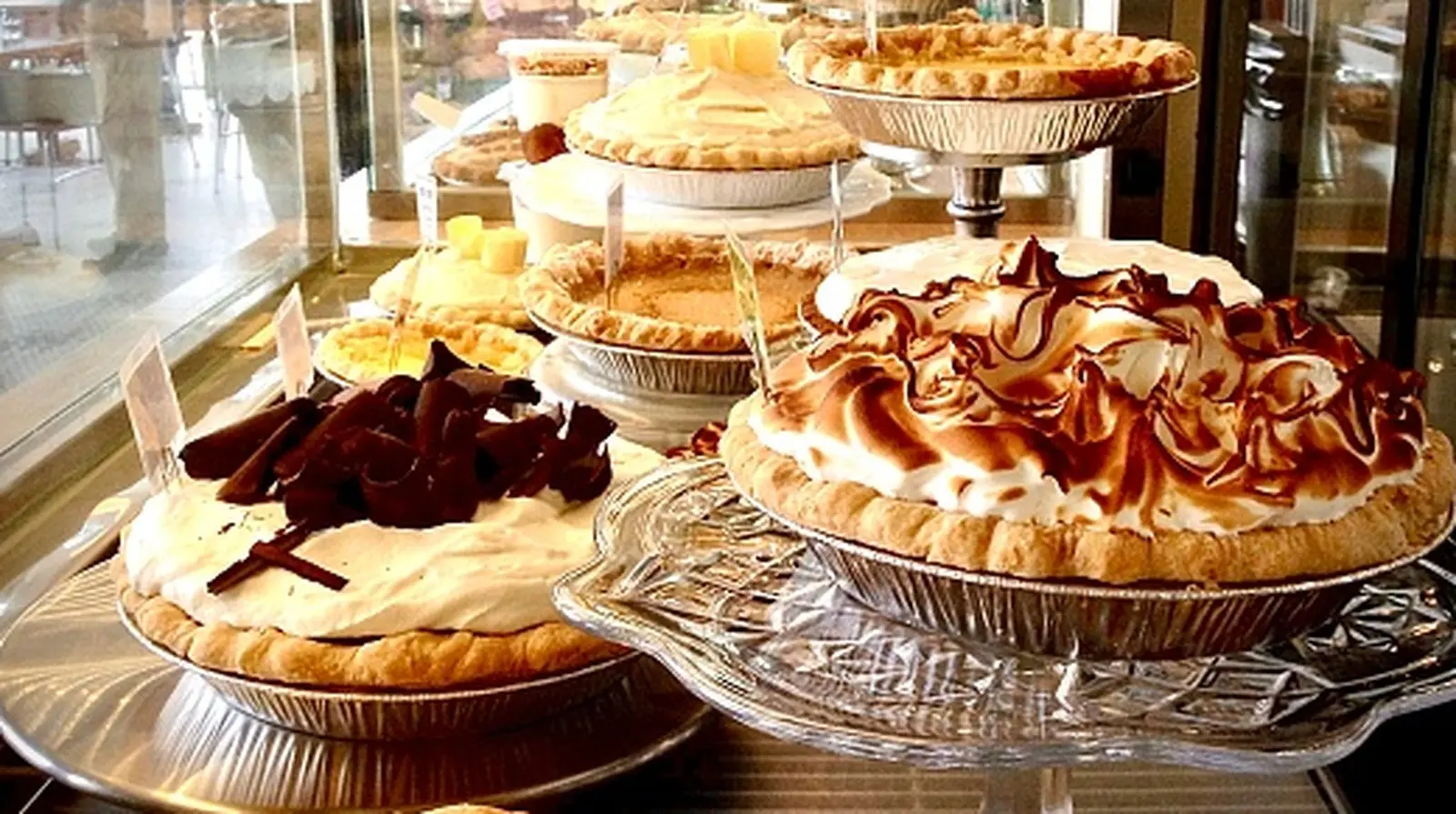
The Classic French Tarte Tatin Was Accidentally Invented by a Busy Innkeeper
The Legend of the Accidental Dessert
Many believe the upside-down apple tart was born when Stéphanie Tatin, a busy innkeeper, forgot to place pastry dough on the bottom of the pan before adding apples. Instead, she laid the dough on top. When she flipped the pan to serve, the apples had caramelized beautifully. The accidental creation quickly won over diners.
Latest news
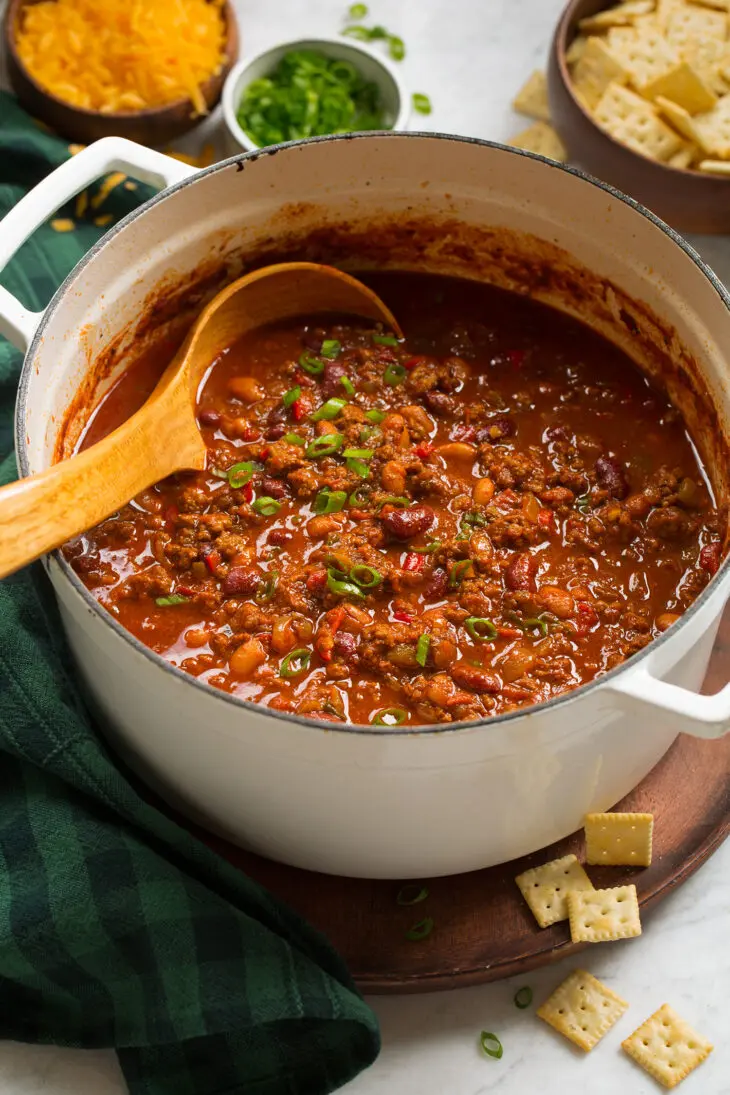 The Ultimate Homemade Chili Recipe for Cold Weather
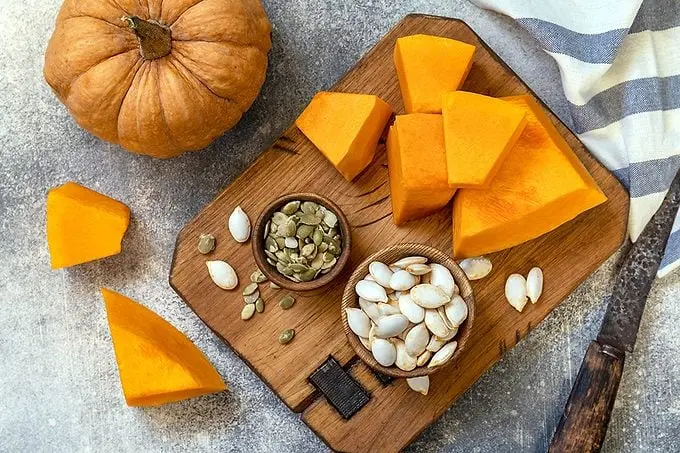 The Nutritional Power of Pumpkin Beyond Seasonal Desserts
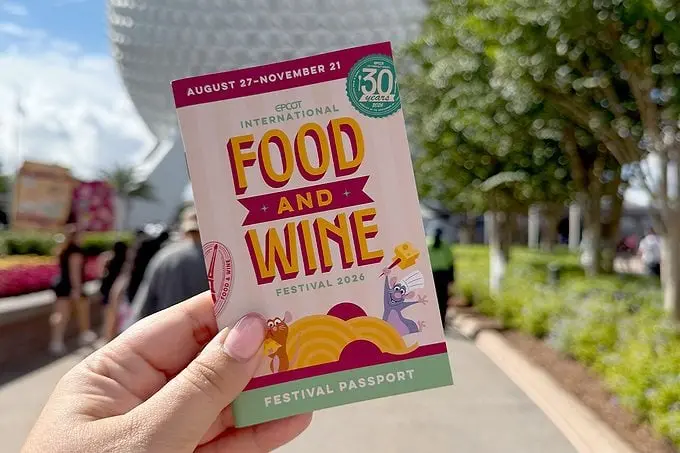 A Culinary Journey Through the 30th Epcot International Food and Wine Festival
 Burger King Unleashes Hello Kitty Kids' Meal with Ultra-Rare Golden Collectible
A Possible Urban Legend
French food historian Henri Delétang, who spent decades researching the topic, suggests the story might be an urban legend. He claims Stéphanie and her sister Caroline did not invent the dish but rather popularized it. Evidence shows similar recipes existed before the sisters opened Hôtel Tatin in 1894.
Other Accidental French Desserts
Tarte Tatin stands out for its caramelized apples, though other famous French desserts also have accidental origins. Chocolate ganache came from a kitchen apprentice pouring hot cream onto chocolate.
Crêpes Suzette were born when a chef flambéed cognac directly in the pan.
The Deliberate Rescue
While the original incident may have been a mistake, the final concept behind tarte Tatin was a deliberate attempt to save a flawed apple pie. The sisters aimed to salvage an overcooked or underbaked dessert by flipping the cooking method.
Roots in European Baking
Though many associate apple pies with American cuisine, this is a misconception. Recipes for apple tarts have existed across Europe since the 14th century. However, these early versions were simpler and lacked sugar. Upside-down variations also existed, but the French tarte Tatin remains distinct.
A Technical Distinction
The tarte Tatin is technically a tart, not a pie. The key difference lies in the dough. Tart pastry uses pâte sablée, a firm and crumbly dough similar to shortbread cookies. This contrasts with the softer, moister crusts used in traditional pies.
Content written by [email protected] (Craig Mattson) for fancy-meals.com editorial team, AI-assisted.