The Best and Worst Italian Seasoning Blends Revealed
Top Picks for Flavorful Dishes
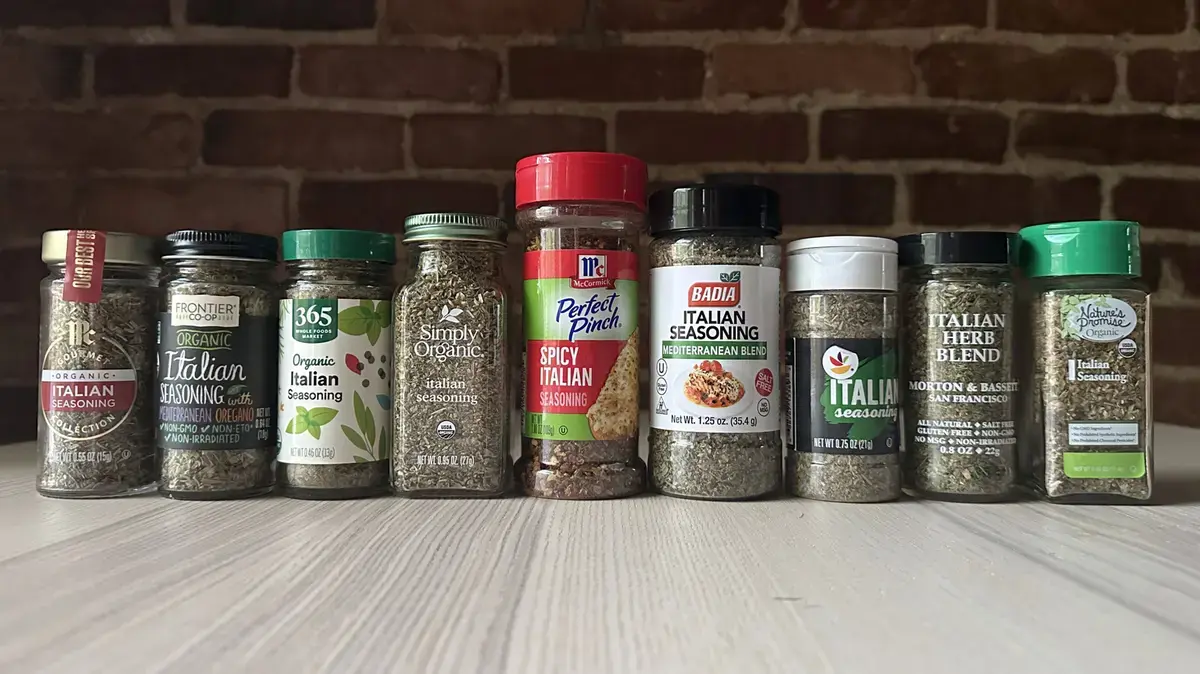
A recent culinary review evaluated popular Italian seasoning blends. Experts tested nine different options available in stores. The goal was to guide consumers toward the best choices for enhancing meals.
Latest news
 The Ultimate Homemade Chili Recipe for Cold Weather
 The Nutritional Power of Pumpkin Beyond Seasonal Desserts
 A Culinary Journey Through the 30th Epcot International Food and Wine Festival
 Burger King Unleashes Hello Kitty Kids' Meal with Ultra-Rare Golden Collectible
The evaluation aimed to simplify home cooking. Many people seek easy ways to add flavor. Seasoning blends offer a convenient alternative to mixing individual spices.
Four specific Italian seasoning blends received high marks. These blends consistently delivered robust and authentic flavors. They are recommended for various dishes, from pasta to roasted vegetables. Consumers can confidently choose these options for their kitchens.
Which Seasonings Should You Avoid?
These top-rated seasonings offered a balanced profile. They included classic herbs like oregano, basil, and thyme. The blends enhanced dishes without overpowering other ingredients.
Conversely, five Italian seasoning blends were deemed less desirable. These products either lacked strong flavor or had an unbalanced taste. Some were described as bland, while others contained too much of one dominant herb. Shoppers are advised to skip these options to prevent disappointing culinary results.
The less successful blends often missed key aromatic qualities. They failed to capture the essence of traditional Italian cooking. Using these could lead to dull or uninspired meals.
Frequently Asked Questions
What makes a good Italian seasoning blend? A good blend features a harmonious mix of classic Italian herbs. It should provide a balanced flavor that enhances food. Key herbs include oregano, basil, thyme, and rosemary.
Can I make my own Italian seasoning? Yes, you can easily create your own blend at home. Combine dried oregano, basil, thyme, rosemary, and marjoram. Adjust proportions to suit your personal taste preferences.
Why are some blends better than others? Quality varies due to ingredient freshness and proportion. Some manufacturers use lower-quality herbs or an imbalanced mix. This can result in a less flavorful or even unpleasant taste.
Content written by Lucas Carter for fancy-meals.com editorial team, AI-assisted.