
Ten Seventies Food Trends Deserve A Second Chance
Reviving Forgotten Kitchen Habits
American culinary habits have shifted significantly over the last half-century. The 1970s introduced distinct food trends that many people have since forgotten. This era marked a turning point in how Americans approached cooking and dining. While modern diets often prioritize speed or health, older methods are losing popularity. We are examining ten specific food habits from that decade. These trends offer practical benefits that still apply today. The goal is to revive these forgotten practices in contemporary kitchens.
Latest news
 Anthony Bourdain’s Most Unforgettable Meals on „No Reservations”
 Mastering the Art of Perfect Pie Baking
 Chocolate Peppermint Whoopie Pies: Holiday Treats Made Easy With Boxed Mix
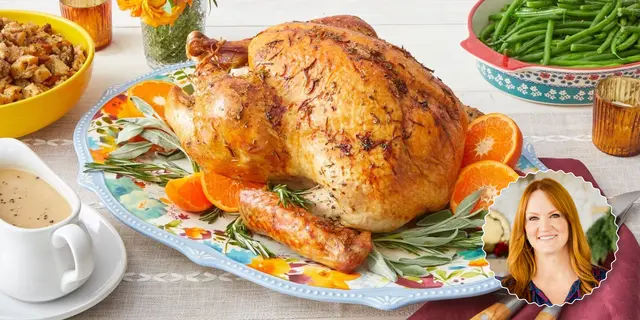 Ree Drummond Shares 10 Tips for the Perfect Thanksgiving Turkey
The culinary landscape transformed rapidly after 1970. Pantry staples changed, and dinner party menus evolved. Many shifts improved the overall quality of home cooking. However, some valuable traditions were abandoned along with outdated styles. Nostalgia now drives interest in these older techniques. Chefs and home cooks alike are rediscovering these lost arts. They recognize that simpler ingredients often produce better results. This movement challenges the current obsession with complex flavors. It suggests that less processing can lead to greater satisfaction.
Specific items from the seventies warrant immediate attention. For instance, homemade bread making gained traction during this period. People moved away from dense, commercial loaves toward lighter, airier varieties. This shift encouraged families to spend time together in the kitchen. Another trend involved the rise of ethnic cuisines in American homes. Dishes from Asia and Latin America became common on dinner tables. This diversity expanded palates and reduced reliance on standard fare. Additionally, the use of fresh herbs replaced heavy spice blends. Cooks learned to garnish plates with vibrant greens rather than dried powders. These small changes elevated simple meals into special events.
Why Simplicity Wins In Modern Dining
Data from food historians confirms this transition. The seventies saw a decline in canned goods consumption. Fresh produce became more accessible due to improved distribution networks. This availability allowed for quicker meal preparation without sacrificing flavor. Furthermore, the decade popularized certain baking techniques. Layer cakes and elaborate desserts required skill and patience. These recipes demanded attention to detail, fostering a deeper connection to food. Modern bakers are now studying these old methods. They find that traditional ingredients yield superior texture and taste. The revival supports local farmers who grow heritage grains and fruits.
Why should we return to these older ways? The answer lies in sustainability and cost. Seventies-era cooking often relied on seasonal ingredients. This approach reduces waste and lowers grocery bills. Today, consumers face rising prices for processed foods. Returning to basic cooking methods offers financial relief. It also encourages a slower pace of life. Instead of rushing through meals, people take time to prepare them. This mindfulness improves digestion and enjoyment. Critics argue that modern convenience is essential for busy schedules. However, balance is possible with careful planning. Batching meals using older techniques saves time later.
The consequences of ignoring these trends are clear. We risk losing a rich history of home cooking. Future generations may know only fast food options. By embracing seventies wisdom, we preserve culinary heritage. We also promote healthier eating habits naturally. The outlook remains positive as interest grows. Food blogs and social media platforms highlight these revived trends. Restaurants are adding vintage-inspired dishes to their menus. This cultural shift signals a broader desire for authenticity. As we move forward, the seventies will not just be remembered. It will actively shape future dining experiences.
Frequently Asked Questions
Which dish from the seventies should you try first? Start with a simple fruit salad or a batch of homemade bread. These items require minimal equipment and basic skills. They provide immediate satisfaction without overwhelming effort.
Does this mean abandoning modern technology? No, modern tools can speed up traditional processes. Use a food processor for chopping vegetables quickly. Then finish by hand to maintain control over texture.
How much time does learning these trends take? Most techniques require only a weekend to master. Practice one recipe at a time to build confidence. Join online communities for support and feedback.