Step Away From The Pan: Your Fried Eggs Will Be Ruined If You Crack Them Like This
Once cracked, use your thumbs to pull the shell apart evenly over a separate
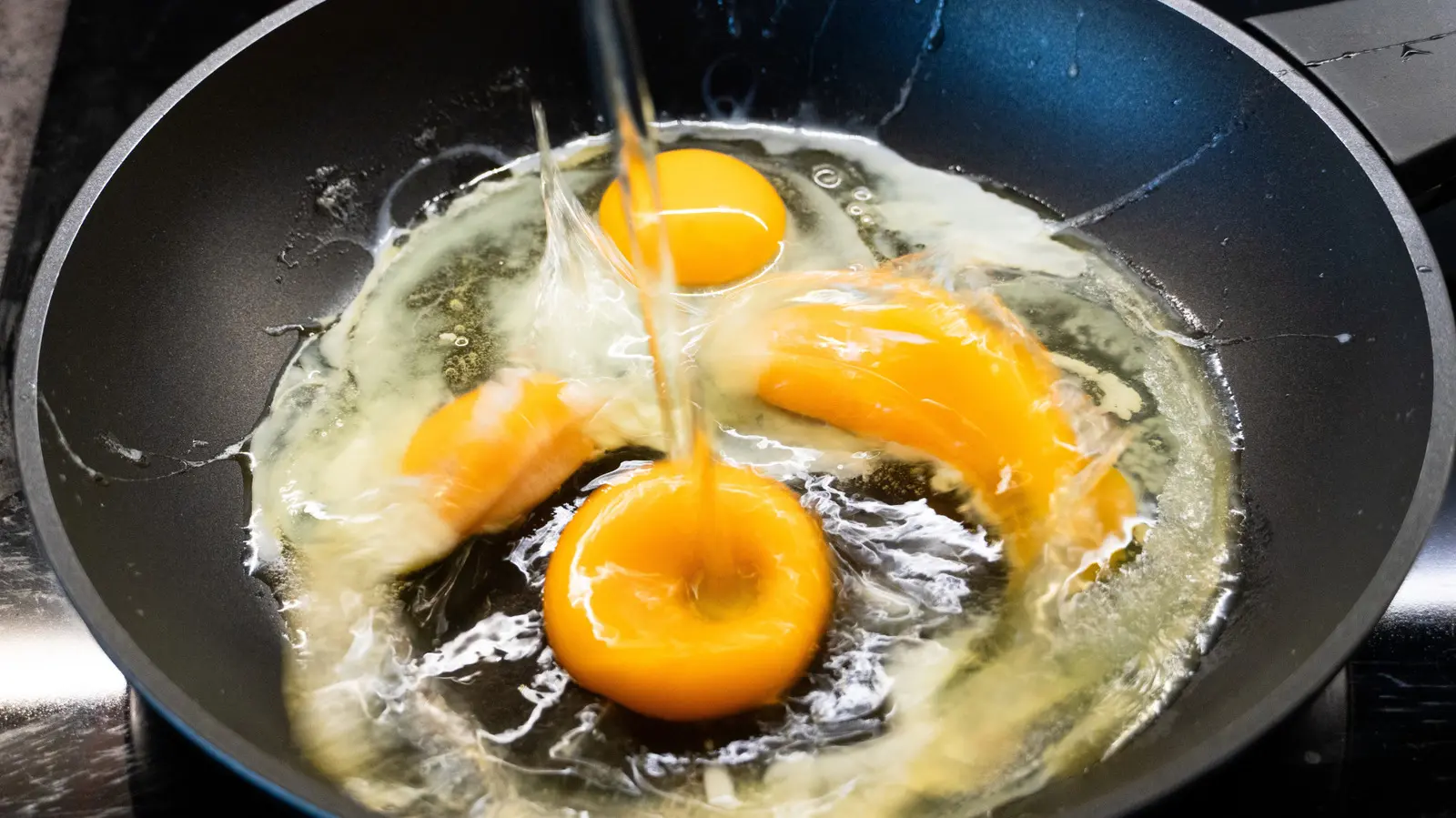
Frying an egg seems simple, but getting it right starts before the pan even heats up. Many home cooks crack eggs directly into the skillet or against the bowl’s edge, risking shell fragments and uneven yolks. This common habit can ruin texture and presentation. A small change in technique makes a big difference. The key lies in how you break the shell, not just where you do it. Experts say the method affects the egg’s integrity from the first crack to the final flip. It’s a detail often overlooked in breakfast routines. The problem with cracking eggs on sharp surfaces like pan rims or bowl edges is that it forces shell shards inward, increasing the chance of contamination. Instead, professionals recommend tapping the egg gently on a flat surface like a countertop. This creates a clean fracture across the shell without driving fragments into the egg.
Latest news
 The Ultimate Homemade Chili Recipe for Cold Weather
 The Nutritional Power of Pumpkin Beyond Seasonal Desserts
 A Culinary Journey Through the 30th Epcot International Food and Wine Festival
 Burger King Unleashes Hello Kitty Kids' Meal with Ultra-Rare Golden Collectible
Once cracked, use your thumbs to pull the shell apart evenly over a separate bowl first. This allows you to inspect for shells before transferring to the pan. It also gives better control over yolk placement, keeping it centered and intact for a perfect fry. Why Flat Surfaces Prevent Shell Contamination A flat surface distributes impact evenly, reducing the risk of pushing shell pieces into the egg’s interior. When you crack on a ridge or corner, the force concentrates, causing the shell to implode rather than split cleanly. Food scientists note that even microscopic shell particles can affect texture and pose a minor choking hazard. Using a flat surface minimizes this risk while preserving the egg’s natural structure. Chefs emphasize that this method also helps maintain the yolk’s membrane, which is crucial for a runny center when frying.
The result is a cleaner start to cooking and fewer surprises in the pan
The result is a cleaner start to cooking and fewer surprises in the pan. How Does This Change Affect Your Fried Egg Outcome? By preventing shell intrusion, you ensure a smoother cooking process and more consistent results. The egg slides into the pan cleanly, allowing the white to set evenly around the yolk. This leads to a tender, uniform texture without bitter or crunchy surprises. It also improves presentation—especially important for dishes like eggs Benedict or avocado toast. Home cooks who adopt this tip report fewer failed attempts and greater confidence in the kitchen. Over time, the habit becomes second nature, transforming a frustrating task into a reliable one. Small adjustments like this often yield the biggest improvements in everyday cooking. Frequently Asked Questions Why is cracking eggs on a flat surface better than using the pan edge?
Cracking on a flat surface applies even pressure, which creates a clean break without forcing shell fragments into the egg. The pan edge or bowl rim concentrates force, increasing the chance of shell contamination. Does this method really affect the taste or texture of fried eggs? Yes, avoiding shell fragments prevents unpleasant crunchiness and ensures even cooking. It also helps keep the yolk intact, which is key for achieving a desirable runny or jammy center when frying.
Content written by Lucas Carter for fancy-meals.com editorial team, AI-assisted.