
Spotting Restaurant Quality Cuts: Expert Insights
How Restaurants Secretly Save Money
Diners might not always realize when their favorite eatery starts compromising on quality. While no obvious signs often appear, subtle indicators can reveal a restaurant's cost-cutting measures. These changes can affect everything from food freshness to service standards, impacting the overall dining experience.
Latest news
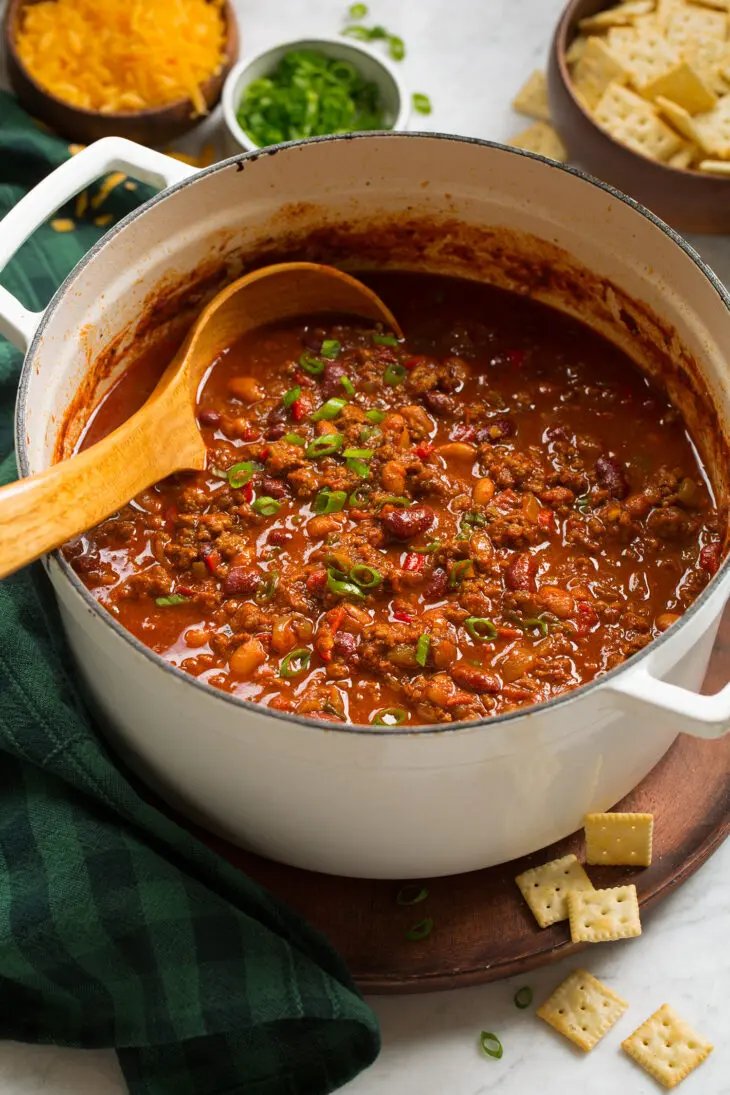 The Ultimate Homemade Chili Recipe for Cold Weather
 The Nutritional Power of Pumpkin Beyond Seasonal Desserts
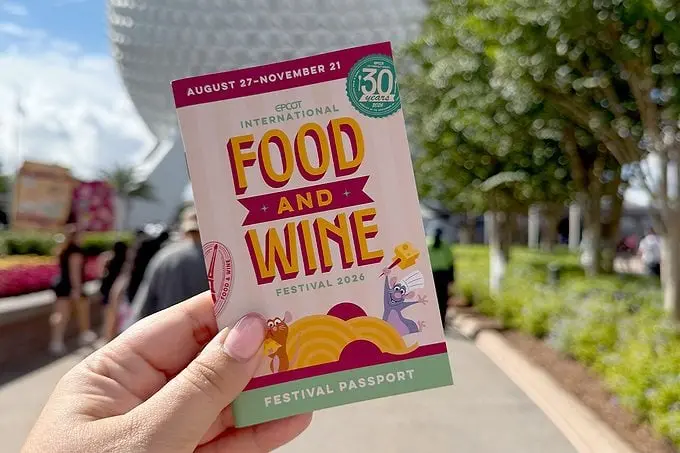 A Culinary Journey Through the 30th Epcot International Food and Wine Festival
 Burger King Unleashes Hello Kitty Kids' Meal with Ultra-Rare Golden Collectible
These practices can manifest in various ways, often aimed at reducing operational expenses. Understanding these hidden signs helps consumers make informed choices about where they eat. Experts have identified several key tells that suggest a restaurant is prioritizing savings over customer satisfaction.
One common tactic involves altering ingredient quality. Restaurants might switch to cheaper suppliers or use lower-grade produce, meat, or seafood. This can subtly change the flavor and texture of dishes. Another method is reducing portion sizes without adjusting prices, making meals seem less substantial. Staffing cuts are also prevalent, leading to fewer servers, longer wait times, and less attentive service. This can create a less enjoyable atmosphere for patrons.
Are You Getting Your Money's Worth?
Kitchen practices can also reveal cost-cutting. Reusing oil for frying beyond its optimal life is one example, affecting food taste and health. Similarly, preparing large batches of food far in advance and reheating it can diminish freshness. Even small details, like the cleanliness of restrooms or the state of cutlery, can signal a decline in standards.
Sometimes, menu changes can be a clue. Removing popular, high-quality items or replacing them with cheaper alternatives suggests a shift in priorities. A sudden increase in menu prices without a corresponding improvement in food or service can also be a red flag. Pay attention to the consistency of dishes; if a favorite meal suddenly tastes different or less satisfying, it might be due to ingredient changes.
Ultimately, these hidden compromises can erode customer trust and loyalty. While restaurants face pressures to manage costs, sacrificing quality can lead to a long-term decline in business. Diners who notice these signs may choose to take their business elsewhere, impacting the restaurant's reputation and financial health.
Frequently Asked Questions
What are common signs of ingredient quality cuts? Restaurants might switch to cheaper suppliers, use lower-grade produce, or serve previously frozen items as fresh. This often results in a noticeable difference in taste and texture.
How does staffing affect the dining experience? Fewer staff members can lead to longer wait times, less attentive service, and a generally rushed atmosphere. This impacts the overall enjoyment and perception of a restaurant's quality.
Can menu changes indicate cost-cutting? Yes, removing popular, high-quality dishes or replacing them with cheaper alternatives can signal a restaurant's efforts to reduce expenses. A sudden price increase without improved quality is also a strong indicator.
Content written by Lucas Carter for fancy-meals.com editorial team, AI-assisted.