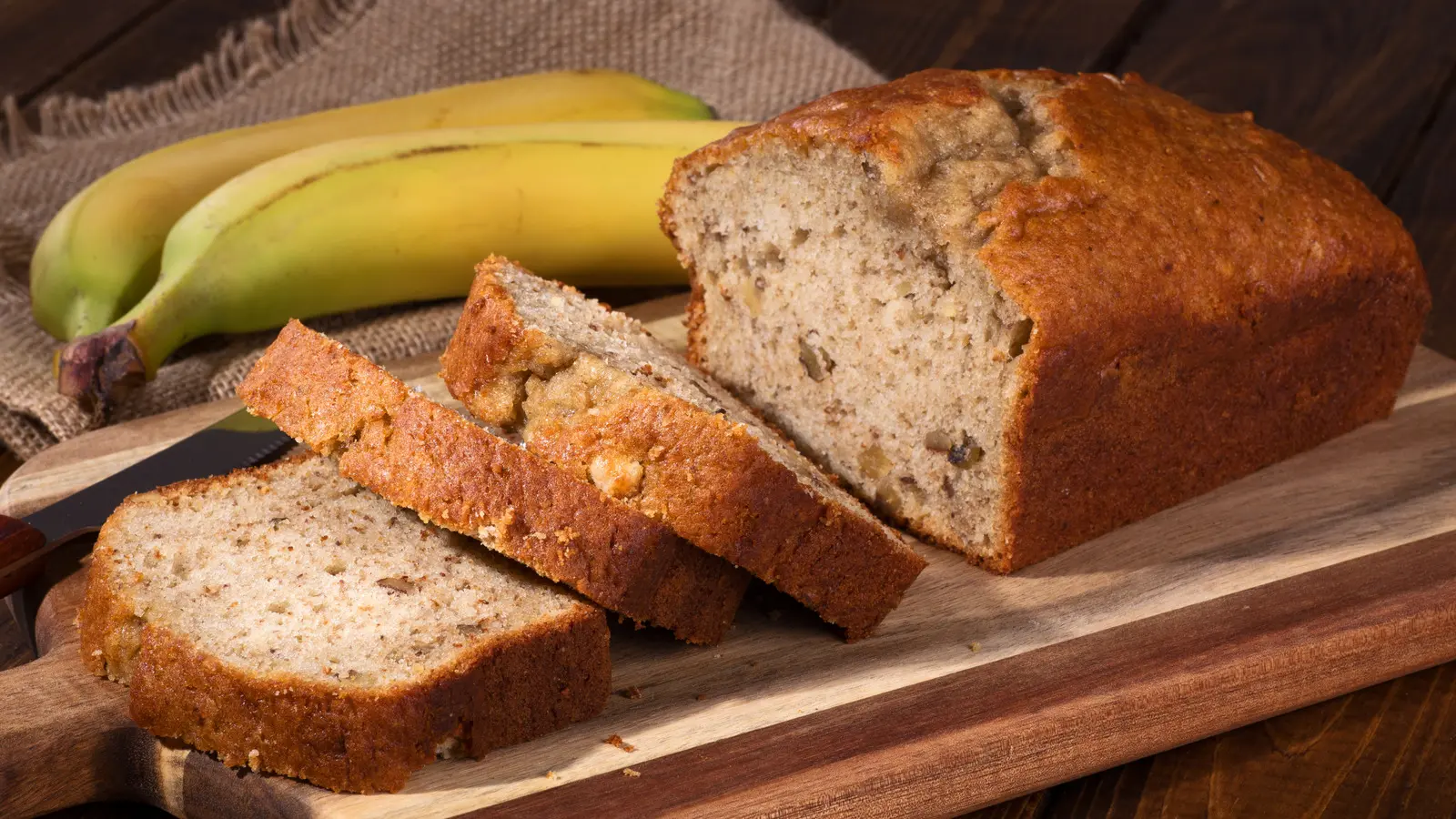
Simple Butter Trick Makes Banana Bread Fluffy
Why Creaming Butter Changes Everything
Bakers seeking superior texture in homemade banana bread need look no further than their butter storage habits. A specific technique involving the fat content holds the key to achieving a light, airy crumb rather than a dense, heavy loaf. This method distinguishes professional results from average home baking. It focuses on how ingredients interact during the mixing process. Home cooks often struggle with consistency. Understanding this mechanical aspect of baking solves that problem. The result is a significantly improved final product.
Latest news
 What Likely Appeared on the First Thanksgiving Menu in 1621
 Anthony Bourdain’s Most Unforgettable Meals on „No Reservations”
 Mastering the Art of Perfect Pie Baking
 Chocolate Peppermint Whoopie Pies: Holiday Treats Made Easy With Boxed Mix
The primary factor determining the quality of the loaf is its internal structure. Density and rise are critical metrics for success. While many bakers focus heavily on fruit ripeness, the handling of fats plays an equally vital role. Room temperature eggs contribute to better emulsification. Overripe bananas provide necessary moisture and sweetness. However, without proper fat integration, the gluten network can become too tight. This leads to a gummy or compact texture. The goal is to trap air effectively within the batter before it hits the oven.
The standard approach involves creaming softened butter with sugar before adding other ingredients. This step forces air into the mixture. Whisking the fat and granules creates tiny pockets of air. These bubbles expand when the batter meets heat. They serve as the initial leavening agents. If the butter is too cold, it does not incorporate well. If it is melted, it coats the flour proteins differently. Softened butter strikes the correct balance. It allows for maximum aeration without breaking the emulsion. This physical change in the batter composition dictates the final rise.
Does Temperature Matter More Than Quantity?
The science behind this relies on the behavior of fats under heat. Solid fats melt and release trapped gases. This expansion pushes the batter upward. Simultaneously, chemical leaveners like baking soda react. The combination of mechanical and chemical leavening creates height. Skipping the creaming stage or using melted butter removes the mechanical component. The bread relies solely on chemical reaction. This often results in a flatter profile. The crumb becomes tighter and less inviting. Proper technique ensures both systems work together harmoniously.
Temperature control is essential for this specific method. The butter must be pliable but not liquid. A soft solid state allows the whisk to push through the fat. This action traps air efficiently. If the butter melts, the structure collapses. The liquid fat sinks and separates from dry ingredients. This separation prevents uniform distribution of air bubbles. Consistency across the entire batter is crucial. Uneven distribution leads to uneven rising. Some parts may be cake-like while others remain dense. Maintaining a stable kitchen temperature helps keep the butter in the ideal range.
Home bakers should avoid rushing this step. Thorough creaming takes time. Five to ten minutes of vigorous mixing is often required. The mixture should turn pale and fluffy. It should double in volume visually. This indicates sufficient aeration. Once the air is trapped, adding liquids too quickly can deflate the mixture. Gentle folding techniques help preserve the structure. Patience during this phase pays off in the final slice.
Frequently Asked Questions
Why do my banana bread slices collapse in the middle? This usually happens when the structural integrity of the batter fails. Insufficient aeration during the creaming stage weakens the support system. The center cannot hold its shape as the outer edges set first.
Can I use margarine instead of butter for this technique? Yes, margarine works similarly because it has a comparable fat content. However, butter provides superior flavor and a richer color. The mechanical principles of creaming remain identical for both fats.
How long should I cream the butter and sugar? Continue mixing until the mixture triples in volume and turns pale yellow. This typically takes five to ten minutes with a stand mixer. Stop immediately once the desired fluffiness is achieved to prevent overmixing.