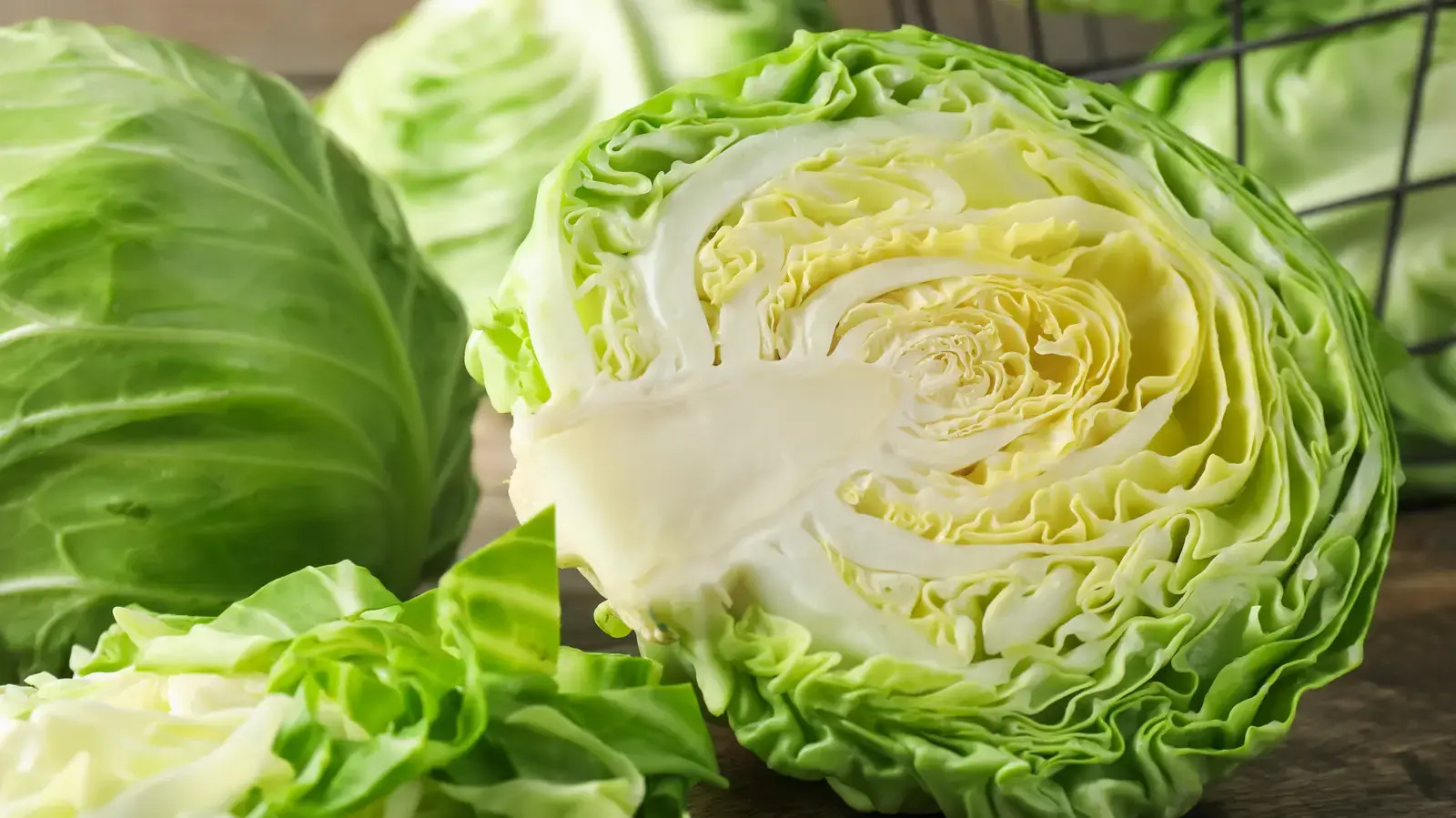
Roast Cabbage for Crispy Golden Results Instead of Pan-Frying
Why Roasting Beats Pan-Frying for Cabbage Texture
Skip the frying pan when cooking cabbage if you want that perfect golden-brown crispiness. A food writer discovered that roasting delivers superior texture compared to traditional stovetop methods. The technique involves high heat searing followed by gentle braising, creating cabbage that's both crispy outside and tender inside.
Latest news
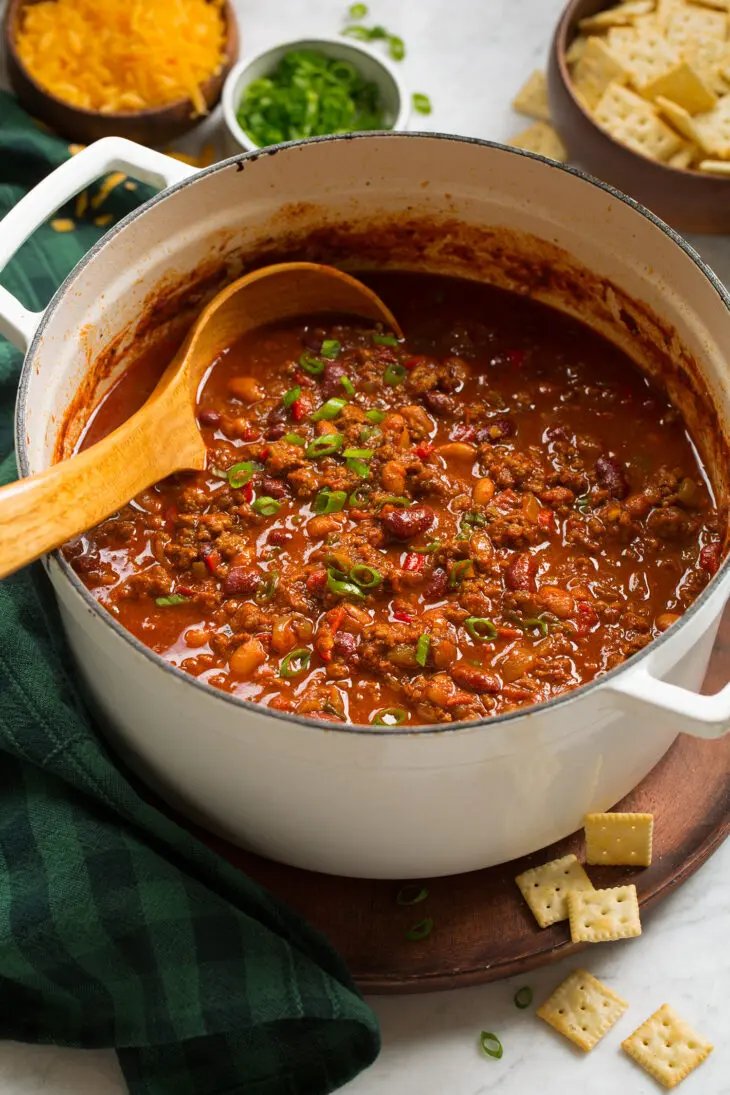 The Ultimate Homemade Chili Recipe for Cold Weather
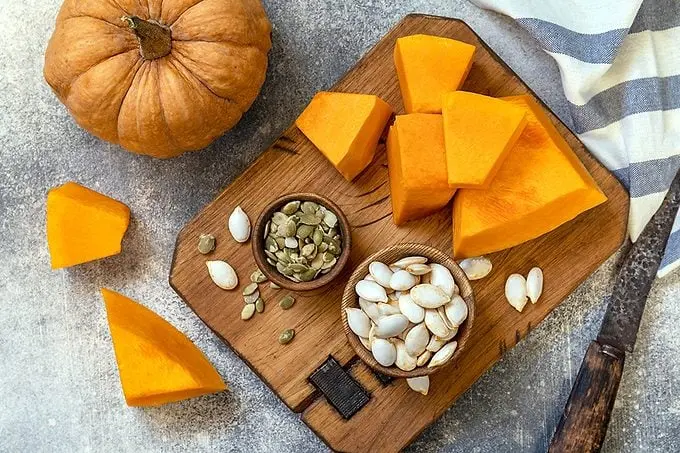 The Nutritional Power of Pumpkin Beyond Seasonal Desserts
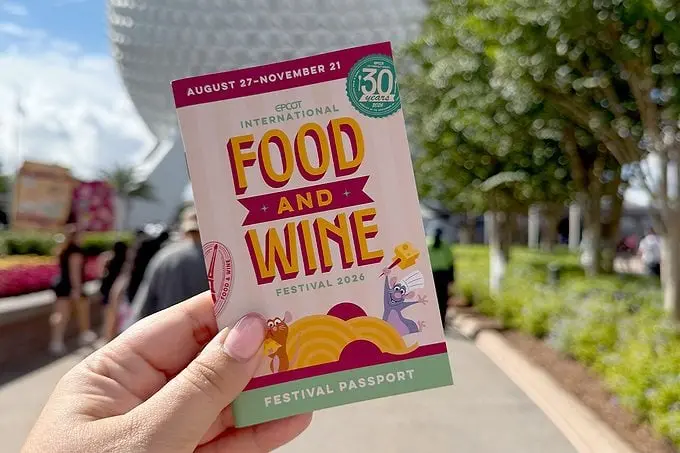 A Culinary Journey Through the 30th Epcot International Food and Wine Festival
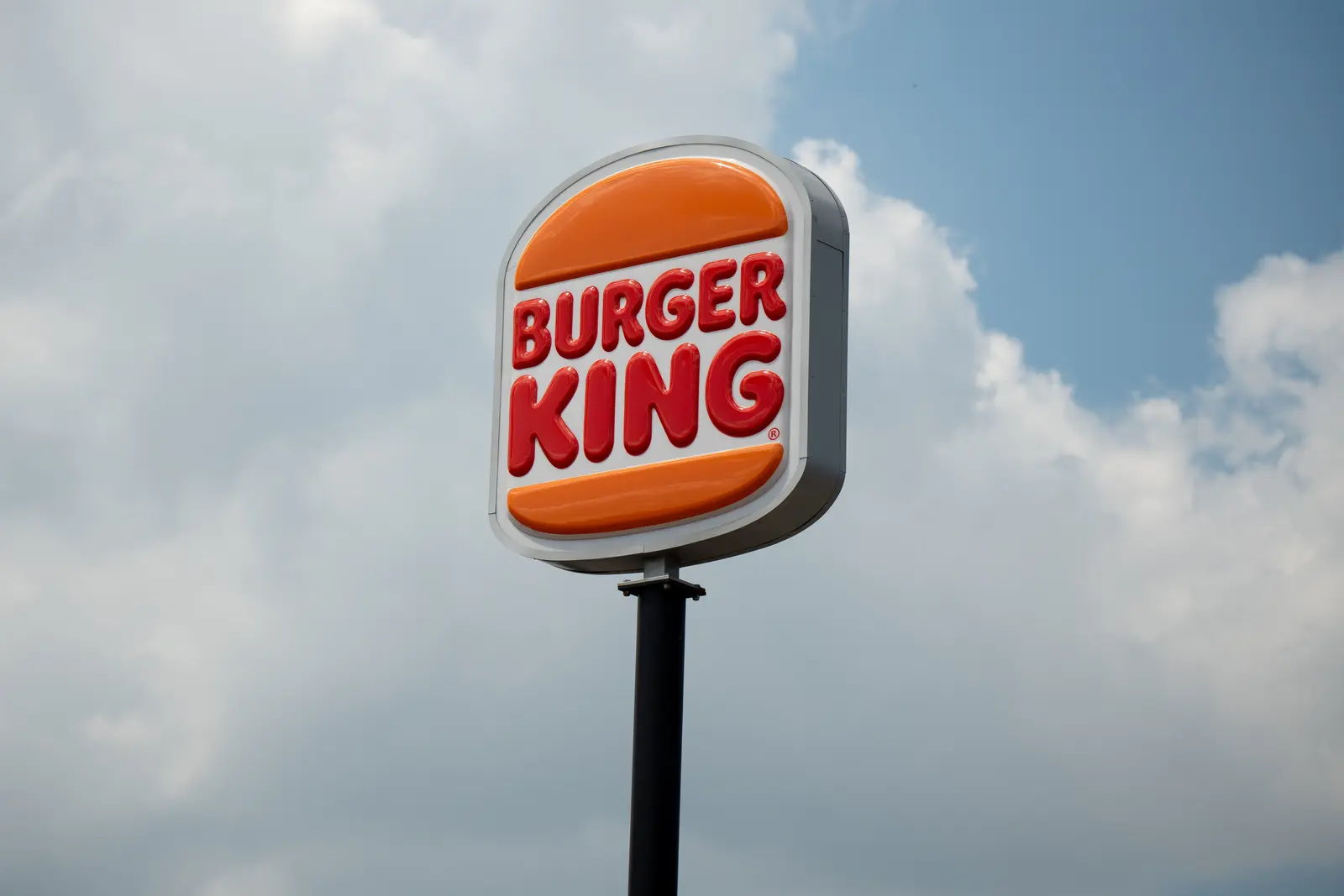 Burger King Unleashes Hello Kitty Kids' Meal with Ultra-Rare Golden Collectible
The method works because dry heat from the oven creates a Maillard reaction on the cabbage's surface, developing deep color and crunch. Unlike pan-frying which can leave cabbage soggy or unevenly cooked, roasting allows hot air to circulate evenly around each piece. Food experts say this approach also reduces the need for excess oil while concentrating the vegetable's natural flavors.
Roasting transforms cabbage leaves into crispy, golden wedges that rival any pan-fried version. The key lies in the oven's consistent heat distribution, which sears the exterior while slowly cooking the interior. This dual-action process prevents the cabbage from becoming mushy, a common problem when using stovetop methods. Professional chefs recommend cutting cabbage into thick slices and spacing them properly on the baking sheet to achieve maximum crispiness.
How Do You Get Perfectly Crispy Roasted Cabbage Every Time?
The science behind this technique involves the Maillard reaction occurring at temperatures between 280-330 degrees Fahrenheit. When cabbage hits these heat levels in the oven, its natural sugars caramelize, creating that desirable brown crust. Pan-frying often struggles to maintain consistent temperature, leading to uneven cooking and less satisfying texture.
Achieving restaurant-quality crispy cabbage at home requires attention to a few critical details. Start with a preheated oven set to 425 degrees Fahrenheit, and make sure your cabbage wedges are dry before seasoning. Excess moisture is the enemy of crispiness, so pat the pieces thoroughly with paper towels.
Place the seasoned cabbage on a wire rack set over a baking sheet rather than directly on the pan. This allows hot air to flow underneath, ensuring even cooking and preventing the bottoms from steaming. Don't overcrowd the pan either – give each piece plenty of space.
For extra flavor, toss the cabbage with olive oil, salt, and your choice of herbs before roasting. Some cooks add a sprinkle of parmesan cheese during the last few minutes of cooking for additional crispiness and taste. The result is cabbage with restaurant-quality texture that's surprisingly simple to make at home.
Frequently Asked Questions
What temperature should I roast cabbage at for maximum crispiness? Preheat your oven to 425°F and roast for 25-30 minutes, flipping halfway through cooking time.
Can I use frozen cabbage instead of fresh for roasting? Fresh cabbage works best for crispy results, as frozen varieties release more moisture during the cooking process.
How do I prevent my roasted cabbage from becoming soggy? Ensure the cabbage is completely dry before seasoning, use a wire rack for airflow, and avoid overcrowding the baking sheet.
Content written by Victoria Lane for fancy-meals.com editorial team, AI-assisted.