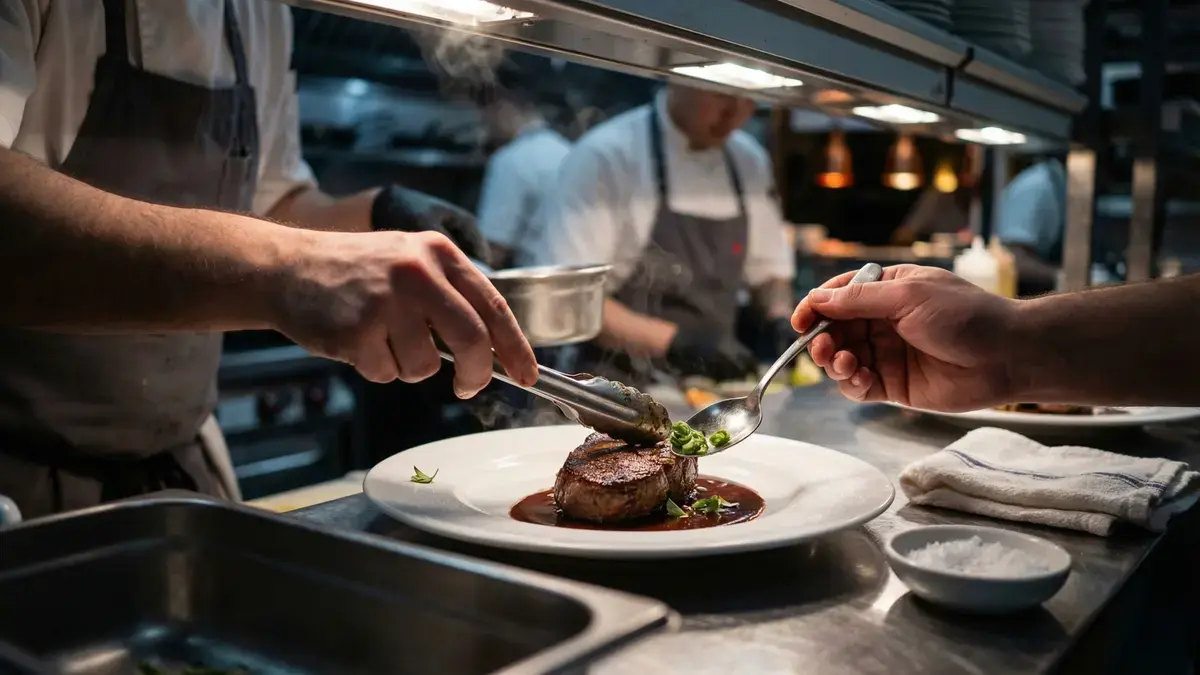
Restaurant First Impressions: What Inspectors See
The Initial Walk-Through: Beyond the Dining Room
Health inspectors evaluate over 600,000 restaurants across the United States. They ensure food safety and hygiene standards are met. These unannounced visits aim to protect diners from foodborne illnesses. Inspections happen regularly, keeping restaurants accountable.
Latest news
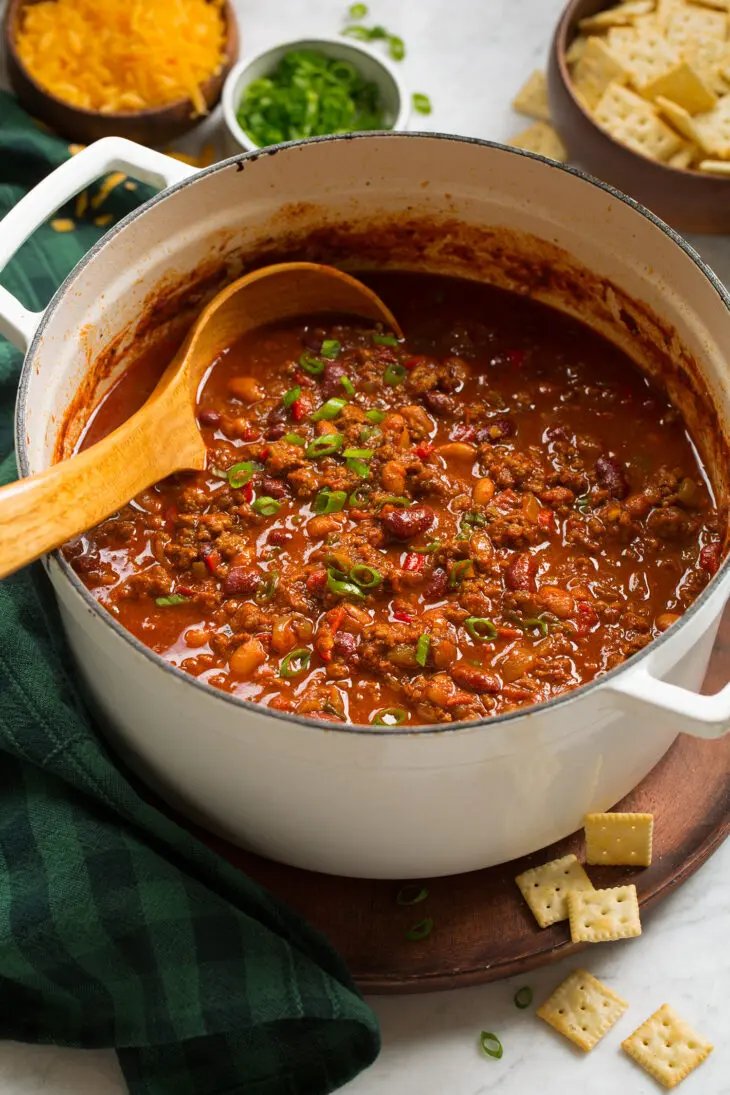 The Ultimate Homemade Chili Recipe for Cold Weather
 The Nutritional Power of Pumpkin Beyond Seasonal Desserts
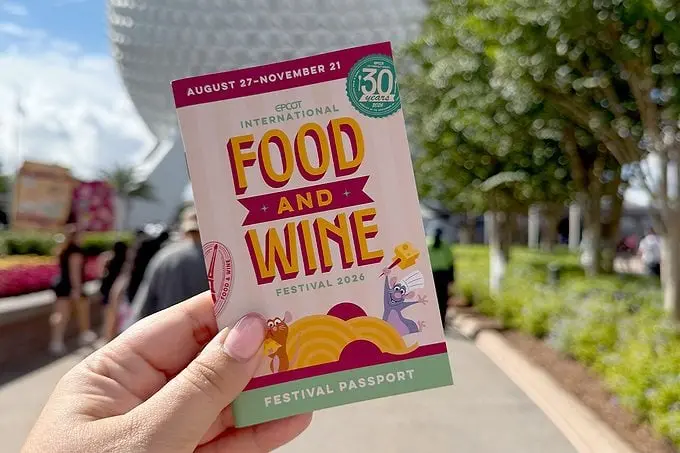 A Culinary Journey Through the 30th Epcot International Food and Wine Festival
 Burger King Unleashes Hello Kitty Kids' Meal with Ultra-Rare Golden Collectible
Inspectors begin assessing a restaurant immediately upon entry. Their initial scan isn’t about scrutinizing food directly. Instead, they observe the overall cleanliness and organization. A well-maintained establishment often indicates diligent food handling practices. Conversely, visible disarray raises immediate red flags. This first impression sets the tone for the entire inspection.
The first area examined is typically the dining area and host stand. Inspectors check for clean surfaces, proper lighting, and adequate handwashing facilities for staff. They’ll also note the condition of restrooms. Dirty restrooms are a strong indicator of broader hygiene issues.
Next, inspectors move to the kitchen. Here, they focus on food storage, preparation areas, and dishwashing procedures. Proper temperature control is critical. Refrigerators must maintain safe temperatures to prevent bacterial growth. Food should be stored correctly, separated to avoid cross-contamination. Cleanliness of equipment and surfaces is also paramount.
Can a Restaurant Pass with Minor Issues?
It’s not just about finding violations, explains a veteran health inspector. It’s about observing the systems in place. Does the restaurant have procedures to maintain safety? Are employees following them consistently?
Minor issues, like a slightly chipped plate, won't automatically fail a restaurant. However, a pattern of small problems suggests a lack of attention to detail. This can escalate into more serious concerns. Critical violations, such as improper food handling or pest infestations, will result in immediate action. This could range from temporary closure to fines.
Inspectors also assess employee health and hygiene practices. Sick employees should not be handling food. Proper handwashing is essential, and staff must wear clean uniforms. These measures prevent the spread of illness. Consistent training is vital for ensuring all employees understand and follow food safety protocols.
Frequently Asked Questions
Ultimately, a successful inspection demonstrates a commitment to public health. Restaurants that prioritize cleanliness and safety build trust with their customers. Consistent adherence to regulations minimizes the risk of foodborne illnesses. This protects both diners and the restaurant's reputation.
What happens if a restaurant fails an inspection? A failing grade typically leads to a follow-up inspection. The restaurant must correct the violations within a specified timeframe. Repeated failures can result in suspension of the health permit or even closure.
How often are restaurants inspected? Inspection frequency varies by state and local regulations. Generally, restaurants receive at least one unannounced inspection per year. High-risk establishments may be inspected more frequently.
Can a customer request to see a restaurant's inspection report? Yes, in many jurisdictions, inspection reports are public record. Customers can often access these reports online or by requesting them from the local health department.
Content written by Lucas Carter for fancy-meals.com editorial team, AI-assisted.