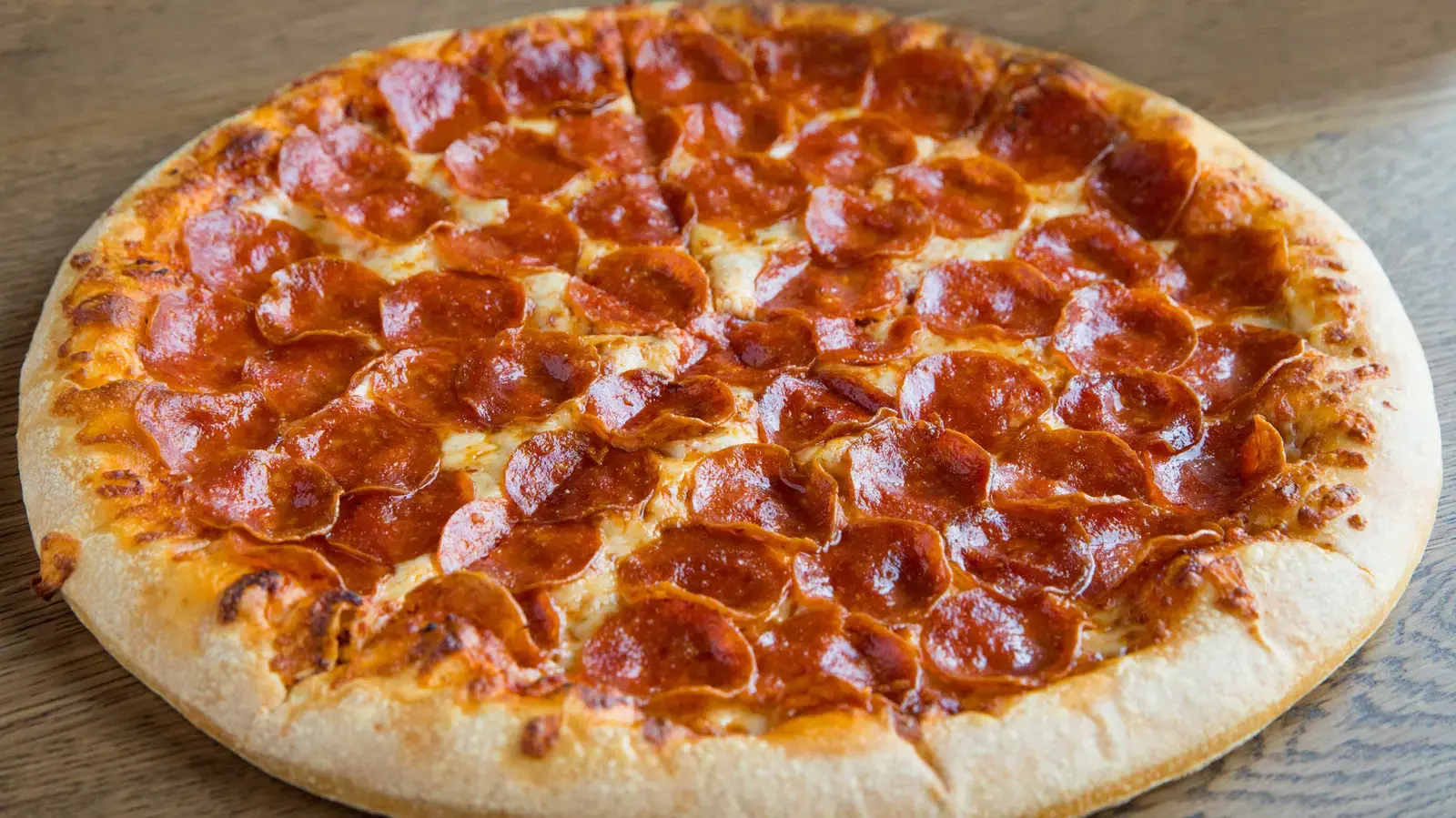
Pizza Hut Pepperoni Pizza Gets Better With One Simple Sauce Change
Why Marinara Beats Red Sauce For Pepperoni Lovers
Pizza Hut customers can significantly enhance the flavor profile of their standard pepperoni pizzas by making a specific substitution. The chain’s classic red sauce is widely recognized, but swapping it for an alternative option creates a distinct taste experience. This adjustment requires no extra cost or complex preparation. It simply involves choosing a different base flavor when placing the order. Many regulars have already discovered this trick to elevate their dining experience. The change transforms a standard meal into something more memorable.
Latest news
 The Ultimate Homemade Chili Recipe for Cold Weather
 The Nutritional Power of Pumpkin Beyond Seasonal Desserts
 A Culinary Journey Through the 30th Epcot International Food and Wine Festival
 Burger King Unleashes Hello Kitty Kids' Meal with Ultra-Rare Golden Collectible
The primary suggestion is to replace the traditional tomato-based red sauce with marinara. While these terms are often used interchangeably in casual conversation, Pizza Hut distinguishes them clearly on the menu. The marinara sauce offers a slightly different balance of acidity and sweetness. This shift reduces the overall heaviness of the dish. It allows the salty, cured flavor of the pepperoni to stand out more prominently. Diners report that this combination creates a more balanced bite. The result is less cloying and more refreshing.
Food enthusiasts note that the chemical composition of the two sauces differs slightly. Red sauce tends to be thicker and richer in texture. Marinara is generally lighter and has a sharper tang. This sharpness cuts through the fat content of the pepperoni slices. The contrast prevents the palate from becoming tired during the meal. Additionally, the lighter body of the marinara allows other toppings to shine. If you add mushrooms or green peppers, they remain distinct rather than getting lost in heavy tomato paste. This makes the entire pizza feel fresher and cleaner.
Does This Change Affect The Price Or Crust Options?
Customers can request this swap easily at the counter or through the mobile application. No special explanation is needed; just specify marinara instead of red. Staff are accustomed to this request. It does not alter the price of the pizza. The crust options remain the same, including hand-tossed or pan styles. This flexibility ensures the flavor boost works across all product lines. Whether ordering a personal size or a large party pie, the principle remains consistent. The sauce acts as the foundation for the entire flavor profile.
The cost of the pizza remains unchanged regardless of the sauce selection. Pizza Hut treats both red and marinara as standard base options. There is no premium charge for the marinara version. This makes it an accessible upgrade for budget-conscious diners. The crust choice also stays independent of the sauce decision. You can pair the lighter marinara with a thick pan crust if desired. However, many find that a thinner hand-tossed crust complements the lighter sauce better. The structural integrity of the pizza is unaffected by this swap. The cheese and toppings adhere equally well to either sauce base.
Frequently Asked Questions
Looking ahead, this simple modification could become a popular trend among loyal fans. As food trends shift toward lighter, brighter flavors, this swap aligns with current preferences. It offers a way to enjoy a classic comfort food without feeling overly heavy. Restaurants may eventually highlight this pairing on menus to guide customer choices. For now, it remains a hidden gem known primarily by regulars. Experimenting with this single change can refresh a routine dinner. It proves that small adjustments yield significant results in taste satisfaction.
Can I use marinara sauce with any topping combination? Yes, the marinara base works well with almost any topping. It pairs particularly well with vegetables and lean meats. The lighter flavor profile does not overpower delicate ingredients like spinach or onions.
Is there a difference in calorie count between the two sauces? The caloric difference is minimal and often negligible per serving. Both sauces provide similar nutritional values regarding carbohydrates and fats. The primary distinction lies in taste perception rather than dietary impact.
Content written by Tasting Table for fancy-meals.com editorial team, AI-assisted.