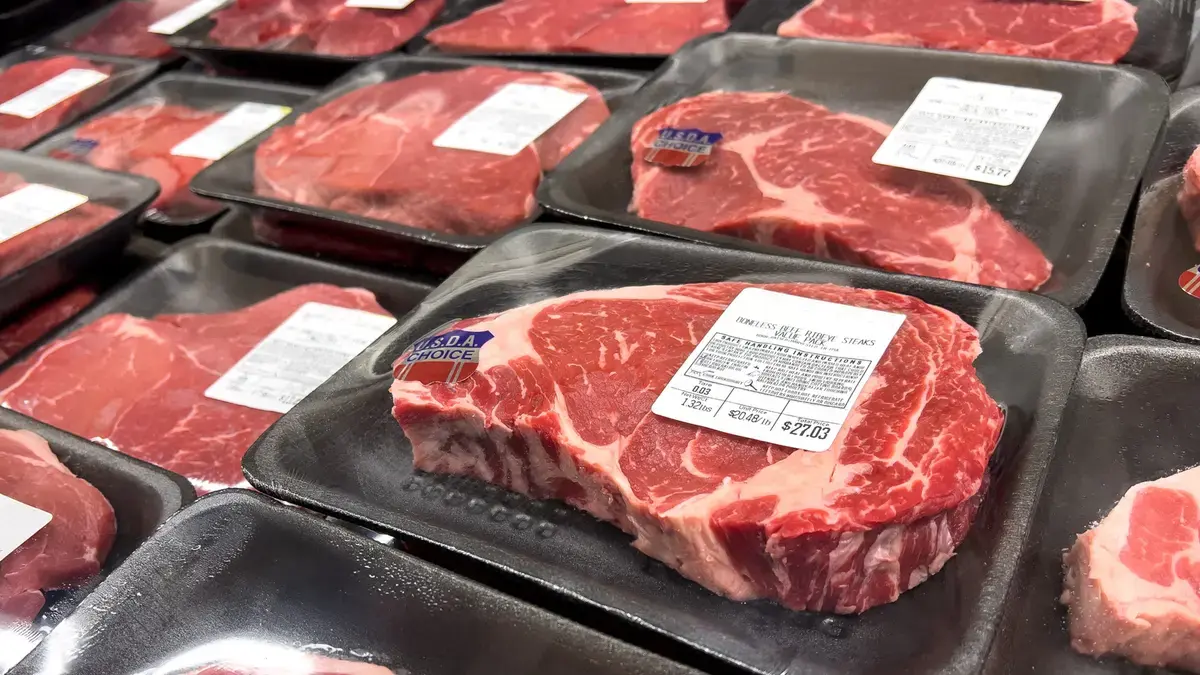
Picking the Perfect Ribeye
The Marbling Factor
Meat lovers can rejoice when they know how to select a top-notch ribeye at the grocery store. This cut of steak is prized for its tenderness and rich flavor. The ribeye comes from the area between a cow's ribs.
Latest news
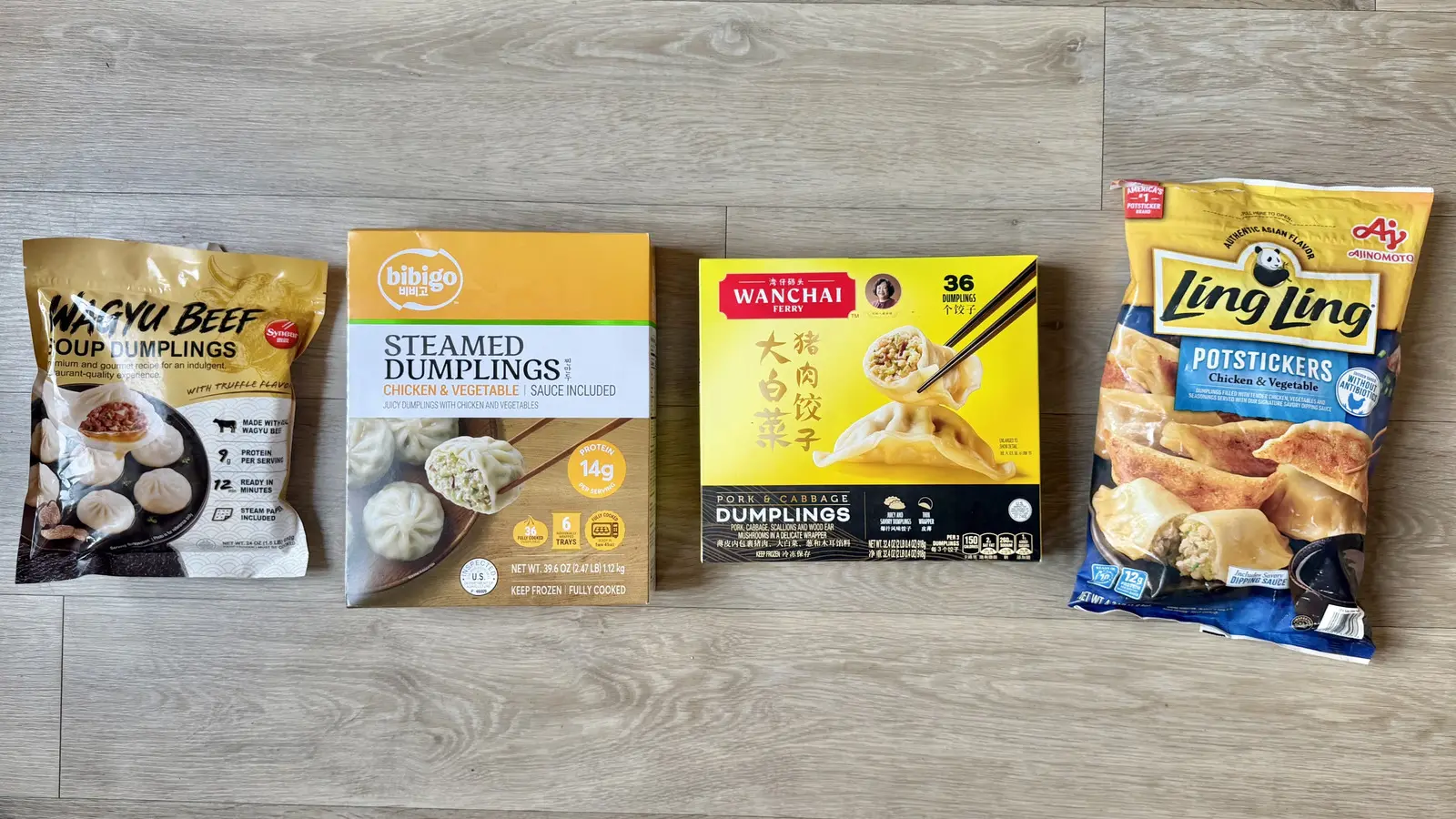 Costco's Frozen Dumpling Lineup, Ranked From Least To Most Tasty
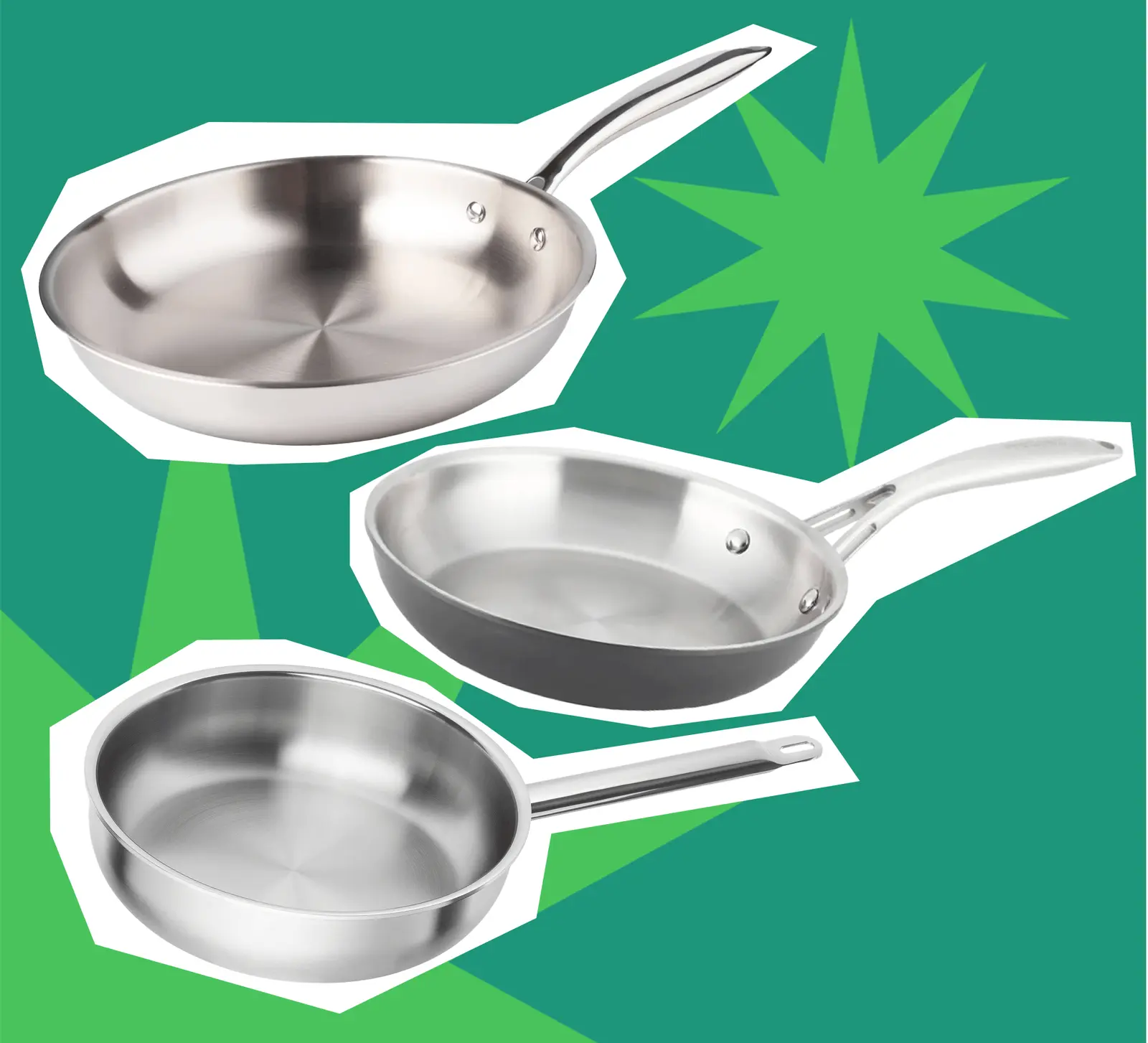 Best stainless-steel frying pans 2026: expert-tested picks for searing, eggs and daily cooking
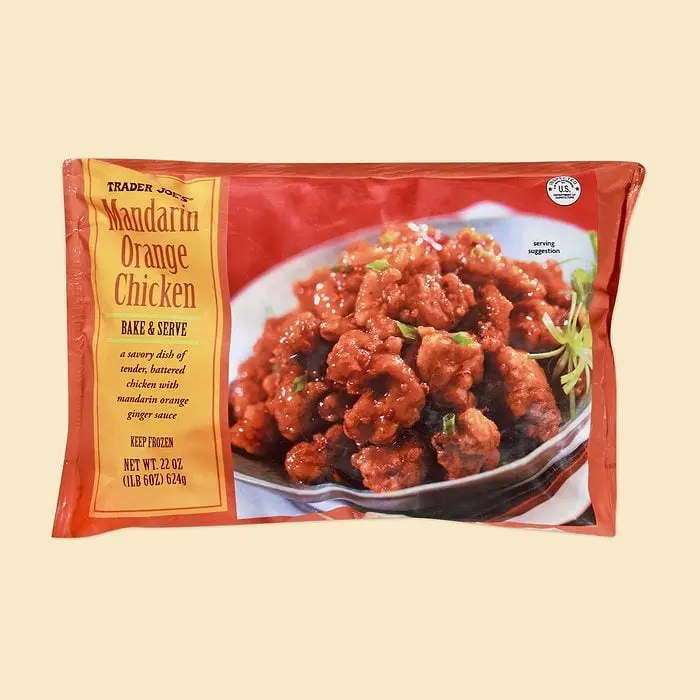 Trader Joe’s First‑Time Shopper Guide: Must‑Try Items
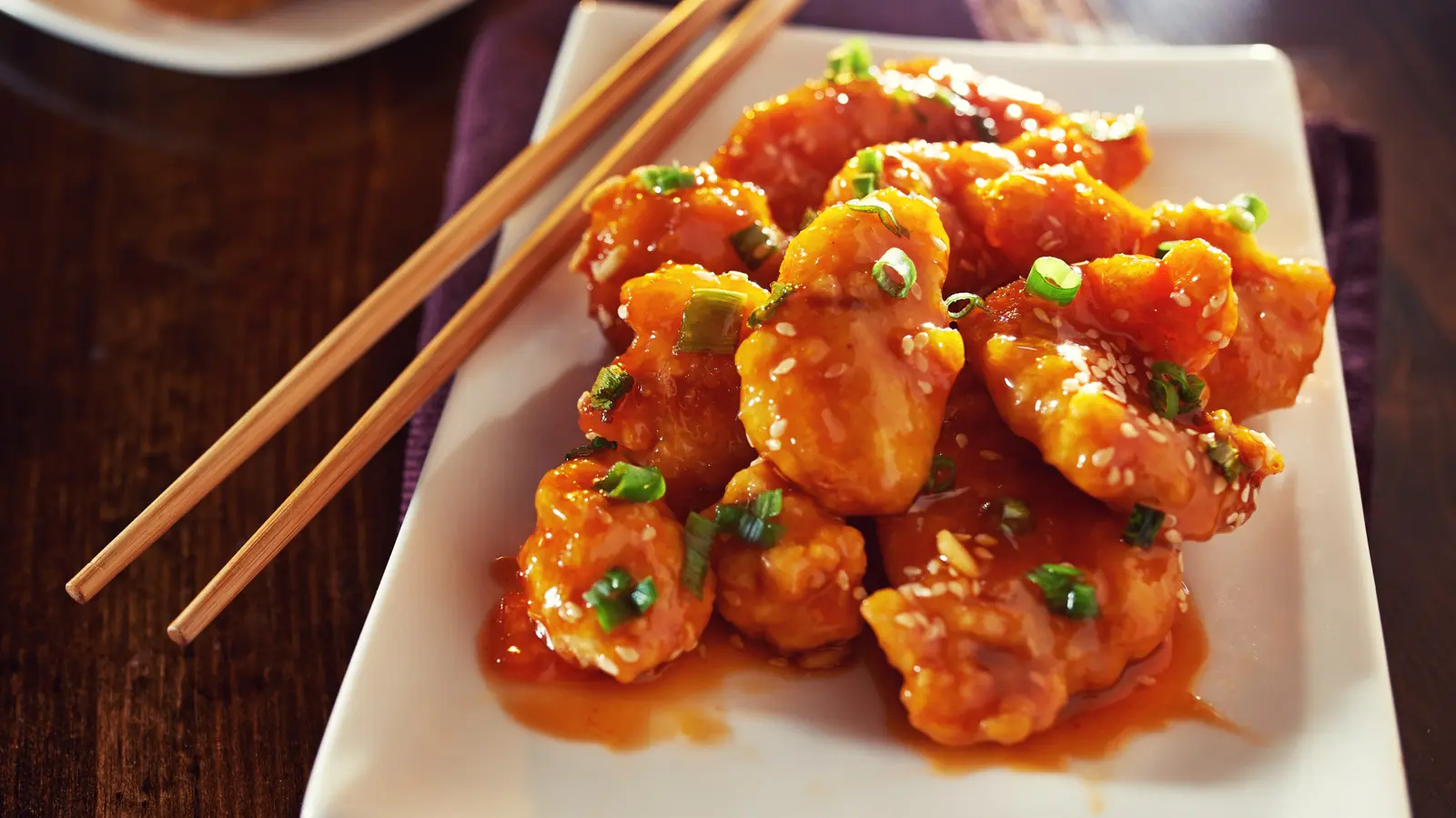 Panda Express vs P.F. Chang's: Which Orange Chicken Is Healthier?
A ribeye is a highly sought-after cut due to its ultra-tender and super flavorful characteristics. To get the best one, some expert guidance is necessary. The ribeye's quality is largely determined by its marbling, which is the amount of fat dispersed throughout the meat.
What to Look for on the Label?
Marbling is crucial as it directly affects the steak's tenderness and flavor. A well-marbled ribeye will be more juicy and have a more complex taste profile. When shopping, look for a ribeye with a good distribution of fat throughout the meat.
When choosing a ribeye, check the label for the level of marbling, the cut's thickness, and the type of feed the cattle were raised on. Grass-fed beef, for instance, can have a different flavor profile compared to grain-fed beef.
Frequently Asked Questions
The quality of the ribeye can also depend on the aging process. Some ribeyes are dry-aged, which concentrates the flavor, while others are wet-aged, which helps retain moisture. Understanding these differences can help in making an informed decision.
Is grass-fed ribeye better than grain-fed? Grass-fed ribeye has a leaner profile and a more distinct flavor, while grain-fed is often more marbled and tender. What is the ideal thickness for a ribeye steak? A thickness of at least 1.5 inches is recommended for a good ribeye. Does dry-aging make a difference in the flavor? Yes, dry-aging concentrates the flavor and can result in a more intense taste experience.
Content written by Isabelle Fontaine for fancy-meals.com editorial team, AI-assisted.