Perfect Guacamole: Chef Secrets for a Creamy, Balanced Dip
The Science Behind a Silky Texture
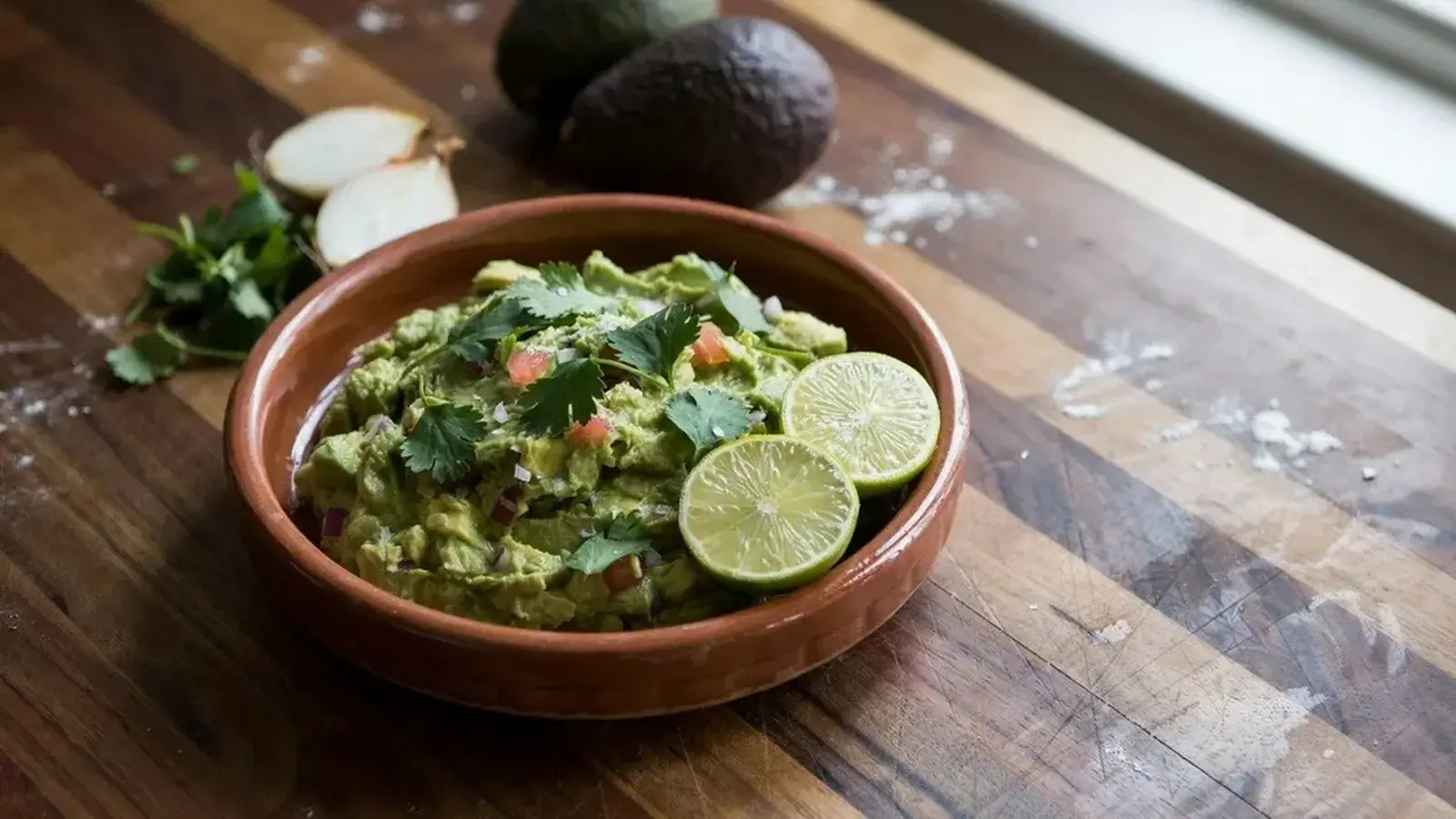
A team of seasoned chefs shared their top ten techniques for crafting flawless guacamole in a recent culinary roundup published on September 20, 2026. The guidelines, gathered from kitchens across the United States, aim to help home cooks achieve the ideal mix of salty, fatty, and acidic notes while preserving the avocado’s natural creaminess.
Latest news
 The Ultimate Homemade Chili Recipe for Cold Weather
 The Nutritional Power of Pumpkin Beyond Seasonal Desserts
 A Culinary Journey Through the 30th Epcot International Food and Wine Festival
 Burger King Unleashes Hello Kitty Kids' Meal with Ultra-Rare Golden Collectible
The chefs stress that the key to a standout guacamole lies in ingredient quality, timing, and technique. They recommend using ripe Hass avocados, freshly squeezed lime, and a pinch of sea salt, then layering flavors gradually rather than mixing everything at once. Temperature control, proper mashing tools, and the right amount of texture‑adding ingredients also play crucial roles. By following these steps, even beginners can produce a dip that rivals restaurant standards.
Professional kitchens treat avocado mash like a delicate emulsion. Chefs explain that over‑mashing releases too much oil, resulting in a greasy mouthfeel, while under‑mashing leaves large chunks that disrupt the smooth base. They advise using a wide‑bodied wooden spoon or a gentle masher, pressing just enough to break the flesh while keeping some micro‑chunks for bite.
How Do Add‑Ins Influence Flavor Balance?
Seasoning timing matters, too. Salt should be added early to draw out moisture and enhance flavor, but lime juice is best folded in at the end to prevent the avocado from oxidizing too quickly. Some chefs even chill the bowl for a few minutes before serving, allowing the flavors to meld without sacrificing the dip’s bright color.
Beyond the basics, the chefs discuss the impact of mix‑ins such as diced tomatoes, red onion, cilantro, and jalapeño. Each component contributes a specific element: tomatoes add juiciness, onions bring sharpness, cilantro offers herbaceous freshness, and jalapeños supply heat. The experts caution against overloading the dip, which can mask the avocado’s buttery profile. Instead, they suggest a measured approach—about one tablespoon of each add‑in per two avocados—so that every bite delivers a harmonious blend of textures and tastes.
The article also highlights the importance of sourcing ingredients responsibly. Chefs recommend buying avocados that yield slight give when gently pressed and avoiding those with dark spots, which indicate overripeness. For lime, they suggest using organic fruit to avoid pesticide residues that could alter the dip’s acidity.
In the coming months, these chef‑approved tips are expected to influence home cooking trends, especially as guacamole continues to dominate party menus and casual gatherings. With clear guidance on texture, seasoning, and add‑ins, more households will likely serve guacamole that rivals any upscale Mexican restaurant, elevating the staple dip from snack to centerpiece.
Frequently Asked Questions
What is the best tool for mashing avocados? A wide wooden spoon or a sturdy potato masher works best; they allow control over chunk size without over‑processing the fruit.
Should I add lime juice before or after seasoning? Add salt early to draw out moisture, then fold in lime juice at the end to preserve the avocado’s bright color and fresh acidity.
How long can freshly made guacamole stay fresh? When stored in an airtight container with a thin layer of lime juice on top, it stays vibrant for up to 24 hours in the refrigerator.
Content written by [email protected] (Jane Godiner) for fancy-meals.com editorial team, AI-assisted.