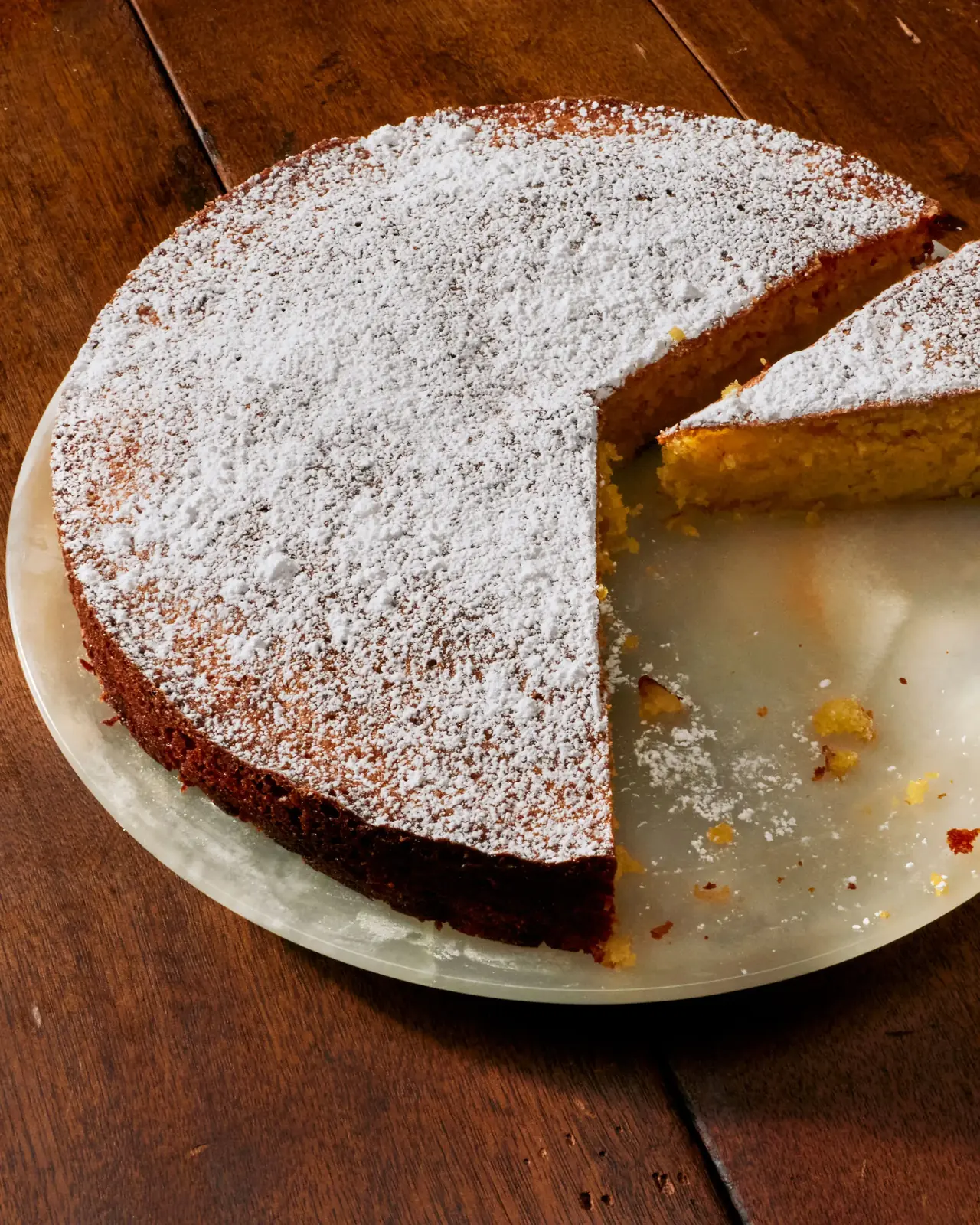
Pear Tarta de Santiago Shines as a Versatile Morning and Evening Treat
A Modern Take on a Historic Classic
A new pastry called Pear Tarta de Santiago is gaining attention in cafés across Spain and beyond. Created by pastry chef James Martin, the tart debuted on September 1, 2026, and quickly became a favorite for both breakfast coffee and after‑dinner amaro. Photographed by Elliott Jerome Brown Jr., the dessert features a buttery crust, caramelized pears, and a dusting of almond flour, echoing the traditional almond cake of Santiago de Compostela.
Latest news
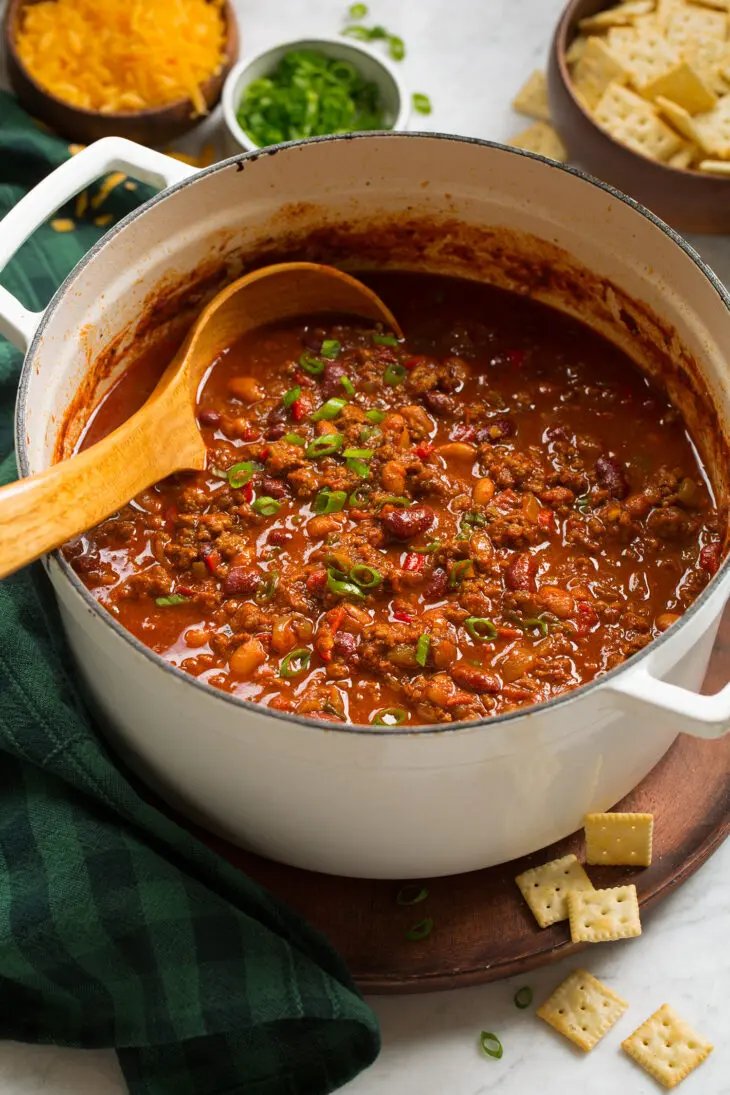 The Ultimate Homemade Chili Recipe for Cold Weather
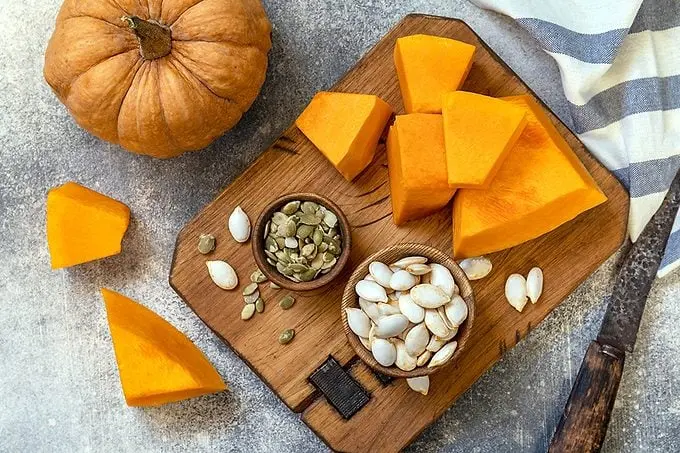 The Nutritional Power of Pumpkin Beyond Seasonal Desserts
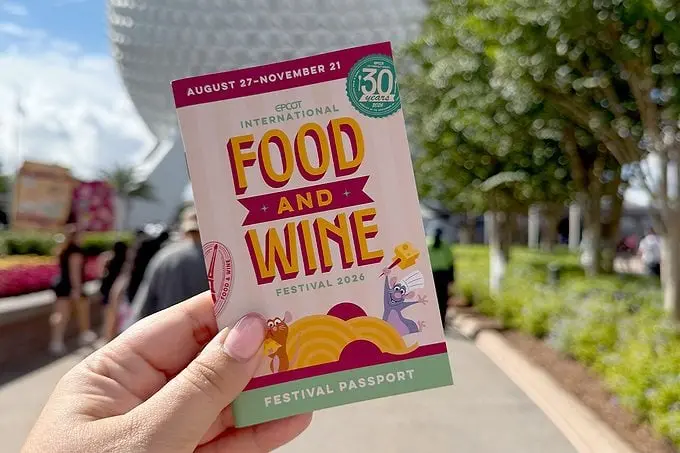 A Culinary Journey Through the 30th Epcot International Food and Wine Festival
 Burger King Unleashes Hello Kitty Kids' Meal with Ultra-Rare Golden Collectible
The tart’s success stems from its balance of sweet and nutty flavors, which complement the bitterness of espresso in the morning and the herbal notes of amaro at night. Martin developed the recipe after experimenting with regional ingredients, aiming to honor the classic Tarta de Santiago while adding a fresh fruit twist. The pastry’s almond base, made from locally sourced ground almonds, provides a gluten‑free option, while the poached pears bring natural moisture and a subtle tartness. Food stylists Micah Morton and Emma Ringness helped present the dish in a way that highlights its rustic elegance, contributing to its viral spread on social media.
The original Tarta de Santiago is a simple almond cake that dates back to the 12th century, traditionally marked with the cross of Saint James. Martin’s version respects that heritage but replaces the dense cake with a light, open‑faced tart. „I wanted to keep the spirit of the almond flavor but give it a lighter texture that works with fruit,” Martin explained. The pears are sourced from orchards in Galicia, where the climate yields a sweet, slightly acidic fruit that pairs perfectly with the almond crust. The tart is finished with a thin glaze of honey and a sprinkle of powdered sugar shaped into the iconic cross, linking past and present.
Why Is It Perfect With Both Coffee and Amaro?
Coffee’s acidity and bitterness are softened by the tart’s caramel notes, while the almond base mirrors the nutty undertones of many espresso blends. In the evening, the same almond richness enhances the herbal complexity of amaro, a bitter Italian liqueur often enjoyed after dinner. Bartenders in Madrid have begun serving the tart alongside a shot of amaro, noting that the dessert’s sweetness prevents the drink from feeling overly harsh. „It’s a harmonious pairing,” said bartender Lucia Ortega. „The tart acts as a bridge, making the amaro more approachable for those who might find it too bitter on its own.”
The pastry’s versatility has encouraged cafés to feature it on both breakfast and dessert menus, boosting sales during traditionally slower periods. Early data from a chain of boutique cafés in Barcelona shows a 20 % increase in morning traffic and a 15 % rise in evening patronage after adding the tart to their offerings.
Industry analysts predict that the Pear Tarta de Santiago could become a staple in Mediterranean bakeries worldwide. Its gluten‑free almond base aligns with growing dietary trends, while its dual‑purpose pairing appeals to a broad audience. As chefs experiment with other seasonal fruits, variations such as fig or quince may emerge, further cementing the tart’s place in contemporary pastry culture.
Frequently Asked Questions
Is the Pear Tarta de Santiago gluten‑free? Yes, the crust is made entirely from ground almonds, making it suitable for those avoiding wheat.
Can the tart be made with other fruits? While pears are the traditional choice, chefs have successfully substituted figs, quince, or apples, adjusting the caramel glaze accordingly.
How long does the tart stay fresh? Stored in a refrigerator, the tart retains its texture and flavor for up to three days; it is best served at room temperature for optimal taste.
Content written by Lucas Carter for fancy-meals.com editorial team, AI-assisted.