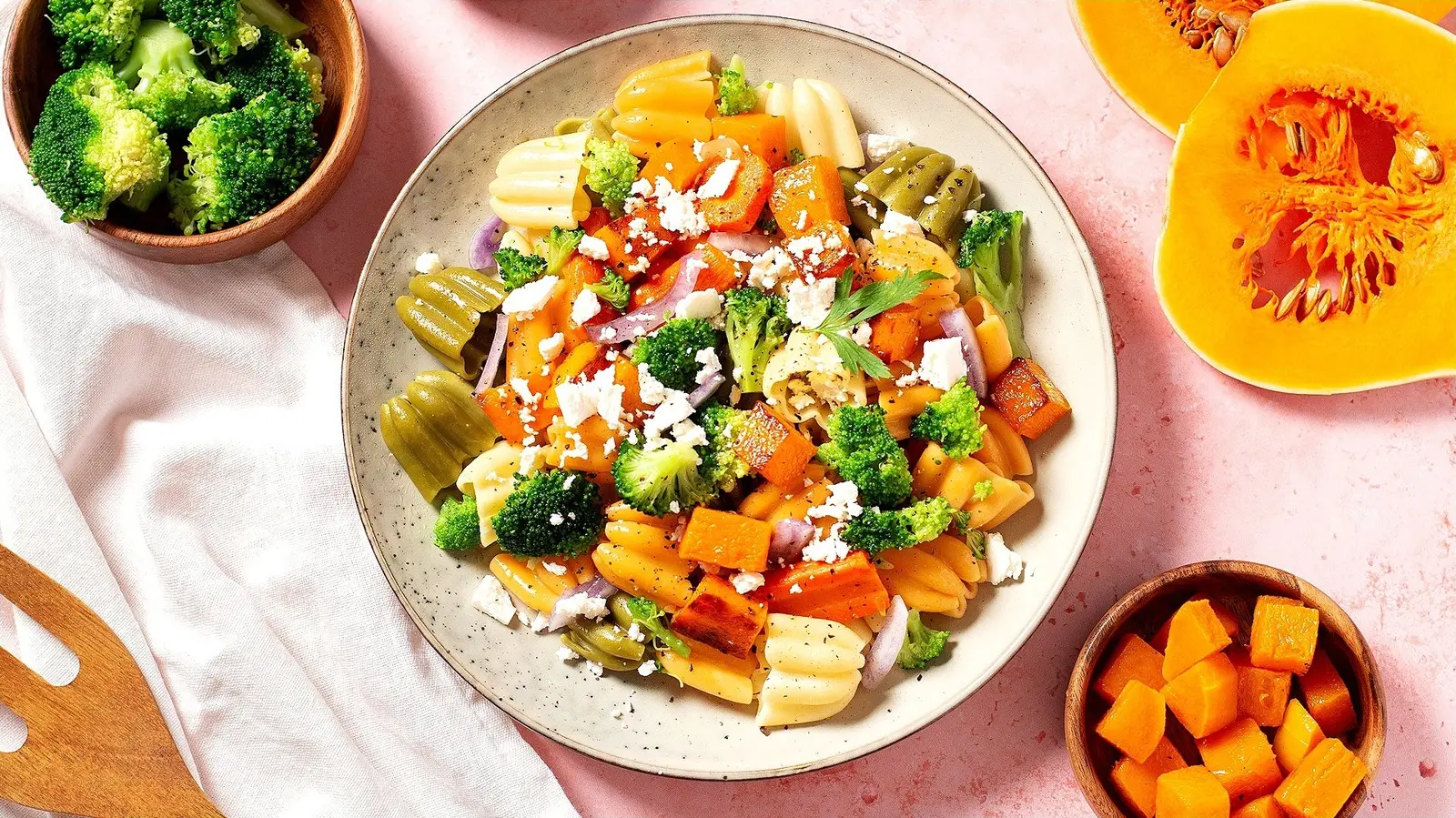
Pasta Salad Gets a Cozy Autumn Makeover With Seasonal Ingredients
Swapping Summer Staples for Harvest Flavors
Pasta salad is often viewed strictly as a warm-weather dish. However, culinary experts are now proving it works beautifully in cooler months. By swapping out light summer produce for hearty autumn crops, the dish transforms entirely. This approach turns a simple side into a festive centerpiece. The shift relies on specific seasonal additions that complement cold weather dining. Chefs emphasize that flavor depth matters more than temperature during this time of year.
Latest news
 Anthony Bourdain’s Most Unforgettable Meals on „No Reservations”
 Mastering the Art of Perfect Pie Baking
 Chocolate Peppermint Whoopie Pies: Holiday Treats Made Easy With Boxed Mix
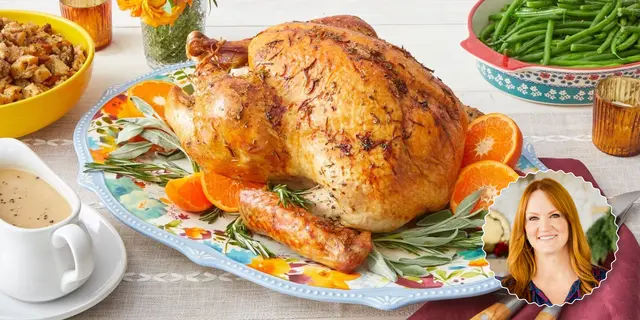 Ree Drummond Shares 10 Tips for the Perfect Thanksgiving Turkey
The transition involves replacing standard tomatoes and cucumbers with robust alternatives. Roasted root vegetables provide necessary sweetness and texture. Warm spices like nutmeg and cinnamon add complexity without overwhelming the base. These changes create a dish that feels appropriate for harvest festivals. It also serves as a comforting option for family gatherings. The method requires minimal effort but yields significant results. Home cooks can easily adapt their existing recipes with these new components.
Why Warm Spices Elevate Cold Weather Noodles
The core strategy involves identifying which summer ingredients clash with fall aesthetics. Bright green herbs may lose their vibrancy against dark, earthy tones. Instead, focus on ingredients that naturally appear in October markets. Butternut squash offers a creamy interior that pairs well with firm pasta shapes. Cranberries introduce a tart acidity that cuts through rich dressings. Walnuts and pecans contribute a satisfying crunch. These elements mimic the texture of traditional holiday sides. The visual appeal becomes equally important as the taste profile. Darker hues dominate the plate, signaling the change in season. This visual cue helps diners associate the food with the current weather.
Spices play a critical role in warming up the palate. Standard Italian herbs like oregano remain acceptable but lack seasonal specificity. Cinnamon and cardamom offer a distinct aromatic profile. A pinch of black pepper enhances the natural sugars in roasted vegetables. Garlic and shallots should be cooked until deeply golden. This browning process creates a savory foundation for the salad. Dressings might shift from vinaigrettes to cream-based emulsions. Heavy cream or mascarpone adds richness that suits colder temperatures. The fat content helps insulate the body, a concept rooted in nutritional science. Combining these dairy elements with sharp cheeses creates balance. The result is a dish that feels substantial yet not overly heavy.
Can I use hot pasta for this fall version? Yes, using warm pasta helps release the flavors of the spices. It also allows the cheese to melt slightly into the mix. Ensure the pasta is drained well to prevent sogginess.
Frequently Asked Questions
Which pasta shapes work best with chunky vegetables? Rigatoni and penne are ideal choices for this application. Their hollow centers hold onto the dressing and small vegetable pieces effectively. Avoid delicate shapes like angel hair for this recipe.
How long does the finished salad last in the fridge? The dish remains safe to eat for up to three days. Store it in an airtight container to maintain freshness. Reheat gently on the stovetop before serving if desired.