Not Tajín: A Dash Of This Seasoning Is All Cantaloupe Needs For A Major Flavor Boost
A small amount is enough to awaken the palate, turning a plain slice into a
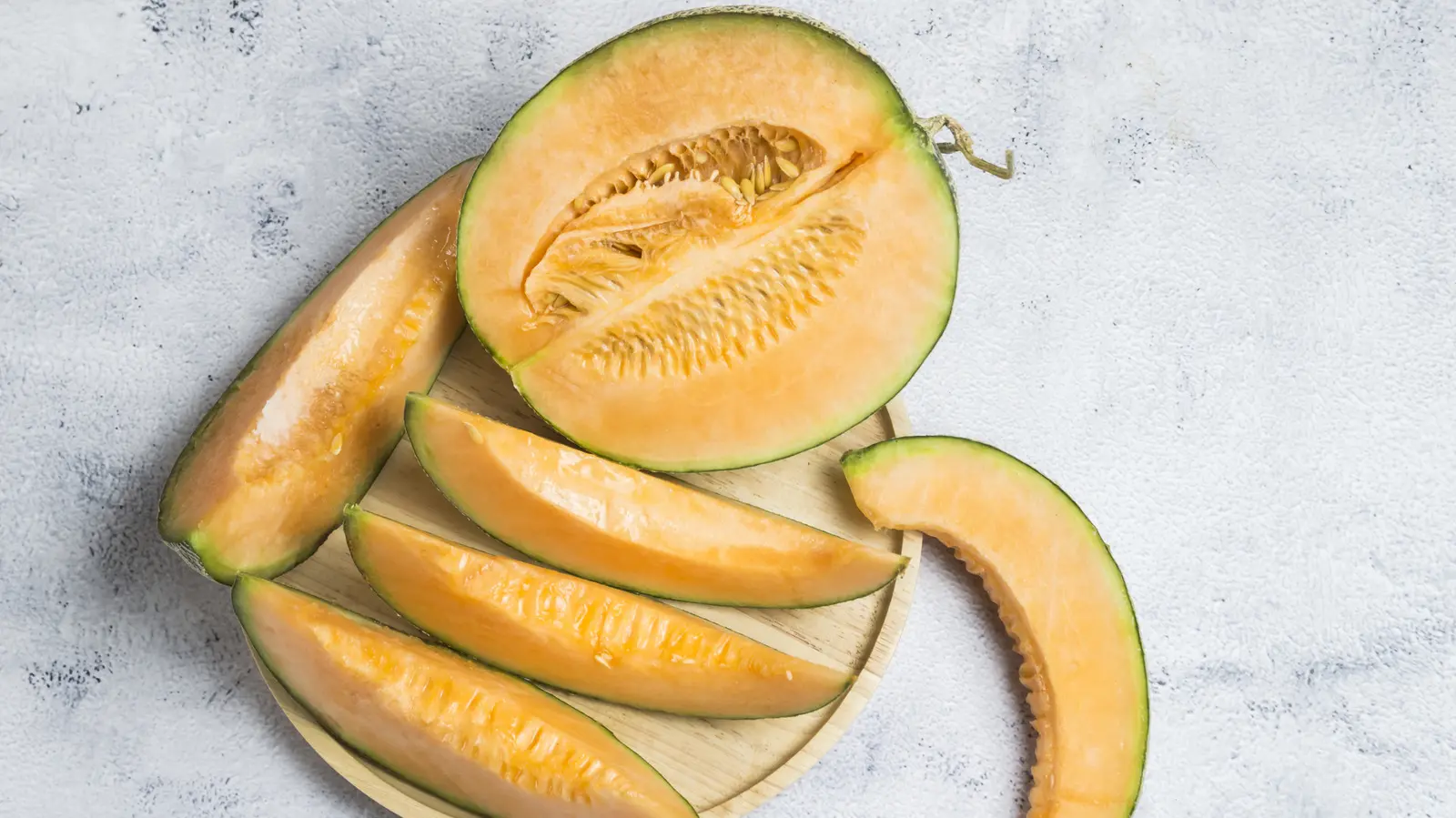
Cantaloupe, a popular summer fruit often enjoyed for its natural sweetness, can be transformed into a more complex and savory treat with just a light sprinkle of a specific seasoning blend. This simple enhancement, rooted in Mexican culinary tradition, adds depth without overpowering the fruit’s delicate flavor. The technique has gained attention among home cooks looking to elevate everyday snacks with minimal effort. Originally produced in Mexico, Tajín seasoning debuted in the United States in the early 1990s, created to help Latin American cooks authentically season their dishes with a balance of chili, lime, and salt. While widely known for rimming drinks or dusting street foods like elote and mango, its use on sweet fruits such as cantaloupe has become a favored trick for those seeking a tangy, spicy contrast.
Latest news
 The Ultimate Homemade Chili Recipe for Cold Weather
 The Nutritional Power of Pumpkin Beyond Seasonal Desserts
 A Culinary Journey Through the 30th Epcot International Food and Wine Festival
 Burger King Unleashes Hello Kitty Kids' Meal with Ultra-Rare Golden Collectible
A small amount is enough to awaken the palate, turning a plain slice into a vibrant, restaurant-style bite. Why This Combination Works The effectiveness of Tajín on cantaloupe lies in its ability to stimulate multiple taste receptors at once. The citric acid from dried lime brightens the fruit’s natural sugars, while the chili powder adds a gentle heat that enhances perception of sweetness. Salt, the third key component, suppresses bitterness and amplifies flavor overall. Food scientists note that this trio creates a harmonious contrast that makes each bite more dynamic and satisfying. Chefs recommend using no more than a light dusting—about one-eighth of a teaspoon per cup of fruit—to avoid overwhelming the melon’s subtlety. How Much Should You Really Use? For those new to the practice, starting with a minimal amount is advised to gauge personal preference.
A few shakes from the container, distributed evenly over freshly cut cantaloupe
A few shakes from the container, distributed evenly over freshly cut cantaloupe, typically provide the desired effect without making the fruit taste salty or spicy. Some enthusiasts prefer to toss the fruit in a bowl with the seasoning for even coverage, while others sprinkle it directly onto slices just before serving. The method works equally well with chilled or room-temperature cantaloupe, making it ideal for picnics, breakfast platters, or afternoon snacks. Frequently Asked Questions Can I use Tajín on other types of melon? Yes, the seasoning pairs well with honeydew, watermelon, and even cantaloupe’s close relative, galia melon. The same principles apply: a small amount enhances sweetness while adding a savory kick. Is Tajín spicy enough to be uncomfortable? When used in moderation, Tajín delivers a mild warmth rather than intense heat.
The chili variety used is typically guajillo or pasilla, which are fruity and low on the Scoville scale, making it suitable for most palates. Does the seasoning lose its effectiveness over time? Tajín retains its flavor best when stored in a cool, dry place away from direct sunlight. For optimal taste, it’s recommended to use it within six months to a year of opening, though it remains safe to consume beyond that period if kept dry.
Content written by [email protected] (Mahalia Cooks) for fancy-meals.com editorial team, AI-assisted.