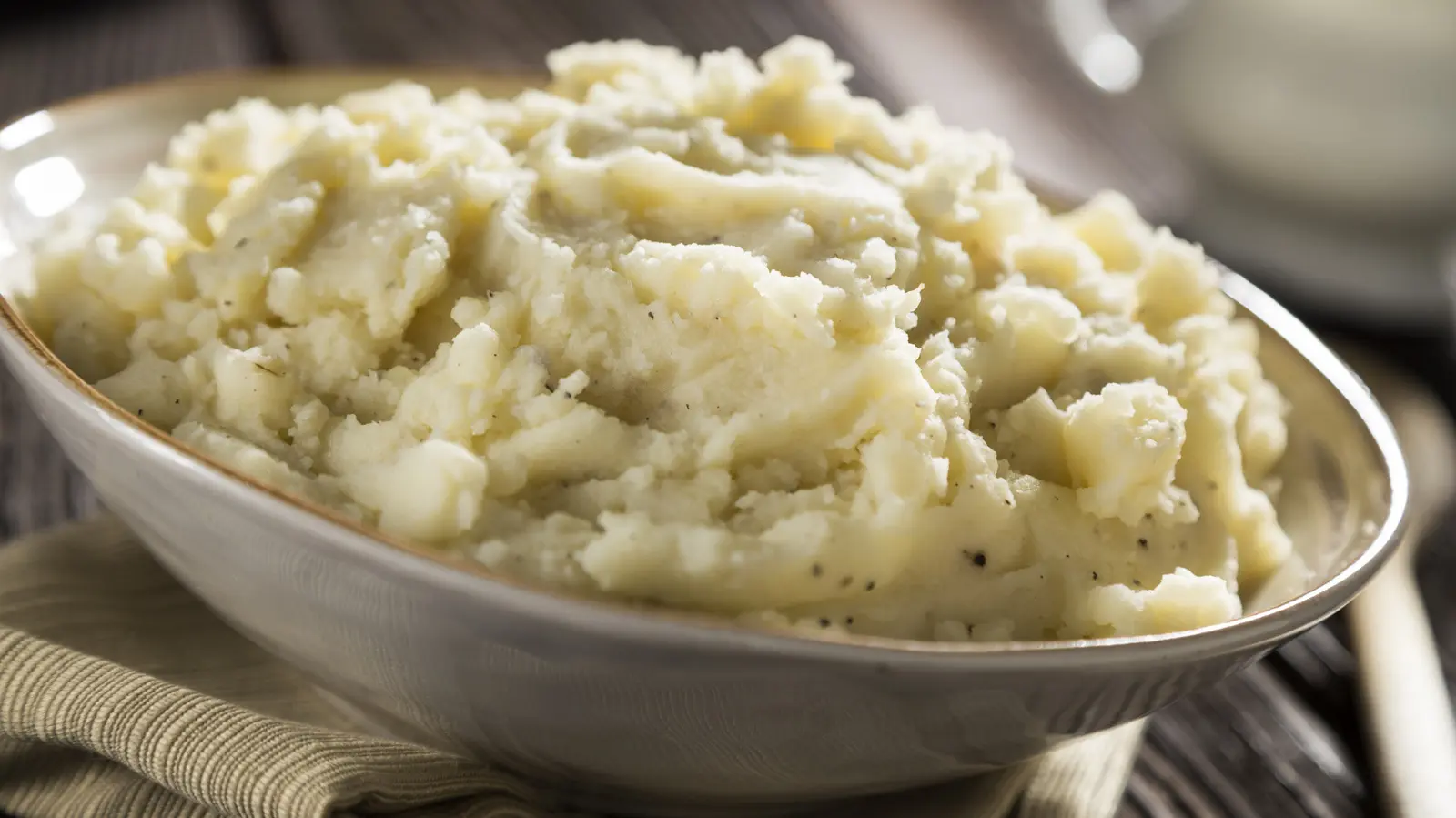
Next Time You Make Mashed Potatoes, Take Inspo From Outback Steakhouse For A Huge Flavor Boost
Home cooks can replicate this by gently heating butter, cream
Home cooks looking to elevate a simple side dish can borrow a technique from Outback Steakhouse to transform basic mashed potatoes into a restaurant-worthy accompaniment. The chain’s method, which emphasizes rich texture and layered seasoning, offers a practical way to add depth without complicated ingredients or hard-to-find items. This approach works especially well for weeknight meals or holiday spreads where comfort food meets a touch of indulgence. The inspiration comes from Outback’s signature preparation, which involves warming dairy before mixing it into the potatoes and using a combination of butter, cream, and seasonings added gradually to build flavor. Rather than mashing cold potatoes with straight-from-the-fridge milk, heating the butter and cream first helps emulsify the mixture, resulting in a smoother, creamier texture.
Latest news
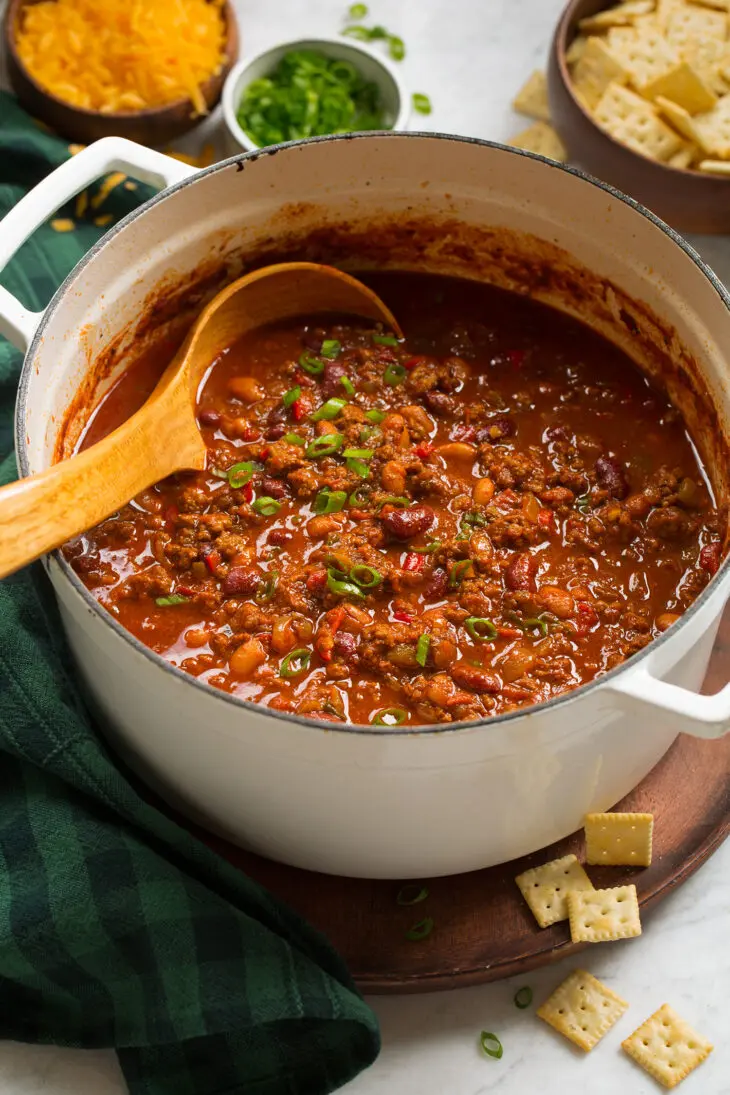 The Ultimate Homemade Chili Recipe for Cold Weather
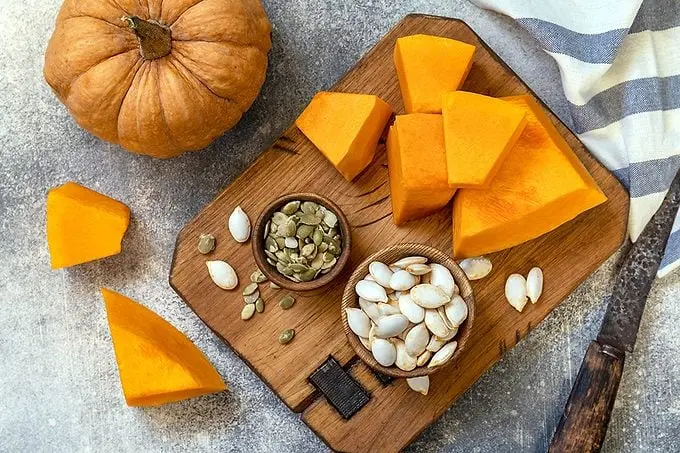 The Nutritional Power of Pumpkin Beyond Seasonal Desserts
 A Culinary Journey Through the 30th Epcot International Food and Wine Festival
 Burger King Unleashes Hello Kitty Kids' Meal with Ultra-Rare Golden Collectible
Garlic, salt, and pepper are introduced at different stages to ensure even distribution, preventing bland patches and enhancing the overall savoriness. How Temperature Affects Texture and Taste Warming the liquids before incorporation is a small step with significant impact. Cold dairy can cool the potatoes too quickly, leading to a gummy or uneven consistency when overworked. By contrast, warm butter and cream integrate more easily, reducing the need for excessive mashing that releases too much starch and makes potatoes gluey. This technique preserves the potato’s natural structure while allowing fats to coat the particles evenly, creating a luxurious mouthfeel.
Home cooks can replicate this by gently heating butter, cream, or milk in a saucepan until just warm to the touch—never boiling—before slowly incorporating it into the mashed potatoes. Why Seasoning Timing Matters More Than You Think Adding salt and pepper in stages, rather than all at once, allows for better control over flavor development. Outback’s approach likely involves seasoning the cooking water, then adjusting after mashing, and finishing with a final touch of butter and herbs. This layering ensures the salt penetrates the potatoes during cooking and enhances the fat’s ability to carry flavor. Garlic, if used, is often sautéed in butter first to mellow its sharpness and infuse the fat, which then distributes evenly through the dish.
The payoff is a side dish that feels indulgent yet approachable
The result is a more complex taste profile where no single element overpowers, but each contributes to a balanced, satisfying bite. Can This Method Work With Dietary Adjustments? Yes, the core principles apply even when substituting ingredients. For dairy-free versions, warm olive oil or plant-based butter can replace traditional fats, while unsweetened almond or oat milk heated gently works as a cream alternative. The key remains maintaining temperature control and gradual incorporation to avoid texture issues. Vegan cooks might also consider adding nutritional yeast or roasted garlic for umami depth. Regardless of dietary needs, the focus on technique over specific ingredients makes this method adaptable without sacrificing the goal of richer, more flavorful mashed potatoes. Applying these restaurant-inspired tweaks doesn’t require professional skills or specialty tools—just attention to timing and temperature.
The payoff is a side dish that feels indulgent yet approachable, turning a humble staple into something that complements steaks, roasted vegetables, or holiday mains with confidence. As home cooking continues to prioritize both comfort and quality, small adjustments like these offer a bridge between everyday meals and the flavors typically reserved for dining out. Frequently Asked Questions Why should I warm the butter and cream before adding them to mashed potatoes? Warming the fats and liquids helps them blend smoothly into the potatoes without cooling them down too much, which prevents a gummy texture and allows for even distribution of richness. Can I use this method if I’m making mashed potatoes ahead of time? Yes, you can prepare them using this technique and reheat gently over low heat, adding a splash of warm cream or milk to restore creaminess if they thicken during storage.
Is it necessary to sauté garlic in butter first for the best flavor? Sautéing garlic in butter before adding it to the potatoes mellows its raw edge and infuses the fat, leading to a more balanced and aromatic result compared to adding raw or boiled garlic directly.
Content written by Isabelle Fontaine for fancy-meals.com editorial team, AI-assisted.