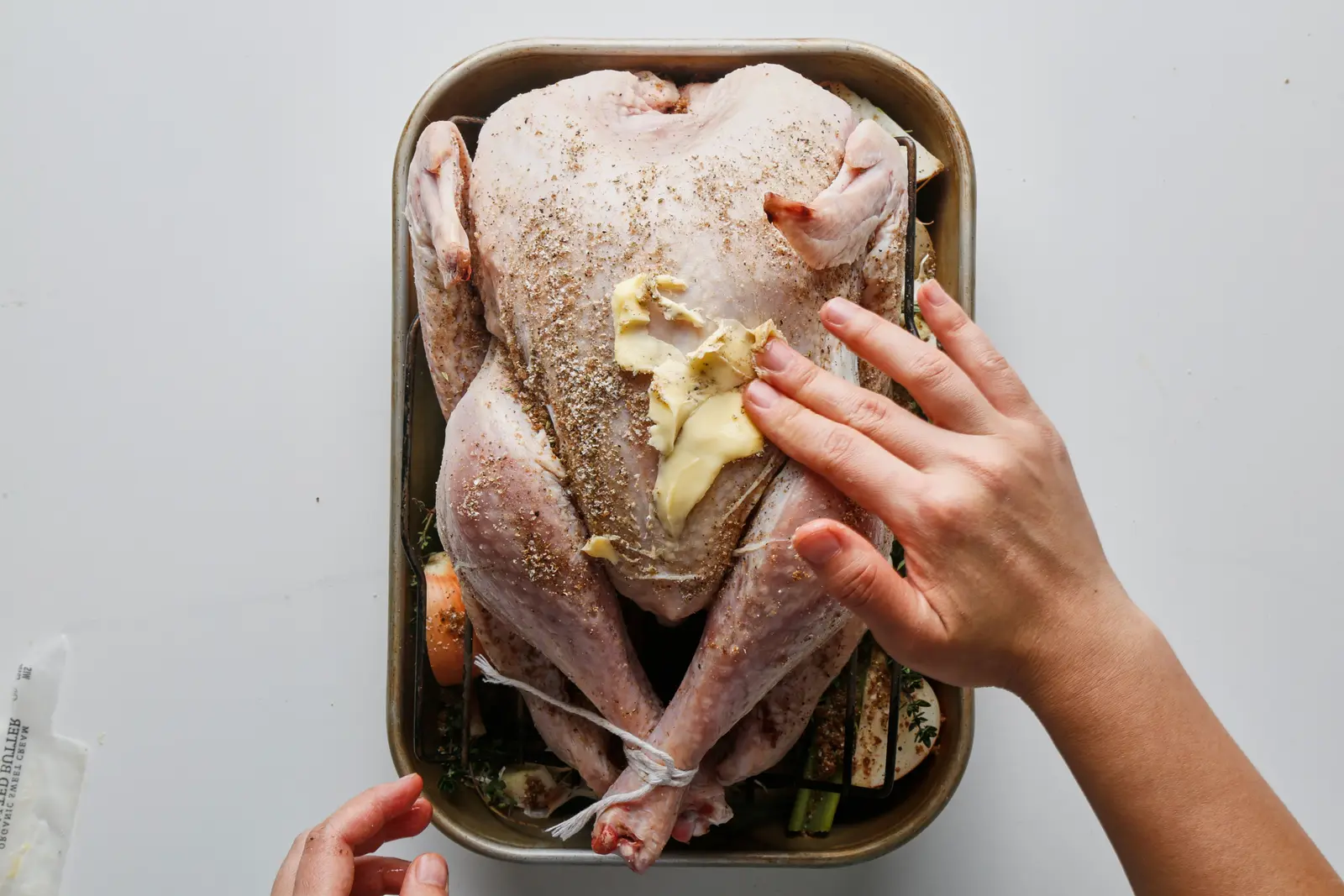
Mastering the Perfect Turkey Roast by Weight
Calculating Time Based on Bird Size
Thanksgiving dinner success often depends on precise timing. Home cooks frequently struggle with determining the exact duration needed to roast a turkey. This challenge is particularly acute during the holiday season when large gatherings are common. Getting the timing wrong leads to disappointing results. Dry meat ruins the meal for many families. Understanding weight-based cooking times is essential for success.
Latest news
 Anthony Bourdain’s Most Unforgettable Meals on „No Reservations”
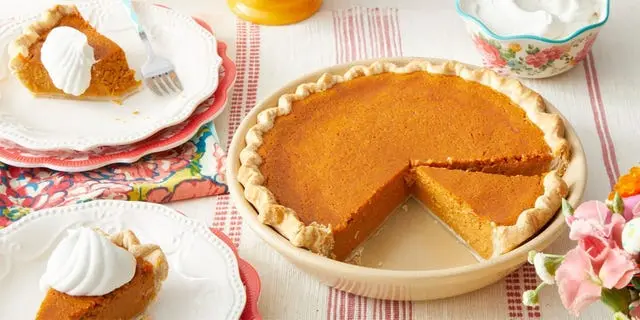 Mastering the Art of Perfect Pie Baking
 Chocolate Peppermint Whoopie Pies: Holiday Treats Made Easy With Boxed Mix
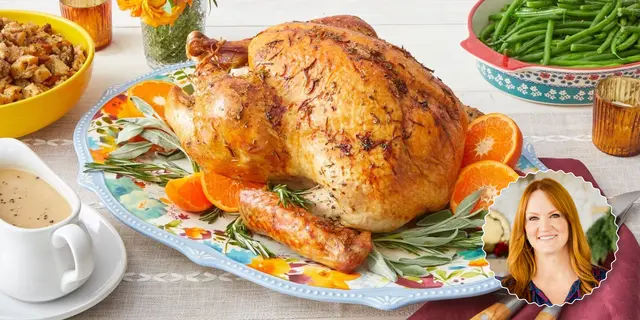 Ree Drummond Shares 10 Tips for the Perfect Thanksgiving Turkey
Turkey meat is naturally lean, making it susceptible to drying out. The bird's size creates thickness variations across different sections. Thinner parts like the breast cook faster than the thicker leg meat. This disparity complicates the roasting process significantly. Overcooking is the most common mistake made by novice chefs. The result is often tough, flavorless meat that disappoints guests.
Accurate cooking requires knowing the turkey's specific weight. Standard guidelines suggest roasting at a consistent temperature. For an unstuffed turkey, the time varies greatly by mass. A smaller bird takes significantly less time than a large one. Weighing the bird before preparation is a critical first step. This measurement allows for precise calculation of the required duration.
Why Temperature Matters More Than Time
Most culinary experts recommend using a meat thermometer. Visual cues are unreliable for determining doneness. The internal temperature must reach specific safe levels. The breast meat should hit 165 degrees Fahrenheit. The thigh area requires a slightly higher temperature. Checking multiple spots ensures even cooking throughout the bird. This method prevents the common issue of undercooked legs or dried-out breasts.
While weight provides a baseline, temperature is the true indicator. Every oven performs differently, affecting the actual cooking speed. Relying solely on time can lead to errors. A preheated oven ensures consistent heat distribution from the start. Placing the turkey on a rack allows air circulation. This promotes even browning and crisp skin formation.
Resting the turkey after cooking is equally important. Allowing the meat to sit for twenty minutes helps redistribute juices. This step prevents moisture loss when the bird is carved. Skipping the rest period results in dry slices. The juices flow back into the meat during this pause. This simple technique enhances the overall texture and flavor profile.
Frequently Asked Questions
How do I know if the turkey is fully cooked? Use a digital meat thermometer to check the internal temperature. The breast should read 165 degrees Fahrenheit, while the thigh should reach 175 degrees. Always verify both areas to ensure safety and quality.
Does stuffing the turkey change the cooking time? Yes, stuffing adds significant time to the roasting process. The heat must penetrate the center of the stuffing as well. This can add anywhere from thirty minutes to an hour to the total time.
What is the best oven temperature for roasting a turkey? A standard roasting temperature is 325 degrees Fahrenheit. This moderate heat allows the meat to cook through without burning the skin. Higher temperatures may brown the exterior too quickly.