Make Scrambled Eggs Taste Like A $20 Brunch By Adding This Creamy Italian Dairy
The fundamental difference between mascarpone and standard
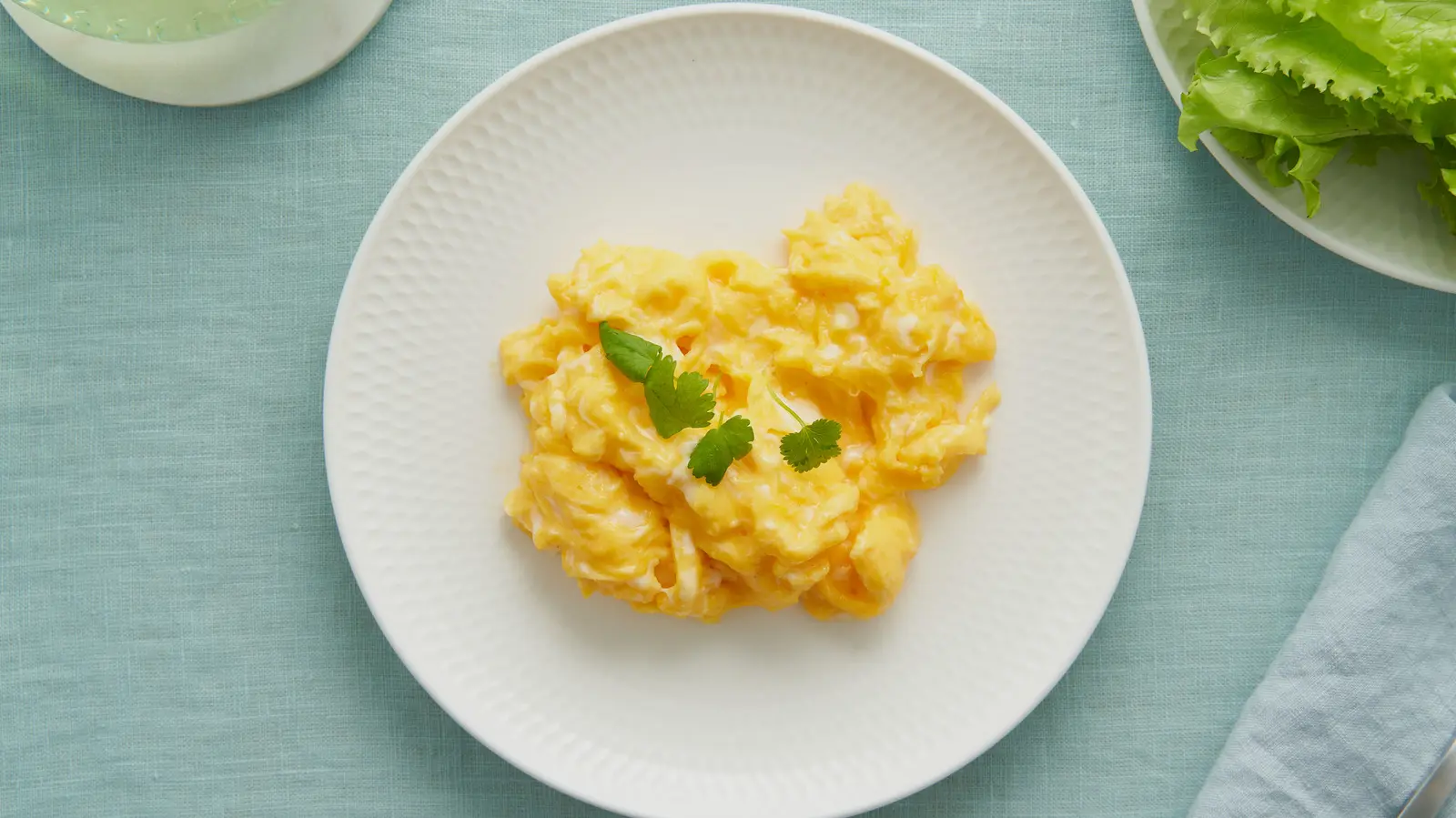
Turning a simple omelette into a luxurious culinary experience, equivalent to a sophisticated $20 brunch, becomes accessible by incorporating a cream Italian dairy product, which is not ricotta. Whether it's breakfast, lunch, dinner, or even an afternoon snack - a practice I often practiced as a youth after training - a generous serving of roasted, soft, airy eggs is a satisfying and delicious meal, providing not only essential protein but also a perfect basis for various additional flavors.
Latest news
 What Likely Appeared on the First Thanksgiving Menu in 1621
 Anthony Bourdain’s Most Unforgettable Meals on „No Reservations”
 Mastering the Art of Perfect Pie Baking
 Chocolate Peppermint Whoopie Pies: Holiday Treats Made Easy With Boxed Mix
Usually, people add cheese to omelet eggs; either a slice of American cheese for a classic egg-and-cheese bodega sandwich, or blue cheese for a more intense and complex taste note. However, there is a cheese worth exploring in the following omelette: mascarpone. This substance, with a fine silky texture, is an appreciated and more accessible way to bring the elegance of an expensive brunch directly into your own kitchen.
Mascarpone originates from the Lombardy region of Northern Italy, an area renowned for various rich dairy products such as gorgonzola and taleggio. It's a fresh cheese made from cow's milk, made by coagulating cream. The curds are cooked at low heat until they attract an ideal consistency for washing. Many recognize it as the delicate, white layer in tiramisu dessert; although its texture resembles that of cream cheese, its aromatic profile is softer, bearing a subtle note of acidity.
The fundamental difference between mascarpone and standard cream cheese lies in the fat content. Whereas ordinary cream cheese is made from a mixture of milk and cream, mascarpone is predominantly made from whole cream and contains a comparatively double the amount of fat. Therefore, the introduction of a tablespoon of mascarpone into two eggs that have been roasted, perfectly prepared, gives each bite an extremely creamy texture, together with a slight cheese-specific acidity.
Essential tips for perfecting the omelet egg
Methodology of preparation of mascarpone-enriched egg
The secret to this recipe is surprisingly simple. Like any omelet egg preparation, start by melting butter or olive oil, preferably in a cold, low-heat, non-stick bowl. Add scrambled eggs, seasoned with salt and pepper, and stir constantly as they are cooked, making sure they form soft, airy curds without frying or browning. When the eggs are almost ready, turn off the fire (this keeps cooking) and gently incorporate mascarpone until complete homogenization. For beginners in Italian cuisine, the optimum ratio is one tablespoon of mascarpone for each two large whole eggs. The result is a restaurant-quality omelet, made from the comfort of your own home.
Essential tips for perfecting the omelet egg
I recommend two crucial things: First, break each egg separately into a plate before putting it in the mixture bowl. This preventive gesture helps you identify and remove any unintended shell or egg fragments before integrating them into the rest of the ingredients. If you don't have mascarpons available, an excellent alternative is soft cream cheese mixed with a drop of liquid cream, which will provide a similar texture and acidity.
In conclusion, although mascarpone-enriched eggs are spectacular in themselves, you can raise the brunch experience by serving them alongside slices of toast or soft cookies, whether you make them at home or use them in a can. For a final note of elegance, decorate with sliced avocados, lox or even a spoonful of red ginger. This combination turns a simple breakfast into a memorable culinary celebration, offering a far greater value than the original price of a cheap brunch. This method ensures a high-class gastronomic experience, accessible at any time.