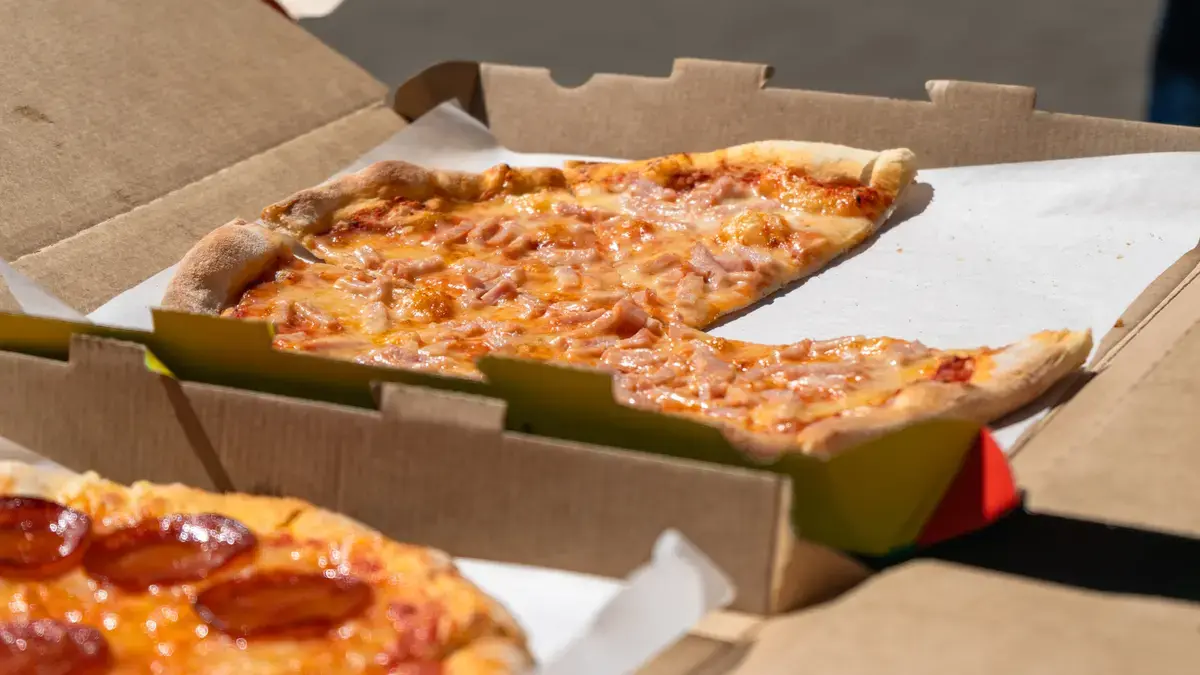
Leftover Food Safety: Overnight Risks
Can You Ever Safely Eat Leftover Food Left Out Overnight?
Food left out overnight is a common occurrence, often due to late-night gatherings or simply forgetting to store it. This can happen to anyone. The risk of foodborne illness is a concern. Food safety guidelines are often unclear.
Latest news
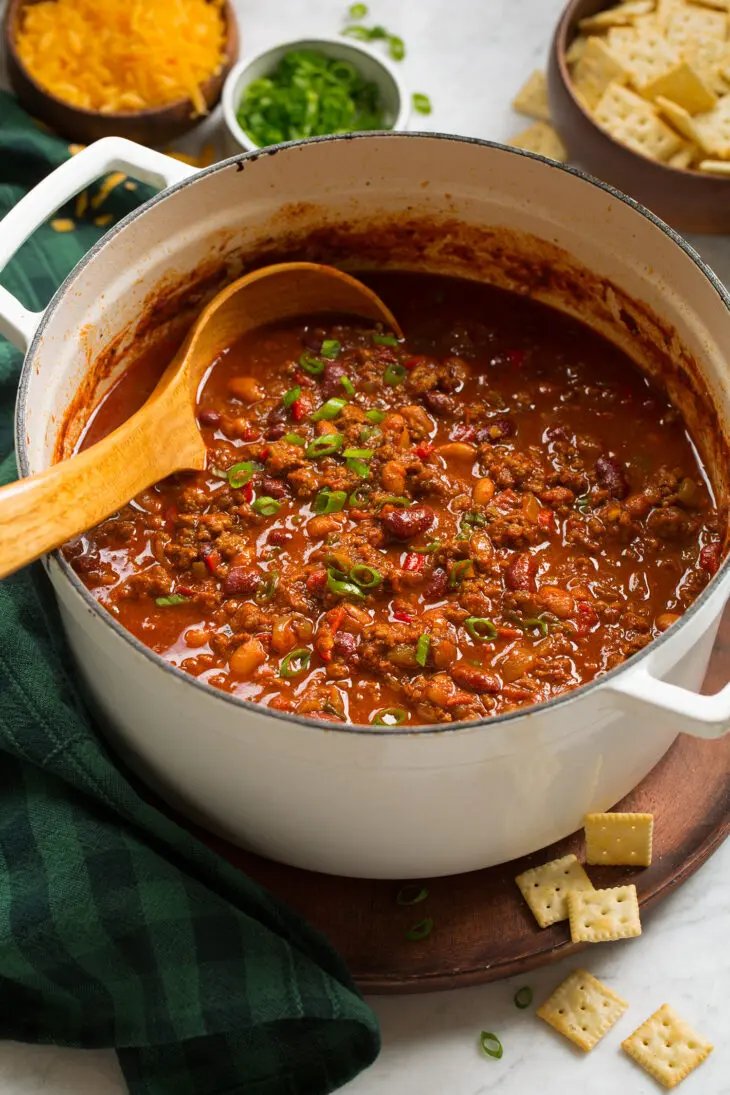 The Ultimate Homemade Chili Recipe for Cold Weather
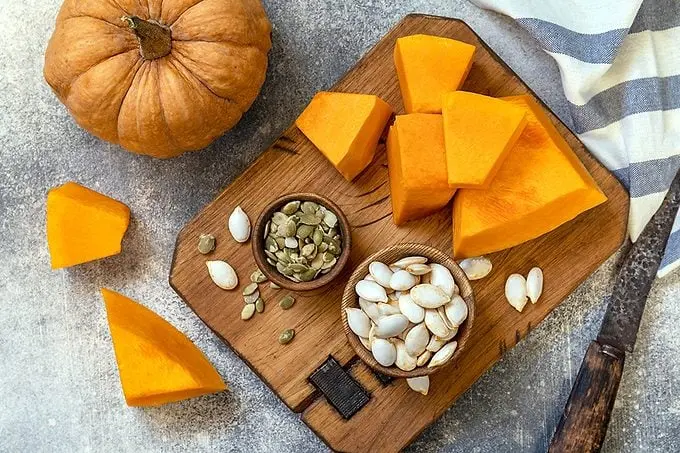 The Nutritional Power of Pumpkin Beyond Seasonal Desserts
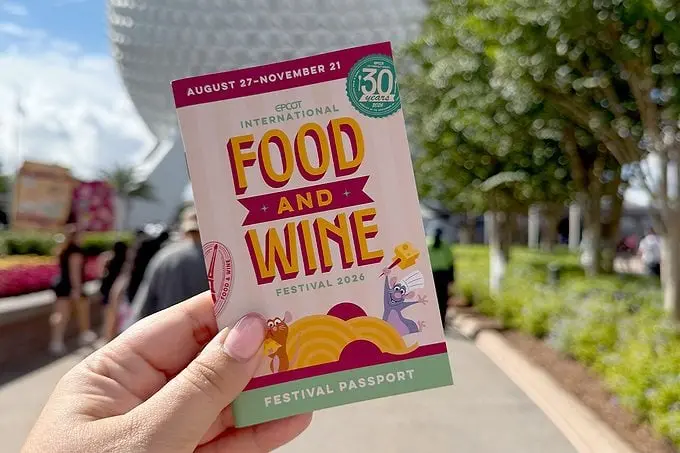 A Culinary Journey Through the 30th Epcot International Food and Wine Festival
 Burger King Unleashes Hello Kitty Kids' Meal with Ultra-Rare Golden Collectible
Leaving food out too long can lead to bacterial growth, making it potentially hazardous to eat. Perishable items like meat, dairy, and prepared foods are particularly susceptible. Bacteria multiply rapidly between 40°F and 140°F. This temperature range is often referred to as the „danger zone.” Bacterial Growth: A Rapid Process Bacteria like Staphylococcus aureus, Salmonella, and Clostridium perfringens can double in number every 20-30 minutes when food is left at room temperature. This rapid growth can lead to food poisoning. Symptoms can range from mild to severe and include nausea, vomiting, and diarrhea.
Frequently Asked Questions
The general guideline is to discard perishable food left out for more than two hours. If the environment is particularly warm, this timeframe is reduced to one hour. Even if the food looks and smells fine, it may still be contaminated.
Consuming contaminated food can have serious consequences, including food poisoning and even life-threatening conditions in vulnerable individuals. It's crucial to prioritize caution when dealing with leftover food.
Can I save food left out overnight by reheating it? Reheating food to 165°F can kill some bacteria, but it may not eliminate toxins or spores. Is it safe to eat food left out for a few hours? If the food has been out for less than two hours, it may still be safe, but it's essential to check its condition. What foods are most susceptible to bacterial growth? Perishable items like meat, dairy, and prepared foods are at the highest risk.
Content written by Lucas Carter for fancy-meals.com editorial team, AI-assisted.