Kitchen Knives and Cutting Boards: Hidden Culprits Behind Spoiled Food
The Bacteria Factor: How Cutting Boards Contribute to Food Spoilage
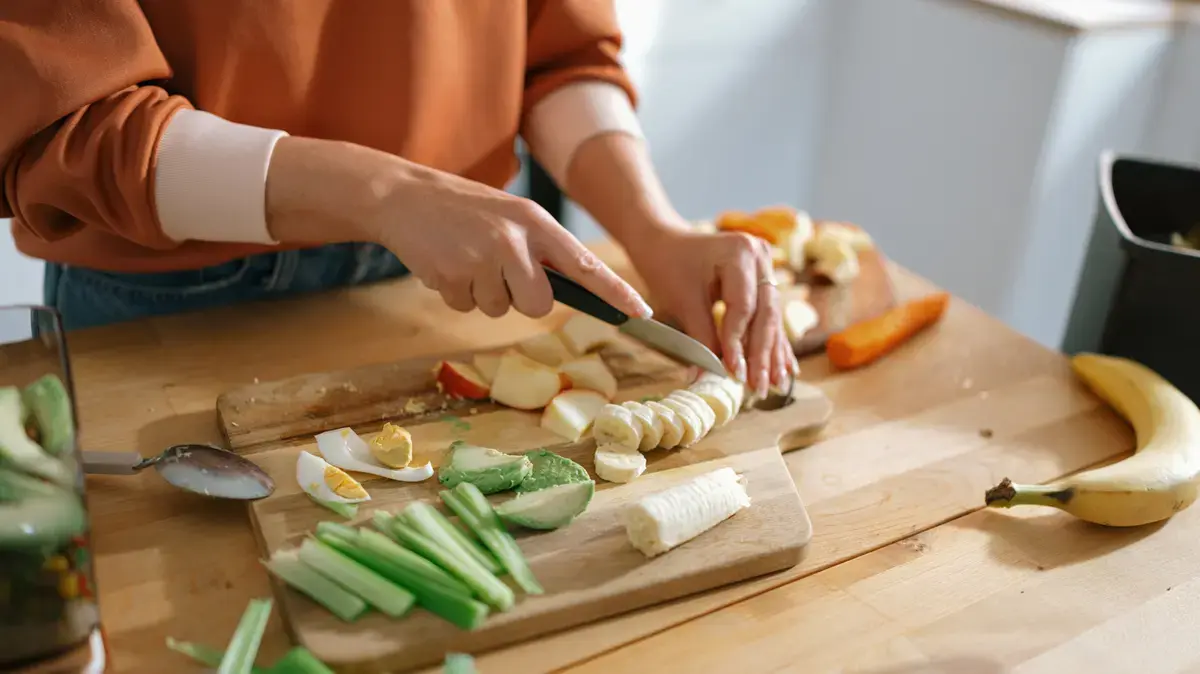
Your kitchen essentials, including knives and cutting boards, play a significant role in food preparation, but their condition can affect food freshness. Factors such as size, material, and age contribute to their effectiveness. Kitchen knives come in various styles for different uses.
Latest news
 The Ultimate Homemade Chili Recipe for Cold Weather
 The Nutritional Power of Pumpkin Beyond Seasonal Desserts
 A Culinary Journey Through the 30th Epcot International Food and Wine Festival
 Burger King Unleashes Hello Kitty Kids' Meal with Ultra-Rare Golden Collectible
The condition and maintenance of these tools can significantly impact the longevity of your food. For instance, a worn-out cutting board can harbor bacteria, which can then be transferred to food, causing it to spoil faster. Similarly, a dull kitchen knife can tear food, creating more opportunities for bacterial growth.
Cutting boards, especially those made of wood or with scratches and cuts, can provide a conducive environment for bacteria to thrive. Research has shown that bacteria such as Salmonella and E. coli can survive on cutting boards for extended periods. Regular sanitizing and maintenance are crucial to prevent bacterial growth.
Are Your Kitchen Knives a Breeding Ground for Bacteria?
Using a cutting board with visible scratches or cuts can increase the risk of cross-contamination. It's essential to regularly inspect and replace cutting boards to prevent the spread of bacteria. Kitchen knives, too, require regular maintenance to prevent them from becoming breeding grounds for bacteria.
Dull knives can cause more damage to food, creating jagged edges that provide a haven for bacteria. Sharpening knives regularly can help prevent this. Moreover, the material used to make the knife and cutting board can also impact bacterial growth.
The consequences of not maintaining kitchen knives and cutting boards can be significant, leading to food spoilage and potential health risks. Regular maintenance and inspection are crucial to prevent these issues.
Frequently Asked Questions
How often should I replace my cutting board? You should replace your cutting board when it shows signs of wear, such as deep cuts or scratches, or when it becomes difficult to clean.
Can I sanitize my kitchen knives? Yes, kitchen knives can be sanitized by washing them in hot soapy water and drying them thoroughly.
What type of cutting board is best for preventing bacterial growth? Cutting boards made from non-porous materials, such as plastic or granite, are less likely to harbor bacteria than those made from wood.
Content written by Henry Cross for fancy-meals.com editorial team, AI-assisted.