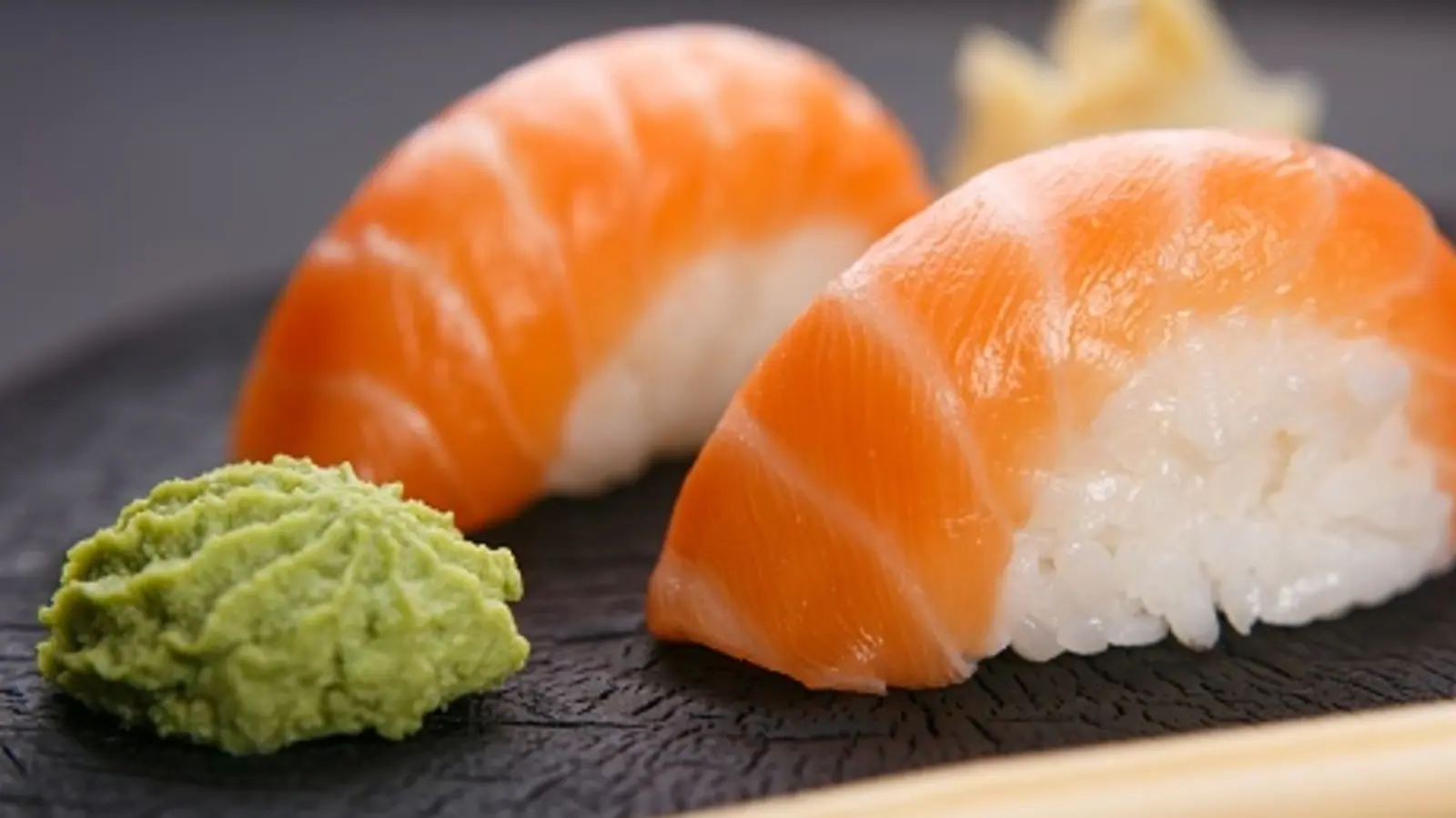
Is Real Wasabi Truly Different From the American Version?
The Flavor Gap Between Authentic and Imitation Wasabi
People who enjoy sushi often wonder if the bright green paste on their plates is genuine Japanese wasabi or a cheaper imitation. The question is common in the United States, where most restaurants use a paste that looks like wasabi but tastes quite different.
Latest news
 The Ultimate Homemade Chili Recipe for Cold Weather
 The Nutritional Power of Pumpkin Beyond Seasonal Desserts
 A Culinary Journey Through the 30th Epcot International Food and Wine Festival
 Burger King Unleashes Hello Kitty Kids' Meal with Ultra-Rare Golden Collectible
The real plant, Wasabia japonica, grows only in Japan’s cool mountain streams. It is delicate and difficult to cultivate. Because of its rarity, authentic wasabi is expensive and usually reserved for high‑end restaurants. In contrast, the „wasabi” found in most U. S. eateries is made from horseradish, mustard powder, and food coloring. It is cheap, easy to produce, and lasts longer than the real herb.
Chefs who specialize in Japanese cuisine describe real wasabi as having a subtle, sweet, and grassy flavor. It fades quickly after a few seconds, leaving a lingering freshness. Imitation wasabi, on the other hand, delivers a sharp, peppery bite that lingers. The heat is more intense and can overwhelm delicate fish. Because the real herb contains natural antioxidants and a mild aroma, it is often considered a healthier choice.
Why the U. S. Prefers the Imitation Paste
„Real wasabi is like a breath of fresh mountain air,” says a sushi chef who has worked in Tokyo for fifteen years. „The imitation paste is more like a concentrated pepper. It’s useful for quick service, but it doesn’t capture the nuance of the real thing.” The difference is not only in taste but also in texture. Fresh wasabi is slightly gritty, whereas the paste sold in supermarkets is smooth and uniform.
The United States imports only a small fraction of its wasabi supply from Japan. Growing real wasabi here is challenging because it requires a constant supply of clean, cool water and a specific soil composition. Most U. S. restaurants therefore opt for the synthetic version, which can be produced in bulk and shipped worldwide. The cost savings are significant: a kilogram of real wasabi can cost up to $200, while the imitation paste sells for a few dollars.
The imitation paste also has a longer shelf life. Real wasabi begins to lose its flavor within a few hours of being grated. Restaurants that serve it fresh must have a steady supply, which is impractical for many. The synthetic paste can be stored for months, making it convenient for high‑volume kitchens.
Will the Trend Toward Authentic Wasabi Grow?
Some specialty sushi bars are beginning to offer real wasabi, citing consumer demand for authenticity. Online retailers are also making fresh wasabi available, often shipped in refrigerated containers. However, the high price and logistical hurdles mean that the majority of diners will continue to encounter the imitation paste for the foreseeable future.
The choice between real and fake is not just about flavor; it also reflects the cultural integrity of Japanese cuisine. Chefs who prioritize authenticity often argue that using the real herb enhances the overall dining experience. As consumers become more educated, the demand for genuine wasabi may rise, but the market will likely remain split between the two options.
Frequently Asked Questions
What is the main difference between real and imitation wasabi? Real wasabi comes from the Wasabia japonica plant, grows in Japan, and has a mild, grassy taste. Imitation is made from horseradish and mustard, tastes sharp and peppery, and is cheaper.
Why is real wasabi so expensive? It is difficult to grow, requires specific water and soil conditions, and only a small amount is harvested each year. The limited supply drives up the price.
Can I get fresh wasabi at a grocery store? Most grocery stores sell the imitation paste. Fresh wasabi is available only at specialty markets or online, usually shipped in refrigerated containers.
Content written by [email protected] (Brianna Gunter) for fancy-meals.com editorial team, AI-assisted.