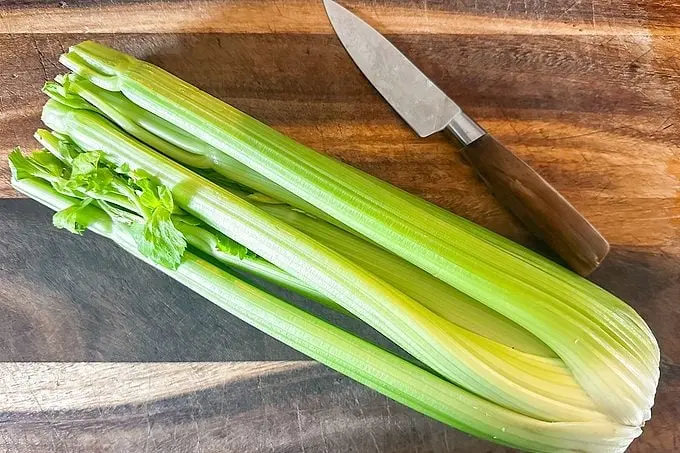
I Just Learned the Trick for Removing Celery Strings
Why I Never Noticed the Strings Before
For years, I chopped celery into soups, stews, and salads without a second thought about the tough, fibrous strings running along its stalks. It wasn’t until recently, while watching a cooking video, that I discovered these strings are not only removable but often recommended for a better texture in dishes. The realization came as a surprise, given how frequently I’ve used celery in my daily cooking without ever considering this simple prep step.
Latest news
 Prosciutto Elevates the Classic Grilled Cheese Sandwich
 Costco Frozen Shrimp Rivals Steakhouse Appetizers
 Skip Store‑Shelf German Chocolate for This Rich Duncan Hines Cake Mix
 Severed Sun: A Blood-Red Bourbon Halloween Cocktail
The strings in celery are actually collenchyma tissue, which provides structural support to the plant. While edible, they can be unpleasant to chew, especially when celery is served raw or lightly cooked. Removing them improves the eating experience, particularly in salads or as a snack with peanut butter. The trick is simple: use a vegetable peeler or paring knife to gently lift and peel away the outer layer of the stalk, revealing the tender interior beneath. This method works best on the outer curves of the stalk where the strings are most prominent.
What Happens If You Leave the Strings In?
I suspect I overlooked the strings because they soften significantly during long cooking times, such as in soups or braises, where celery is often used as an aromatic base. In those applications, the texture difference is negligible. However, when celery is the star of a dish—like in a crudité platter or a quick stir-fry—the strings become more apparent. My habit of using celery primarily in cooked dishes meant I rarely encountered the issue, making the discovery feel like a kitchen secret I’d missed all along.
Leaving the strings in isn’t harmful, but it can affect mouthfeel. Some people find them tough or stringy, which may detract from enjoyment, especially for children or those with dental sensitivities. Nutrition-wise, there’s no significant difference—celery retains its low-calorie profile, vitamin K, and antioxidants regardless. Still, for those aiming for a refined texture in raw preparations, taking an extra minute to de-string celery can elevate the dish from ordinary to pleasantly crisp.
Are celery strings digestible? Yes, the strings are made of plant fiber and are fully digestible, though they may be harder to break down for some individuals.
Frequently Asked Questions
Does removing strings reduce nutritional value? No, the strings contain minimal nutrients compared to the inner stalk, so peeling them away doesn’t meaningfully affect celery’s health benefits.
Can you remove strings after cooking? It’s much harder to remove strings once celery is cooked, as they soften and blend into the stalk. It’s best to peel them before cooking for optimal results.
Content written by Lindsay Parrill for fancy-meals.com editorial team, AI-assisted.