How to Assemble a Charcuterie Board That Impresses
Choosing the Right Ingredients for Balance
When hosting a gathering, a charcuterie board offers a quick, eye‑catching centerpiece. It can be set up in minutes and provides guests with a variety of flavors and textures. Whether you’re planning a casual brunch or a formal dinner, a well‑crafted board brings a touch of sophistication to any occasion.
Latest news
 Mastering the Art of Perfect Pie Baking
 Chocolate Peppermint Whoopie Pies: Holiday Treats Made Easy With Boxed Mix
 Ree Drummond Shares 10 Tips for the Perfect Thanksgiving Turkey
 Michigan-Style Burgers: The Creamy Spread That Changes Everything
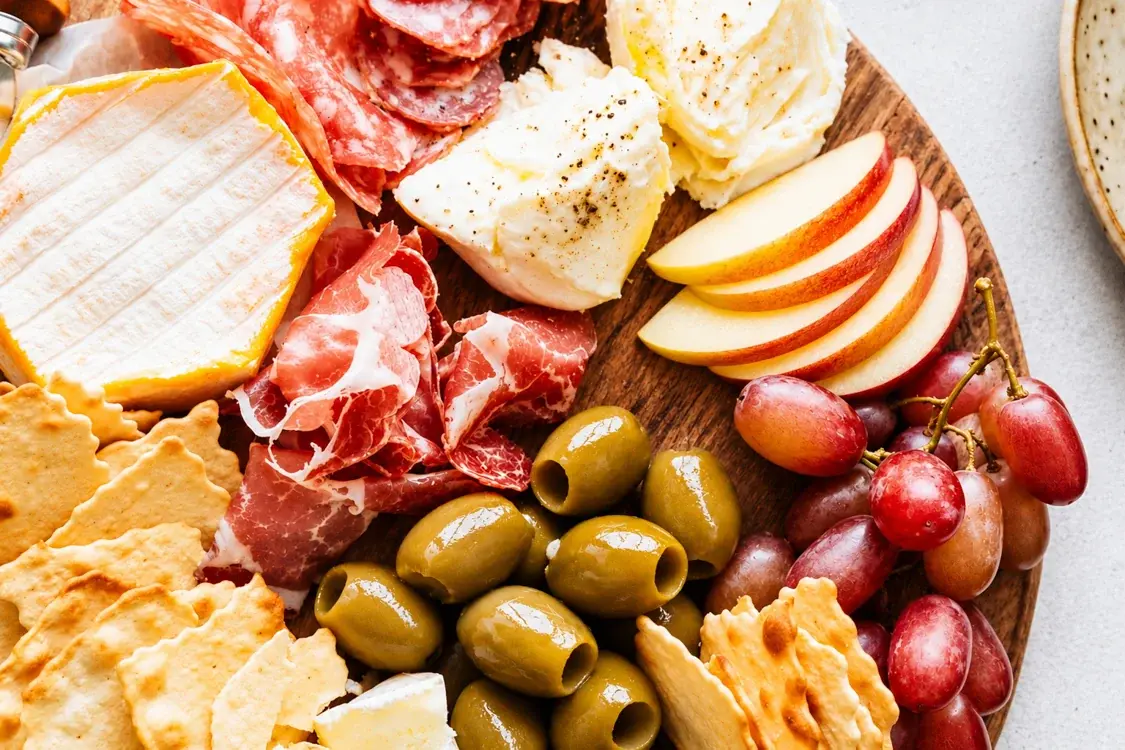
A charcuterie board is more than just a plate of meats and cheeses. It combines cured meats, artisan cheeses, fresh fruit, nuts, and accompaniments such as pickles and spreads. The key to success lies in selecting complementary ingredients, arranging them with visual balance, and ensuring everything is easily accessible to guests. A thoughtfully curated board feels abundant, even when the portions are modest.
How to Arrange for Effortless Abundance
The foundation of a standout board starts with quality meats. Opt for a mix of cured pork, such as prosciutto, and smoked beef, like salami, to provide contrasting flavors. Pair these with a selection of cheeses that vary in texture and taste—soft brie, sharp cheddar, and a creamy blue cheese create a pleasing spectrum. Fresh fruit, such as grapes or figs, adds a sweet counterpoint, while nuts and olives introduce crunch and brine. A small dish of honey or a tangy mustard offers a sweet‑spicy finish. When arranging, place items in clusters that guide the eye, using color and shape to create visual interest.
What Happens When You Overlook Portion Control?
Start by laying a wooden or slate surface as the base. Spread a thin layer of a neutral spread, like hummus or a fruit preserve, to anchor the layout. Then, arrange the cheeses in a circle, leaving space for the meats to weave around them. Position the fruit in bright clusters, and scatter nuts and olives in the gaps. Finally, add small bowls for dips and crackers. The trick is to keep the board open and airy; avoid overcrowding, which can make the display feel cluttered. A well‑balanced board invites guests to explore, encouraging them to mix and match flavors.
Frequently Asked Questions
If portions are too small, guests may feel short‑changed, especially after a long day. Conversely, overly generous portions can lead to waste and an unbalanced look. By measuring each item—roughly two ounces of cheese per person and a similar amount of cured meat—you maintain a tidy appearance while ensuring plenty of variety. Portion control also helps keep the board’s aesthetic consistent, preventing any one ingredient from dominating the visual field.
The result is a board that looks abundant yet remains practical. Guests can easily pick up a piece of cheese, a slice of meat, and a grape, creating a seamless tasting experience. A well‑executed charcuterie board not only satisfies taste buds but also enhances the social atmosphere, encouraging conversation and shared enjoyment.